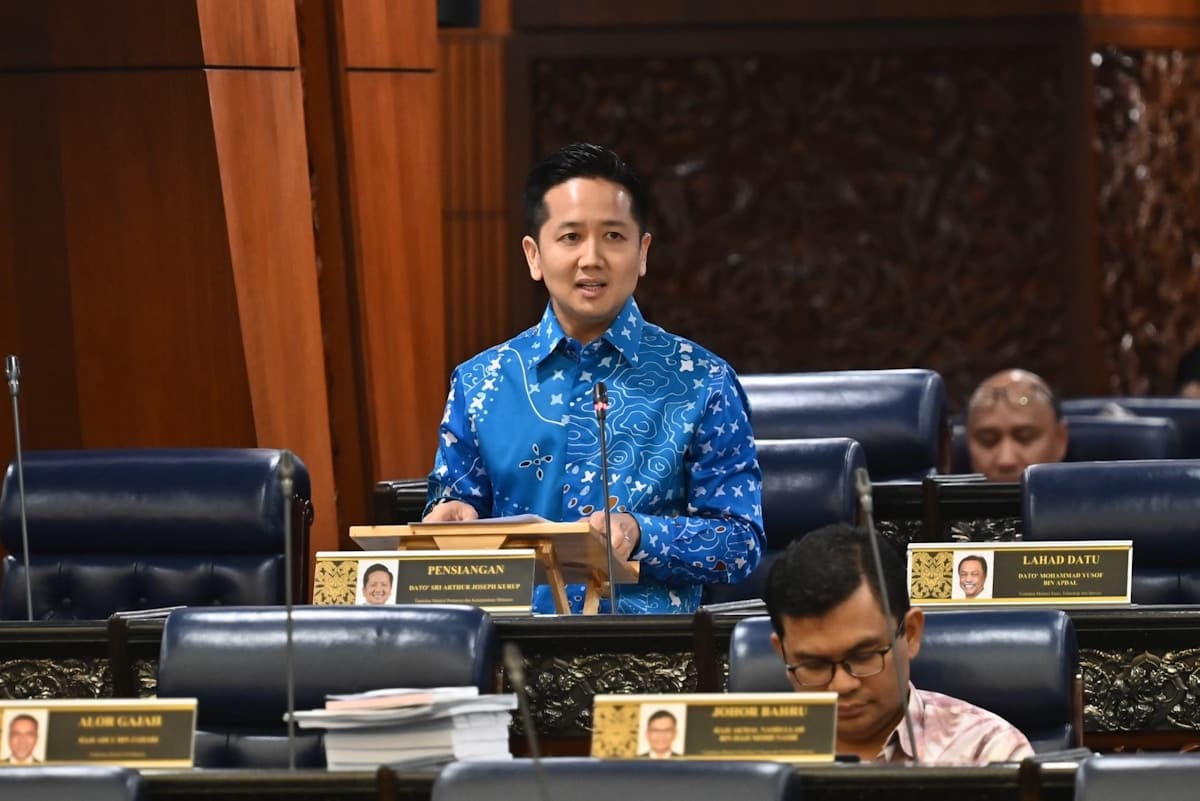
Malaysia Launches Its First Carbon Market Policy, Puts Carbon Tax on Hold
Why It Matters
By establishing a structured carbon market, Malaysia creates a new investment avenue and aligns climate action with economic goals, while the tax pause signals a cautious approach to industry costs. The policy also positions the country to tap international carbon finance under Article 6, boosting liquidity for low‑cost abatement projects.
Key Takeaways
- •Malaysia unveils National Carbon Market Policy, delaying carbon tax rollout
- •Policy targets 56 MtCO₂e abatement, 70% low‑cost solutions
- •Focus on verifying credits and operationalising Article 6.4 mechanisms
- •Petronas secures carbon‑capture projects with Japanese partners
- •MOU with Singapore paves way for cross‑border carbon credit trade
Pulse Analysis
Carbon markets have accelerated worldwide as governments seek cost‑effective ways to meet Paris Agreement pledges. Malaysia’s launch of its first National Carbon Market Policy marks a pivotal shift for Southeast Asia, signaling the country’s intent to integrate both compliance and voluntary trading mechanisms. The policy arrives amid a broader regional push, with neighboring nations like Singapore already developing credit registries. By formalising a domestic market, Malaysia aims to attract foreign capital, create price signals for emissions reductions, and lay the groundwork for participation in Article 6 transactions.
The NCMP introduces a National Marginal Abatement Cost Curve that ranks mitigation options by affordability, estimating a total abatement potential of 56 MtCO₂e, of which 70 % falls in the low‑cost tier. Priority measures include energy‑efficiency upgrades, renewable‑energy deployment, and waste‑management improvements, while higher‑cost solutions such as carbon capture, utilisation and storage (CCUS) are earmarked for international cooperation under Article 6.4, the Paris Agreement Crediting Mechanism. A key operational focus is the verification of carbon credits through robust MRV systems and a national registry, ensuring transparency and investor confidence.
Investors are likely to view the policy as a signal of regulatory certainty, especially after the government paused the carbon tax to avoid short‑term industry strain. Petronas’s carbon‑capture agreements with Japanese firms and the Malaysia‑Singapore MOU on cross‑border credits illustrate early commercial traction. However, gaps remain in how voluntary and compliance markets will interact, and the eventual re‑introduction of a carbon tax will test the balance between economic growth and climate ambition. Successful implementation could position Malaysia as a carbon‑finance hub in the ASEAN region.
Malaysia launches its first carbon market policy, puts carbon tax on hold
Comments
Want to join the conversation?
Loading comments...