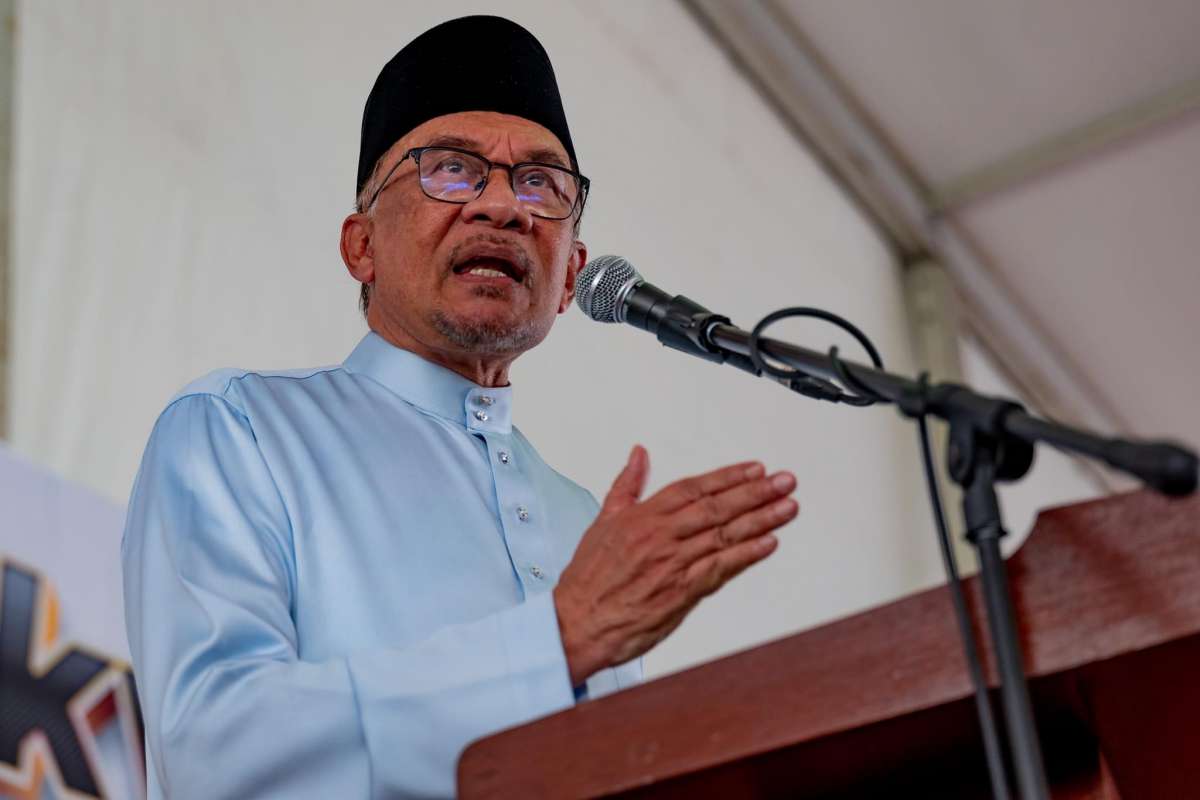
Malaysia’s Fuel Supply Secure but Finances Continue to Be Strained to Keep Budi95 at RM1.99 a Litre – Anwar
Why It Matters
The subsidy sustains some of the world’s cheapest gasoline but threatens Malaysia’s fiscal stability, forcing policymakers to balance affordable fuel with mounting budget deficits. Continued pressure could prompt reforms or price adjustments that affect consumers and the broader ASEAN energy market.
Key Takeaways
- •Malaysia keeps RON95 at RM1.99 (~$0.44) per litre despite global price spikes
- •Fuel subsidies cost about RM5 billion ($1.1 billion) monthly, straining the budget
- •Quota reduced from 300L to 200L per vehicle to curb subsidy outflow
- •Secure supply secured via imports from Iran, Russia, Turkmenistan, Uzbekistan
- •Hormuz Strait congestion adds shipping risk, raising insurance and freight costs
Pulse Analysis
Malaysia’s decision to maintain RON95 petrol at RM1.99 per litre reflects a political commitment to keep fuel affordable for motorists, positioning the country among the cheapest markets globally. The price, roughly $0.44 per litre, is anchored by a substantial subsidy program that currently runs at about RM5 billion ($1.1 billion) each month. While the low price supports consumer spending and mitigates inflationary pressures, it also consumes a sizable share of the national budget, prompting the Finance Ministry to tighten the per‑vehicle quota from 300 litres to 200 litres.
The fiscal strain is amplified by external shocks. The ongoing West Asian conflict has driven up shipping freight and marine insurance premiums, inflating the landed cost of crude and refined products. Malaysia’s reliance on imports from Iran, Russia, Turkmenistan and Uzbekistan provides a buffer against regional supply disruptions, but the congested Hormuz Strait—where narrow passages and geopolitical tensions heighten vessel safety concerns—adds another layer of cost volatility. Analysts estimate that if global oil prices were to surge further, monthly subsidy outlays could exceed RM6 billion ($1.3 billion), eroding fiscal space for other priorities.
Looking ahead, policymakers face a delicate trade‑off. Maintaining ultra‑low fuel prices may be politically advantageous, yet the long‑term sustainability of the subsidy regime is questionable. Options on the table include gradual price liberalisation, targeted assistance for low‑income households, or diversifying energy imports to reduce exposure to chokepoints like Hormuz. Any shift will reverberate across ASEAN, where Malaysia’s pricing strategy has set a benchmark for affordable fuel in a region grappling with similar supply‑chain challenges.
Malaysia’s fuel supply secure but finances continue to be strained to keep Budi95 at RM1.99 a litre – Anwar
Comments
Want to join the conversation?
Loading comments...