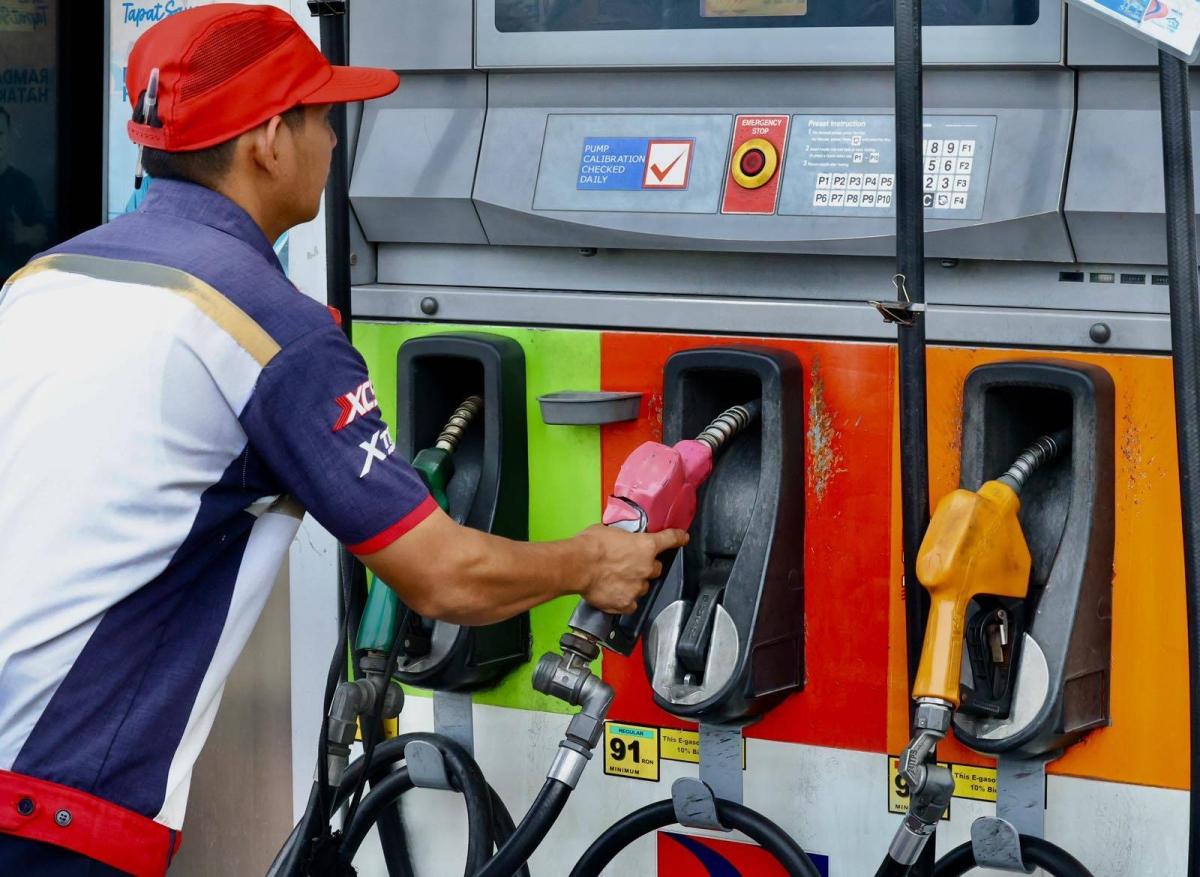
Marcos Announces Big Fuel Price Rollback
Why It Matters
Lower pump prices directly ease transportation costs for commuters and businesses, helping to curb inflationary pressure in a price‑sensitive economy. The policy also signals the Philippine government’s willingness to use emergency powers to stabilize the market amid global oil volatility.
Key Takeaways
- •Diesel price cut by at least P20 (~$0.36) per litre.
- •Gasoline down P4.43 (~$0.08), kerosene down P8.50 (~$0.15) per litre.
- •Rollback follows Executive Order 110 energy emergency declaration.
- •Government can bypass procurement delays to import petroleum.
- •UPLIFT framework guides coordinated response to fuel price shock.
Pulse Analysis
The Philippines’ latest fuel‑price rollback arrives as global crude markets remain volatile after the recent Middle‑East war involving the United States, Israel and Iran. Imported petroleum accounts for the bulk of the nation’s energy mix, so any swing in international oil prices quickly translates into higher pump costs for Filipino drivers. By slashing diesel, gasoline and kerosene rates, the Marcos administration hopes to blunt the inflationary ripple that has been eroding household purchasing power.
Under Executive Order 110, the government declared a state of energy emergency, granting it the authority to procure fuel without the usual lengthy bidding process. This legal tool, combined with the Unified Package for Livelihoods, Industry, Food, and Transport (UPLIFT), creates a coordinated response that can mobilise resources across ministries. While the immediate fiscal outlay for subsidising fuel is sizable, the approach aims to prevent deeper economic fallout, such as reduced consumer spending and higher logistics costs for businesses.
For commuters and logistics firms, the price cuts translate into tangible savings that can boost disposable income and lower freight rates. Politically, the move reinforces President Marcos Jr.’s image as a problem‑solver amid rising public discontent over living costs. Analysts caution, however, that the relief may be temporary unless structural reforms—such as diversifying energy sources or improving fuel‑efficiency standards—are pursued. The government’s hint at studying fuel‑rationing proposals suggests a willingness to explore additional demand‑side measures if market pressures persist.
Marcos announces big fuel price rollback
Comments
Want to join the conversation?
Loading comments...