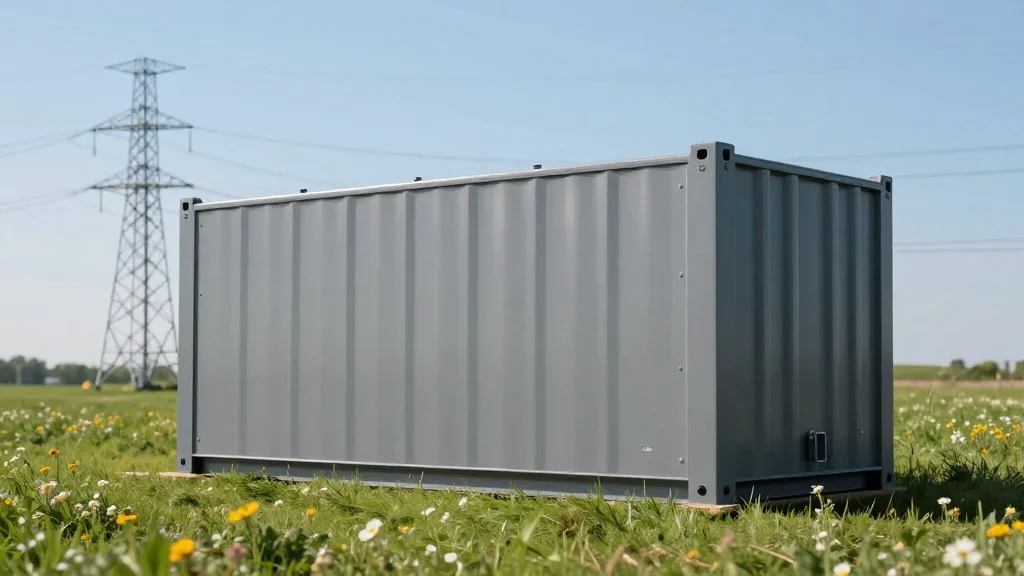
Massive Six-Hour Battery Project Seeks Federal Green Tick for Site in Victoria’s Main Coal Hub
Why It Matters
Securing EPBC approval fast‑tracks a critical storage asset that will help balance intermittent renewables on Victoria’s strained grid, signaling confidence in large‑scale battery deployment. The project also sets a precedent for openness in environmental compliance among storage developers.
Key Takeaways
- •400 MW Bunyip North battery joins federal green queue
- •Located beside Ampyr’s 750 MW Wimpole project on key transmission line
- •Construction 2027‑2029; 75 workers needed for build
- •200 m buffer protects three farm dams and Cannibal Creek
Pulse Analysis
Victoria’s energy landscape is at a crossroads, with the state’s aging coal‑dependent transmission network under pressure from both legacy generation and a surge of renewable projects. The Gippsland corridor, which carries power from the last two Latrobe Valley coal stations, is becoming a hotspot for battery storage, as regulators and market operators seek flexible resources to smooth supply‑demand mismatches. By filing its EPBC application publicly, Res Australia not only accelerates its own timeline but also highlights the increasing regulatory scrutiny that large‑scale storage now faces.
The Bunyip North battery, rated at 400 MW and 2,400 MWh, is designed to deliver six hours of continuous power, positioning it as a cornerstone for peak‑shaving and grid‑stability services. Its siting next to Ampyr’s 750 MW Wimpole project creates a potential storage hub, leveraging existing high‑capacity transmission lines while minimizing new land disturbance. Res has incorporated a 200‑metre buffer around three farm dams and Cannibal Creek, and plans exclusion fencing for vulnerable fauna such as dwarf galaxias and glossy grass skink, demonstrating a proactive ecological mitigation strategy.
The broader implication is a competitive race among 31 battery proposals vying for limited network capacity, each aiming to capture market revenue from ancillary services and future offshore wind integration. If Bunyip North proceeds on schedule, it will add a substantial firm‑capacity buffer ahead of the expected retirement of coal assets, encouraging further private investment in storage. This development signals to investors that Australia’s policy environment is maturing, offering clearer pathways for large‑scale battery projects to support the nation’s net‑zero ambitions.
Massive six-hour battery project seeks federal green tick for site in Victoria’s main coal hub
Comments
Want to join the conversation?
Loading comments...