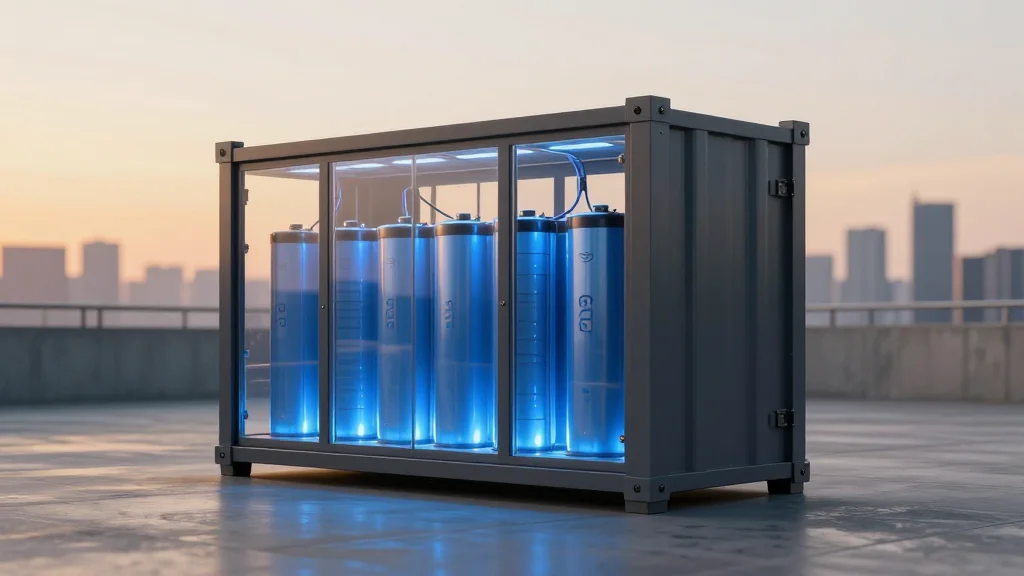
Michigan Approves 1.3 GW BESS Portfolio, Including Contested Oracle Data Center Assets
Why It Matters
The approval highlights accelerating utility‑scale storage to bolster grid reliability and meet corporate data‑center power needs, signaling regulatory willingness to back large‑scale energy deals despite political pushback.
Key Takeaways
- •MPSC approved six battery storage projects, 1.3 GW total
- •DTE Electric fulfills 1 GW state storage obligation
- •332 MW allocated for Oracle’s 1.3 GW data center
- •Attorney general’s rehearing request denied for lack of standing
- •Approval underscores rising demand for utility‑scale storage in Michigan
Pulse Analysis
The Michigan Public Services Commission’s recent green light for six battery energy storage system (BESS) projects marks a decisive step toward the state’s clean‑energy roadmap. The approved portfolio delivers 1.3 gigawatts of dispatchable power, with three DTE Electric facilities accounting for roughly 1 GW and satisfying the utility’s storage obligations under state mandates. By locking in a 20‑year tolling agreement and two self‑build contracts, the regulator is providing long‑term revenue certainty that encourages further private investment in grid‑scale storage, a critical component for integrating intermittent renewables.
The remaining 332 MW is earmarked for a massive 1.3 GW data center being built by Green Chile Ventures, an Oracle subsidiary. Corporate data centers are increasingly turning to on‑site battery storage to hedge against price volatility, ensure uninterrupted service, and meet sustainability targets. While the attorney general and activist groups challenged the contracts, the commission ruled they lacked standing, allowing the projects to proceed. This decision signals that, despite political scrutiny, regulators may prioritize economic development and technological resilience when evaluating large‑scale storage agreements.
Michigan’s approval reflects a broader national trend where utilities and tech firms are partnering to deploy utility‑scale batteries. As the U.S. grid modernizes, storage capacity is expected to double by 2030, driven by renewable integration and data‑center demand. The outcome also offers a template for other states grappling with similar petitions: clear contractual frameworks and demonstrable public benefits can outweigh procedural objections. Investors will likely view the Michigan clearance as a green light for further BESS projects, reinforcing the sector’s growth trajectory and its role in achieving carbon‑reduction goals.
Michigan approves 1.3 GW BESS portfolio, including contested Oracle data center assets
Comments
Want to join the conversation?
Loading comments...