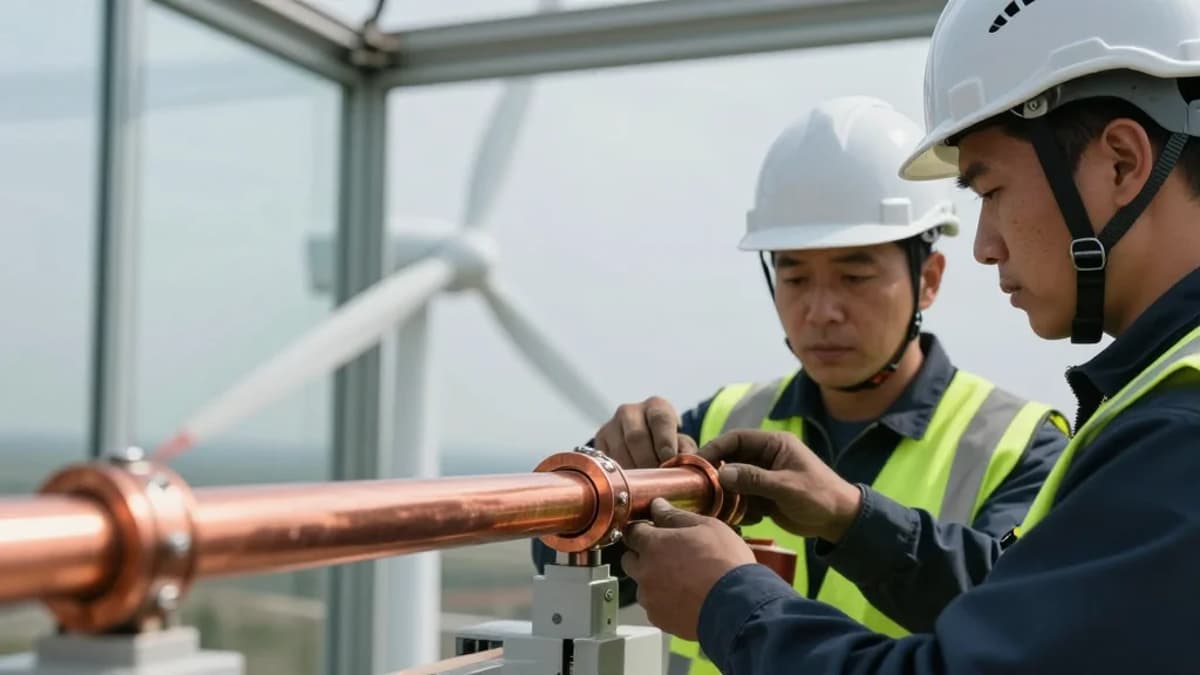
Michigan Unions Launch Coalition to Create Clean Energy Jobs
Why It Matters
Union‑led clean‑energy initiatives combine climate goals with high‑pay, secure jobs, boosting Michigan’s economic resilience and workforce competitiveness.
Key Takeaways
- •Michigan Climate Jobs coalition unites multiple trade unions
- •Focus on unionized clean‑energy projects and apprenticeships
- •Blueprint targets grid upgrades and public infrastructure decarbonization
- •Follows similar coalitions in New Jersey and Oregon
- •Aims to deliver family‑sustaining wages and safety
Pulse Analysis
The rise of union‑backed clean‑energy coalitions reflects a broader shift in how states are aligning climate ambition with workforce development. By placing organized labor at the helm, policymakers can leverage collective bargaining power to secure higher wages, robust benefits, and rigorous safety standards—attributes that have historically attracted skilled talent to infrastructure projects. This model also addresses a lingering criticism of the green transition: that it may create low‑pay, precarious jobs. When unions negotiate contracts for solar farms, wind installations, or grid upgrades, the resulting employment tends to be more stable and better compensated, fostering broader public support for renewable initiatives.
Michigan's Climate Jobs coalition builds on the Climate Jobs Institute’s Blueprint, which outlines a phased strategy for decarbonizing the state’s power grid, retrofitting public buildings, and expanding transmission capacity. The coalition’s membership spans pipe trades, electrical unions, carpenters, and engineering societies, creating a pipeline for apprenticeships that match the technical demands of modern energy systems. By integrating training programs with upcoming projects, MICJ aims to reduce skill gaps and accelerate project timelines, delivering both environmental benefits and economic stimulus in regions that have historically relied on manufacturing jobs.
Compared with the earlier coalitions in New Jersey and Oregon, Michigan’s effort benefits from a robust manufacturing legacy and a sizable skilled‑trade workforce. The state’s policy environment, including recent incentives for renewable investments, dovetails with MICJ’s objectives, potentially attracting private capital while ensuring that the jobs created remain unionized. As other states observe Michigan’s progress, the union‑centric approach could become a template for scaling clean‑energy employment nationwide, marrying climate resilience with equitable economic growth.
Michigan unions launch coalition to create clean energy jobs


Comments
Want to join the conversation?
Loading comments...