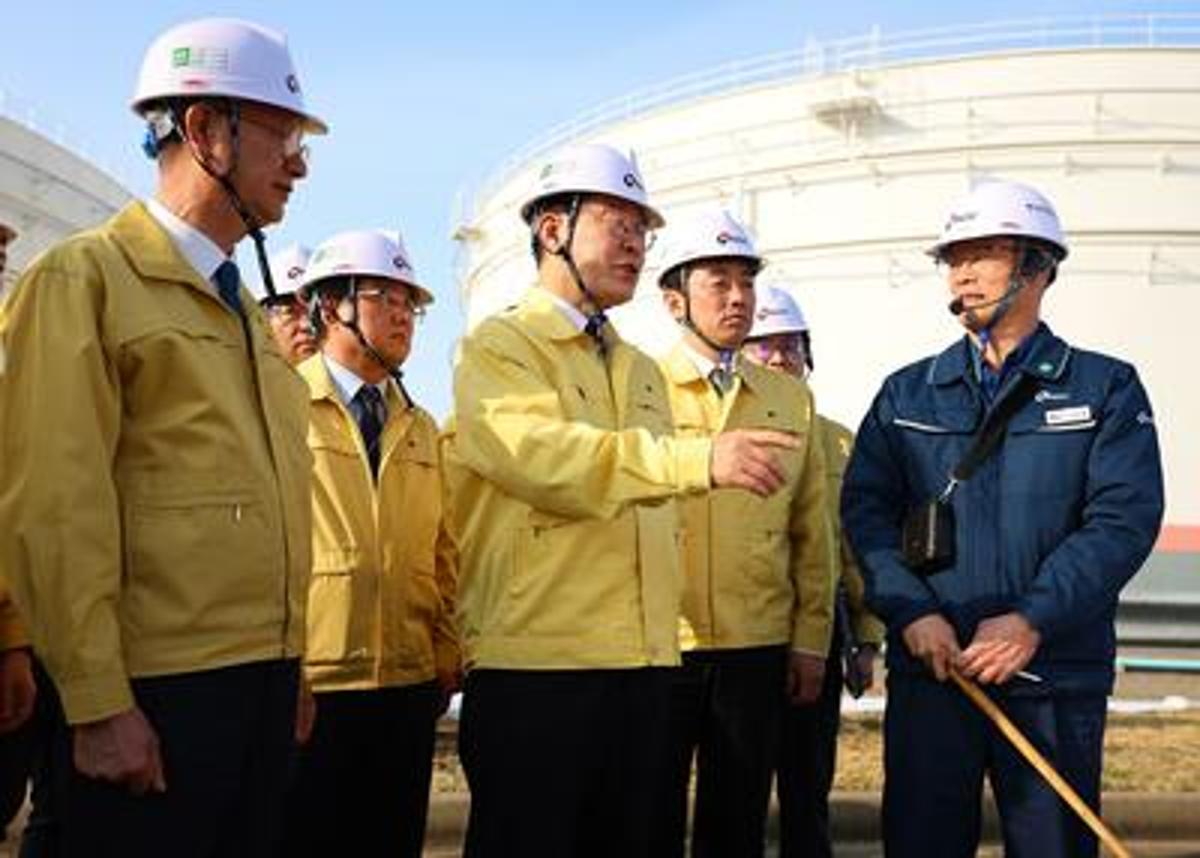
Middle East Oil Producers Eye S. Korean Reserve Bases Amid Hormuz Crisis
Companies Mentioned
Why It Matters
Storing Middle‑East crude in South Korea mitigates export bottlenecks and diversifies supply routes, strengthening both regional producers’ resilience and Seoul’s strategic leverage in global energy markets.
Key Takeaways
- •146 million barrels of underground storage available in South Korea
- •Gulf producers seek Korean bases to bypass Hormuz blockage
- •Korea earns fees and gains priority purchase rights during crises
- •Underground design offers blast protection in a major petrochemical hub
Pulse Analysis
The closure of the Strait of Hormuz after the February U.S.–Israeli strikes on Iran has forced oil‑exporting nations to rethink logistics. With export lanes choked, Saudi Arabia, Kuwait and the United Arab Emirates are scrambling for alternative storage to keep their crude market‑ready. South Korea, home to the world’s sixth‑largest strategic petroleum reserve, offers a ready‑made solution: nine underground facilities capable of holding 146 million barrels, built over five decades to insulate the nation from past oil shocks.
Beyond sheer capacity, the Korean sites provide unique security benefits. Their subterranean construction shields oil from potential attacks, a critical factor in Asia’s dense petrochemical corridor that includes Saudi‑backed S‑Oil and Chevron‑linked GS Caltex. The government can monetize the service through storage fees while retaining priority purchase rights, effectively turning the reserves into a diplomatic asset. Existing agreements, such as the joint stockpiling deal with Abu Dhabi National Oil Co., illustrate how Seoul can convert infrastructure into revenue and geopolitical influence.
Looking ahead, the trend underscores a broader shift toward diversified energy‑security strategies. As Middle‑East producers confront limited domestic storage and volatile shipping routes, they are likely to deepen ties with non‑regional hubs like South Korea. For Seoul, the influx of foreign crude could boost the Korea National Oil Corporation’s earnings and reinforce its role as a critical node in global oil supply chains, while also providing a buffer against future geopolitical disruptions.
Middle East oil producers eye S. Korean reserve bases amid Hormuz crisis
Comments
Want to join the conversation?
Loading comments...