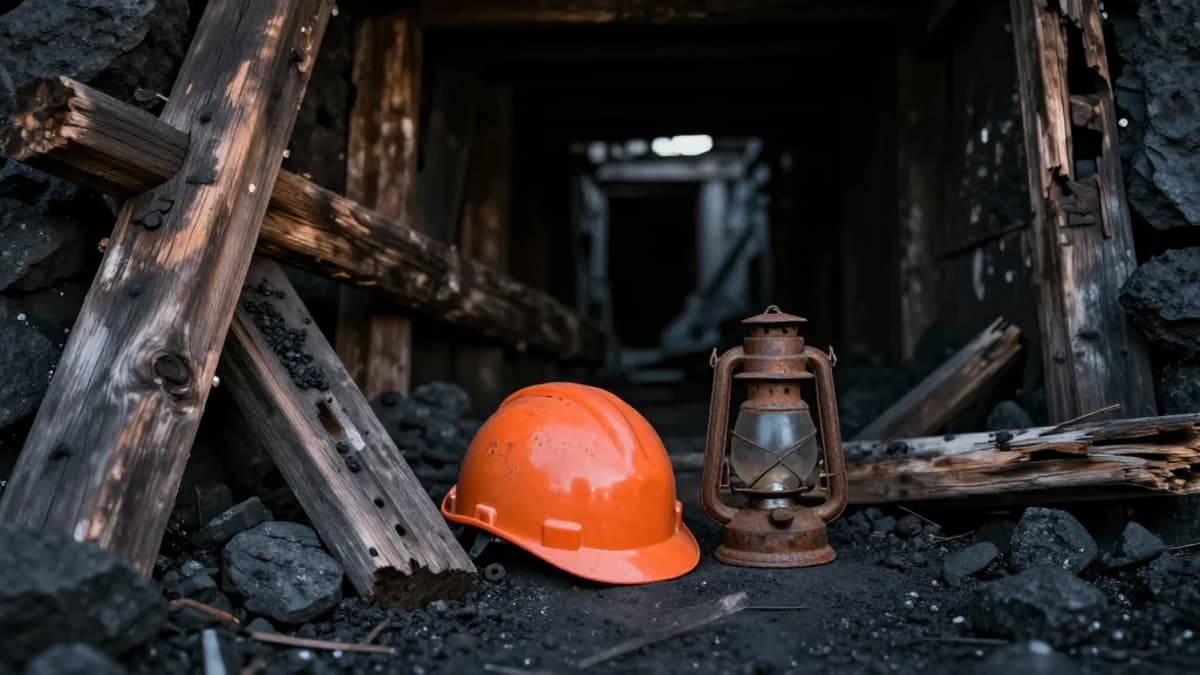
Miners' Death in Meghalaya's Illegal Coal Mine: NGT Issues Notice to Chief Secretary, Others
Why It Matters
The tragedy exposes enforcement gaps in India’s environmental and labor regulations, raising concerns for worker safety and the credibility of mining governance.
Key Takeaways
- •18 miners died in illegal Meghalaya coal mine explosion
- •NGT issued notice to state chief secretary and agencies
- •Ban on coal mining since 2014 remains widely ignored
- •Illegal operators allegedly backed by politicians and influencers
- •Tribunal demands affidavit responses by May 19
Pulse Analysis
India’s northeast has long grappled with informal coal extraction, but the recent explosion in Meghalaya’s East Jaintia Hills brings the issue into stark focus. While the National Green Tribunal imposed a blanket ban on mining and coal transport in 2014, enforcement has been uneven, allowing clandestine rat‑hole operations to persist. These mines, often situated in ecologically sensitive zones, bypass safety protocols and environmental safeguards, creating a volatile mix of illegal activity and ecological degradation. The NGT’s suo‑motu intervention signals a renewed willingness to confront these entrenched violations.
The human cost of lax oversight became painfully evident as 18 miners lost their lives, underscoring the urgent need for stricter compliance mechanisms. Activists allege that local politicians and influential figures shield illegal operators, complicating enforcement efforts. By summoning senior state officials and central agencies to respond, the tribunal is not only seeking accountability but also testing the resolve of regulatory bodies like the Central Pollution Control Board. The demand for affidavits by May 19 sets a procedural deadline that could pressure authorities to audit existing permits, suspend illicit sites, and reinforce the 2014 ban.
Beyond immediate safety concerns, the incident reverberates across India’s broader mining sector. Investors and multinational firms monitor regulatory stability; persistent non‑compliance can erode confidence and deter capital inflows. Moreover, the environmental ramifications—air and water pollution, deforestation, and habitat loss—conflict with the nation’s climate commitments. Strengthening inter‑agency coordination, enhancing whistle‑blower protections, and leveraging satellite monitoring could close enforcement gaps. As the NGT proceeds, its actions may set a precedent for more proactive environmental governance, balancing resource extraction with sustainable development goals.
Miners' death in Meghalaya's illegal coal mine: NGT issues notice to chief secretary, others


Comments
Want to join the conversation?
Loading comments...