Minnesota Got One Thing Right on Distributed Storage — but It Missed the Bigger Opportunity
Why It Matters
The decision validates distributed storage as a grid asset but risks slowing market‑driven scale‑up, leaving ratepayers to fund a modest pilot while the country needs gigawatts of capacity urgently.
Key Takeaways
- •200 MW pilot approved with $430 M ratepayer funding
- •Utility‑owned model limits competition and private‑capital participation
- •Nationwide storage needs projected at 100 GW by 2030
- •Private developers have built >10 GW community solar, 8 GW in pipeline
Pulse Analysis
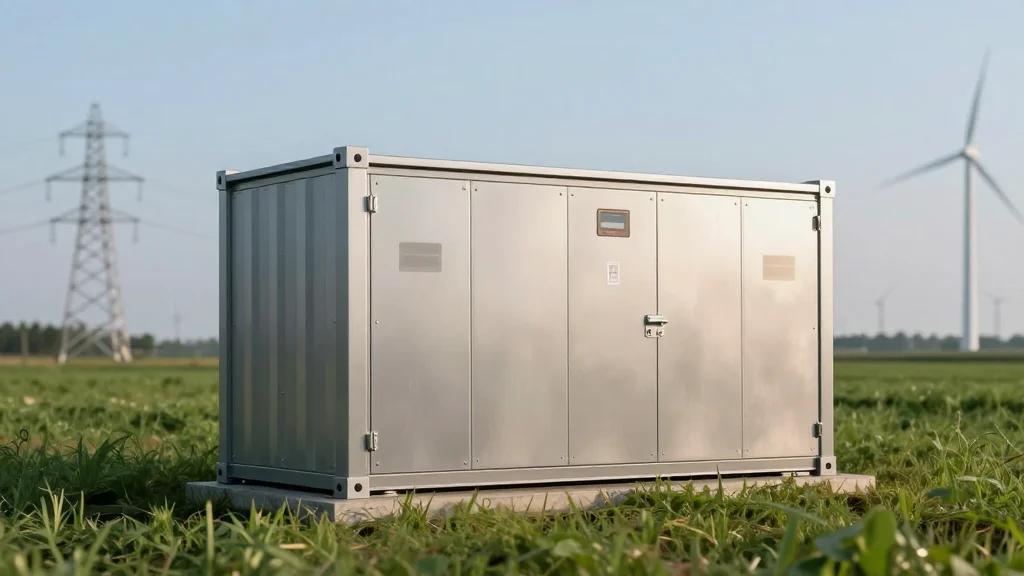
The Capacity*Connect approval signals a turning point for utilities that have long favored centralized generation. By placing 200 MW of front‑of‑meter batteries on its distribution network, Xcel Energy demonstrates that regulators now recognize distributed storage as a legitimate tool for resource adequacy and resilience. This shift aligns with Department of Energy forecasts that virtual power plants could deliver 80‑160 GW by 2030, underscoring the strategic importance of pilot projects that generate performance data and inform future policy.
Despite the symbolic win, the program’s modest size and utility‑centric structure raise concerns. A $430 million ratepayer‑funded budget for a single, untested service provider limits the speed and cost‑effectiveness of deployment. Meanwhile, the private sector has already installed gigawatts of battery storage and is developing an additional 8 GW of community‑scale projects nationwide. By monopolizing the pilot, Minnesota risks missing the economies of scale and innovation that competitive markets provide, especially as load growth forecasts surge fivefold across the country.
Industry experts argue that the next phase must pivot to competitively procured, third‑party owned projects. Open‑market models enable private capital to bear financial risk, drive down costs, and accelerate the rollout needed to meet the 100‑GW capacity challenge. As other states experiment with 1‑20 MW solar‑plus‑storage schemes, Minnesota can leverage those lessons to redesign Capacity*Connect or launch new programs that blend utility oversight with market discipline, ensuring ratepayers reap the benefits of faster, cheaper distributed energy solutions.
Minnesota got one thing right on distributed storage — but it missed the bigger opportunity
Comments
Want to join the conversation?
Loading comments...