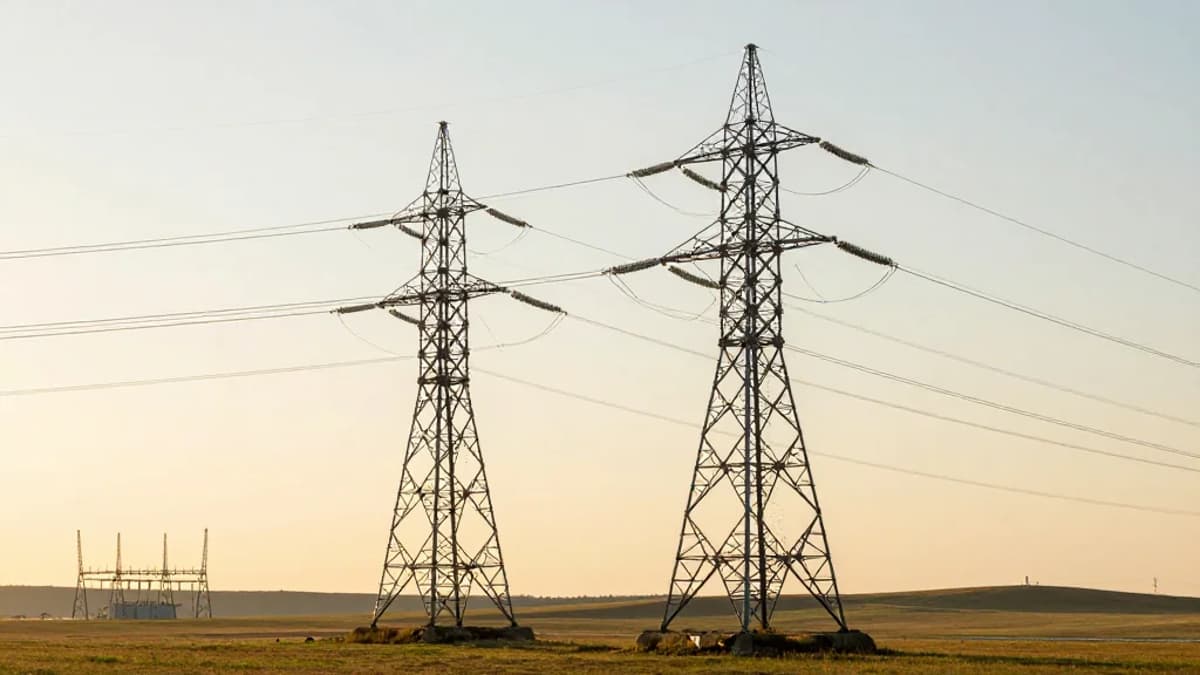
MISO, SPP Eye 500-kV Cross-Border Projects to Bolster Reliability, Save Money
•March 9, 2026
0
Why It Matters
By adding up to 4.5 GW of cross‑border transfer capacity, the projects improve grid resilience, enable more renewable power, and can lower electricity prices for millions of customers.
Key Takeaways
- •Core cost $1.3 B; Core+ $3.6 B.
- •Core+ adds 3.4 GW MISO, 1.1 GW SPP.
- •Core adds 2.6 GW MISO, 1.5 GW SPP.
- •Projects target Arkansas, Louisiana, Oklahoma, Texas.
- •FERC filing expected second half 2026.
Pulse Analysis
The Midcontinent Independent System Operator (MISO) and the Southwest Power Pool (SPP) are at a pivotal moment in U.S. interregional grid planning. As wind and solar resources expand across the central and southern plains, existing transmission corridors face growing congestion and reliability stress. High‑voltage 500‑kV lines have proven effective at moving large volumes of power over long distances, and both RTOs have identified a “southern seam” where additional capacity could unlock renewable generation, reduce curtailment, and lower wholesale price volatility for utilities and end‑users alike.
The Coordinated System Plan study proposes two option sets. The Core bundle, priced at roughly $1.3 billion, would boost MISO’s import capability by 2.6 GW and SPP’s by 1.5 GW, focusing on the most cost‑effective routes across Arkansas, Louisiana, Oklahoma and Texas. The more ambitious Core+ package, at an estimated $3.6 billion, adds a further 0.8 GW of MISO imports and delivers the deepest congestion relief by addressing additional tie‑line constraints. Both options rely on 500‑kV corridors that can be expanded as load growth accelerates.
Stakeholder comments are now open, and the operators anticipate filing tariff enhancements with the Federal Energy Regulatory Commission in the second half of 2026. Approval by the SPP Markets and Operations Policy Committee, MISO Planning Advisory Committee, and their respective boards could come by year‑end or early 2027. If enacted, the projects are projected to save consumers billions over the next decade by lowering transmission costs, improving market efficiency, and facilitating up to 4.5 GW of new renewable interconnections. The outcome will set a benchmark for future interregional collaborations across the U.S. power grid.
MISO, SPP eye 500-kV cross-border projects to bolster reliability, save money
0
Comments
Want to join the conversation?
Loading comments...