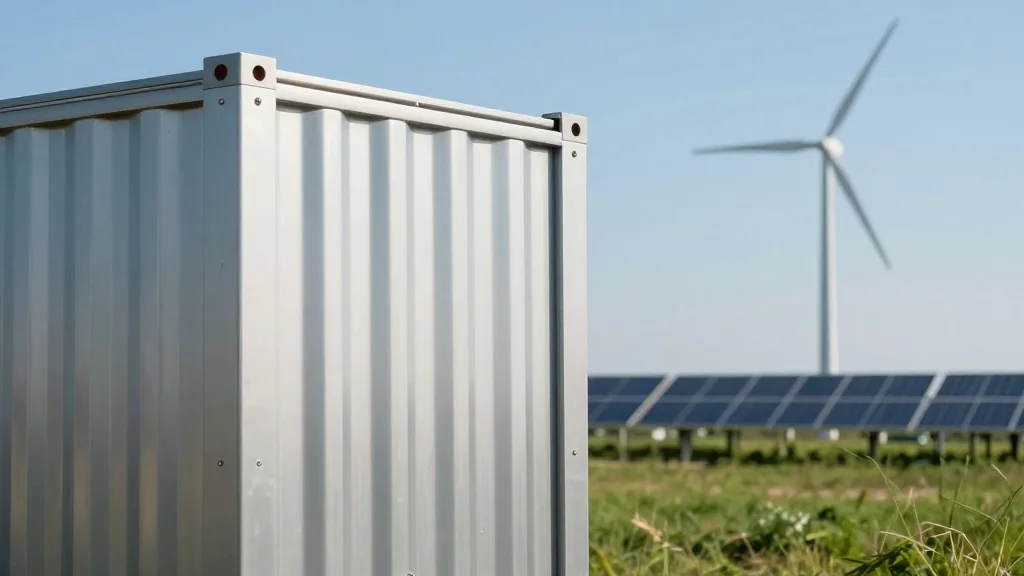
Momentum Behind Battery Storage Powering CIP Into New Markets
Companies Mentioned
Why It Matters
CIP’s expansion accelerates capital deployment into grid‑scale storage, a critical enabler for renewable integration and grid resilience worldwide. The strategy signals strong investor confidence in battery storage as a core component of the clean‑energy transition.
Key Takeaways
- •CIP launches battery storage projects in US, Germany, Australia
- •Targeting 1.2 GW new capacity by 2028
- •Funding includes $500 million green bond issuance
- •Supports Europe’s 2030 clean‑energy and grid‑stability goals
Pulse Analysis
Battery storage has moved from niche applications to a mainstream solution for balancing intermittent renewable generation. Global installed storage capacity is projected to exceed 500 GW by 2030, driven by falling lithium‑ion costs and supportive policies. Investors are scrambling to secure positions in this fast‑growing market, and Copenhagen Infrastructure Partners, a specialist in renewable infrastructure, is capitalising on the momentum.
CIP’s latest rollout spans three new regions: a 400 MW lithium‑ion farm in Texas, a 350 MW hybrid solar‑storage hub in Bavaria, and a 450 MW pumped‑hydro conversion project in New South Wales. Combined, these assets add roughly 1.2 GW of dispatchable power, complementing the firm’s existing 2 GW portfolio in the UK. The projects are financed through a $500 million green bond, co‑invested by sovereign wealth funds and pension managers seeking ESG‑aligned returns. By diversifying across continents, CIP mitigates regulatory risk while tapping into distinct market incentives, such as the U.S. Investment Tax Credit and Australia’s Renewable Energy Target.
The expansion underscores a broader industry shift: utilities and independent power producers are increasingly relying on large‑scale batteries to defer transmission upgrades, provide frequency regulation, and enable firm‑capacity contracts. For capital markets, CIP’s move validates battery storage as a mature asset class capable of delivering predictable cash flows. As policy frameworks tighten carbon caps and grid operators mandate higher renewable penetrations, demand for flexible storage solutions will intensify, creating a virtuous cycle of investment, technology improvement, and cost reductions. Stakeholders watching the sector should anticipate further consolidation and innovative financing structures aimed at unlocking the full value of storage assets.
Momentum behind battery storage powering CIP into new markets
Comments
Want to join the conversation?
Loading comments...