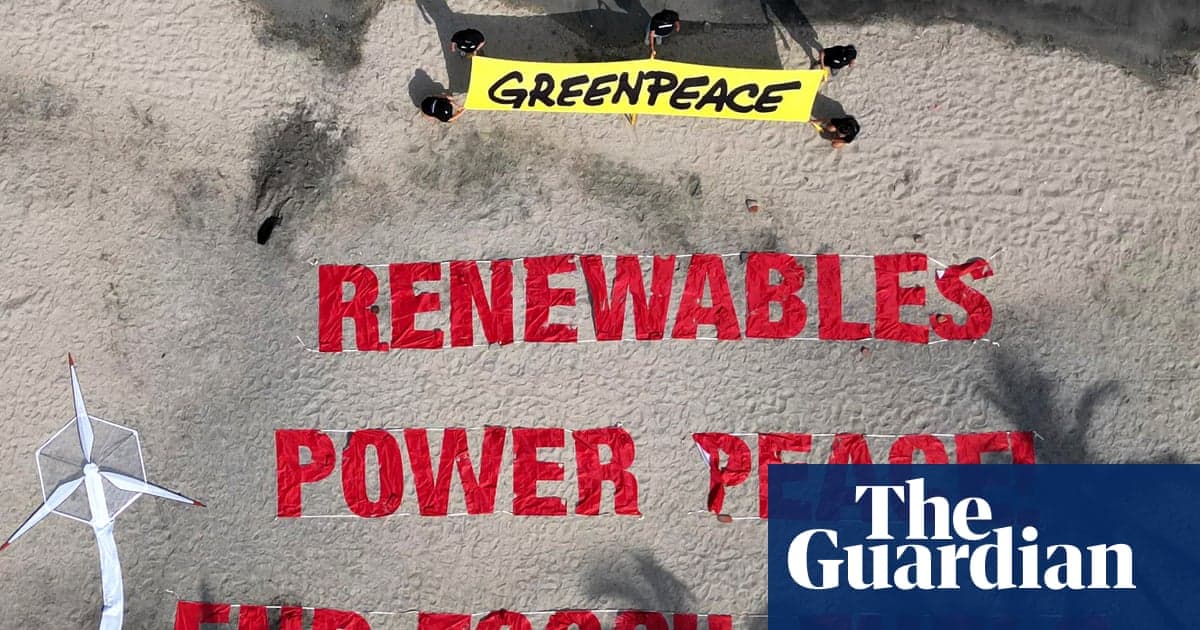
Monday Briefing: Will a New Alliance of Nations Be Able to Guide the World Towards a Post-Fossil Fuel Future?
Why It Matters
Coordinated roadmaps could accelerate decarbonization, stabilizing economies while meeting climate targets and reducing reliance on geopolitically volatile oil supplies.
Key Takeaways
- •60 nations gathered in Santa Marta to draft fossil‑free roadmaps.
- •Oil prices hit post‑Ukraine highs after Trump warned of Iranian blockade.
- •Coalition aims to break energy‑price recession cycle through coordinated transition.
- •Canada becomes first non‑European nation at European Political Community summit.
- •AI facial‑recognition oversight lags behind rapid technology growth.
Pulse Analysis
The latest spike in crude prices reflects a volatile mix of geopolitical risk and policy uncertainty. Trump’s warning about an Iranian port blockade pushed oil to levels not seen since the early days of Russia’s invasion of Ukraine, stoking concerns that higher energy costs could throttle global growth. Analysts warn that prolonged price pressure could force central banks into tighter cycles, while emerging markets face balance‑of‑payments stress, highlighting the urgency of diversifying energy sources.
Against this backdrop, the Santa Marta gathering represents a bold diplomatic experiment. By bringing together roughly 60 nations—from traditional oil exporters to net importers—the conference seeks to forge shared roadmaps that align national energy strategies with net‑zero ambitions. The inclusion of Canada, the first non‑European participant in the European Political Community summit, signals a willingness to bridge regional divides and create a truly global coalition. Such multilateral coordination could streamline standards, unlock cross‑border financing, and reduce policy fragmentation that has historically slowed the clean‑energy transition.
Yet the alliance faces formidable hurdles. Developing credible roadmaps requires massive capital investment, technology transfer, and regulatory reform, all while navigating domestic political resistance and entrenched fossil‑fuel interests. Success will depend on the coalition’s ability to marshal private‑sector finance, leverage emerging technologies like green hydrogen, and embed climate resilience into economic planning. If it can deliver, the partnership could not only dampen oil‑price shocks but also accelerate progress toward the Paris Agreement goals, reshaping the global energy landscape for decades to come.
Monday briefing: Will a new alliance of nations be able to guide the world towards a post-fossil fuel future?
Comments
Want to join the conversation?
Loading comments...