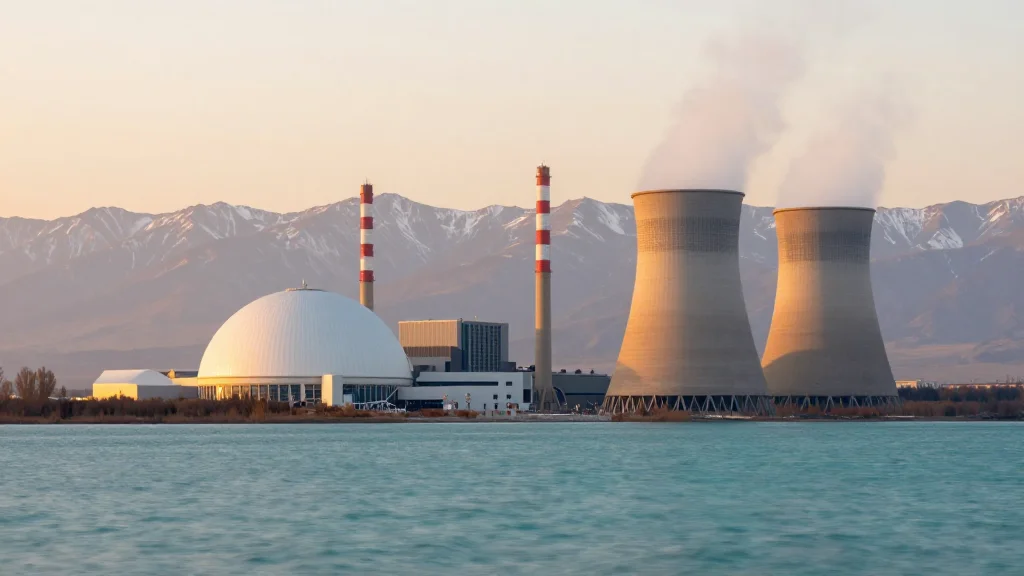
More Delays for Kazakhstan’s First Nuclear Power Plant
Why It Matters
The postponement slows Kazakhstan’s transition to low‑carbon energy and deepens its reliance on a sanctioned Russian partner, raising geopolitical and energy‑security risks for the region.
Key Takeaways
- •Rosatom requests at least one year site observation before construction.
- •Western sanctions limit Rosatom’s ability to finance the $15 bn project.
- •Kazakhstan seeks full control over the nuclear fuel cycle despite Russian involvement.
- •Russia to fund roughly 85% of plant; deal still pending.
- •Delays push back Kazakhstan’s timeline for replacing aging coal power.
Pulse Analysis
Kazakhstan’s ambition to diversify its energy mix hinges on the Lake Balkhash nuclear plant, the nation’s first foray into civilian nuclear power. The site, chosen after extensive geological surveys, promises to replace the 1937‑era coal station that still supplies a significant share of regional electricity. Partnering with Russia’s state‑run Rosatom was seen as a shortcut to expertise and financing, but the geopolitical fallout from Western sanctions on Moscow has introduced a new layer of uncertainty, forcing both parties to reassess timelines and funding structures.
The original financing blueprint called for Russia to shoulder roughly 85% of the $15 billion cost, with Kazakhstan covering the remainder. Sanctions have curtailed Rosatom’s access to international capital markets, leaving the Russian entity scrambling for alternative funding sources. As a result, the formal financing agreement remains unsigned, and Rosatom’s request for a year‑long observation period adds further delay. Analysts warn that the postponement could push the plant’s operational date well beyond the 2030 target, compelling Kazakhstan to continue relying on coal and gas while seeking other renewable options to meet its climate commitments.
Beyond financing, the strategic tug‑of‑war over the nuclear fuel cycle underscores deeper geopolitical stakes. Kazakhstan sits atop the world’s fifth‑largest uranium reserves and aims to retain full control over fuel fabrication and waste management, a domain traditionally dominated by Rosatom in its overseas projects. Securing autonomy would not only safeguard national security but also position Kazakhstan as a potential hub for the global nuclear fuel market. However, achieving this balance will require delicate negotiations with Russia, possible diversification of suppliers, and a clear policy framework that aligns with both domestic energy goals and international non‑proliferation standards.
More delays for Kazakhstan’s first nuclear power plant
Comments
Want to join the conversation?
Loading comments...