“More Gas Will Cook Our Planet:” Protestors Disrupt Oil and Gas Giant AGM as New CEO Lands $17m Package
Why It Matters
The clash underscores growing investor and public pressure on fossil‑fuel majors to justify high executive pay and expansion plans amid climate urgency, while shaping policy debates on taxation and the role of LNG in Australia’s energy transition.
Key Takeaways
- •Activists disrupted Woodside AGM, highlighting climate concerns over gas projects
- •Shareholders rejected 34.5% of the new CEO's bonus structure
- •Westcott's total possible remuneration tops $17 million AUD (~$11 million USD)
- •Woodside argues LNG cuts emissions, but critics say it displaces renewables
Pulse Analysis
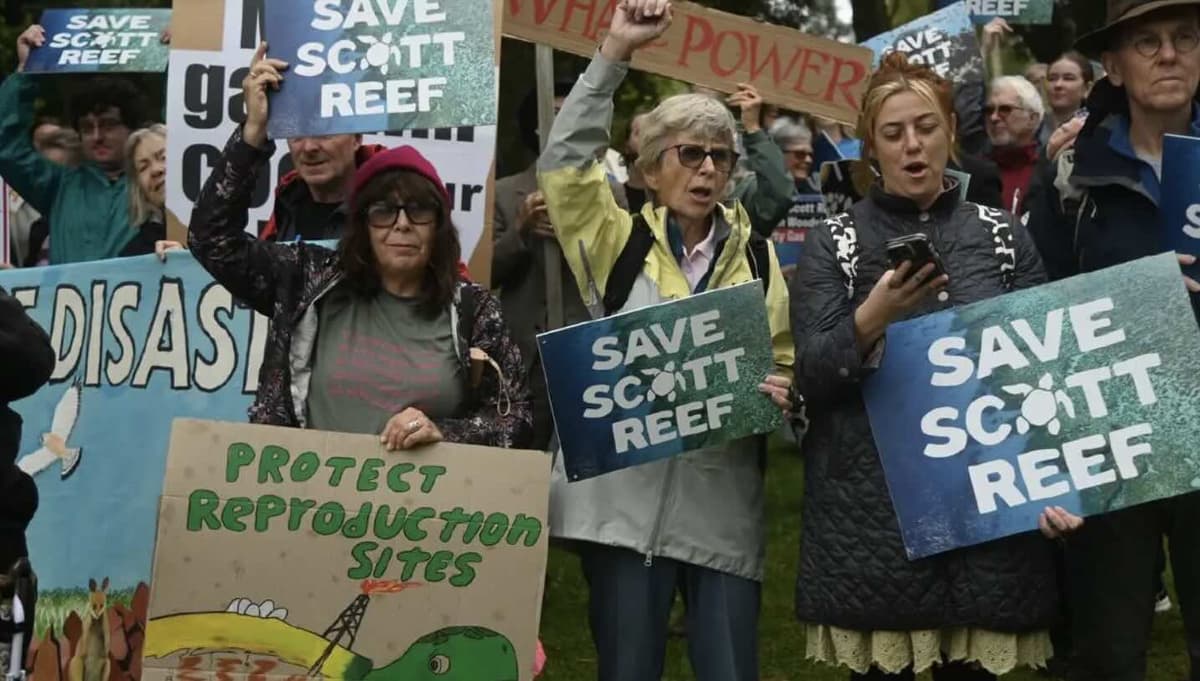
The Woodside Energy AGM became a flashpoint for climate activism, with a group of protesters shouting that more gas will "cook our planet" while brandishing signs about reef protection. Their presence reflects a broader shift in shareholder activism, where environmental concerns are no longer peripheral but are directly challenging boardroom decisions. By confronting the company’s leadership at a high‑visibility event, the activists forced a public dialogue about the sustainability of large‑scale LNG projects and the social license required to pursue them.
At the same time, the meeting highlighted internal tensions over executive compensation. Liz Westcott, Woodside's newly appointed chief executive, faces a remuneration package that could exceed $17 million AUD (about $11 million USD) if performance targets are met. Although the board secured approval for the agenda, a sizable 34.5% of shareholders voted against the bonus structure, signalling unease about rewarding leadership amid climate scrutiny. Westcott countered by emphasizing the company's tax contributions—$2 billion AUD (≈$1.3 billion USD) in 2025, a 44% effective rate—and positioning LNG as a bridge fuel that can halve emissions by displacing coal in Asian markets.
The debate over Woodside's Browse gas project, valued at roughly $24 billion USD, brings Australian policy into focus. A proposed 25% export tax could render the venture financially untenable, raising questions about how governments balance revenue needs with climate commitments. Moreover, the contention that LNG supports decarbonisation is increasingly contested by environmental groups who argue that it merely postpones the transition to renewables. As investors, regulators, and the public scrutinize these dynamics, Woodside's strategic choices will likely influence the trajectory of Australia's energy mix and its ability to meet net‑zero targets.
“More gas will cook our planet:” Protestors disrupt oil and gas giant AGM as new CEO lands $17m package
Comments
Want to join the conversation?
Loading comments...