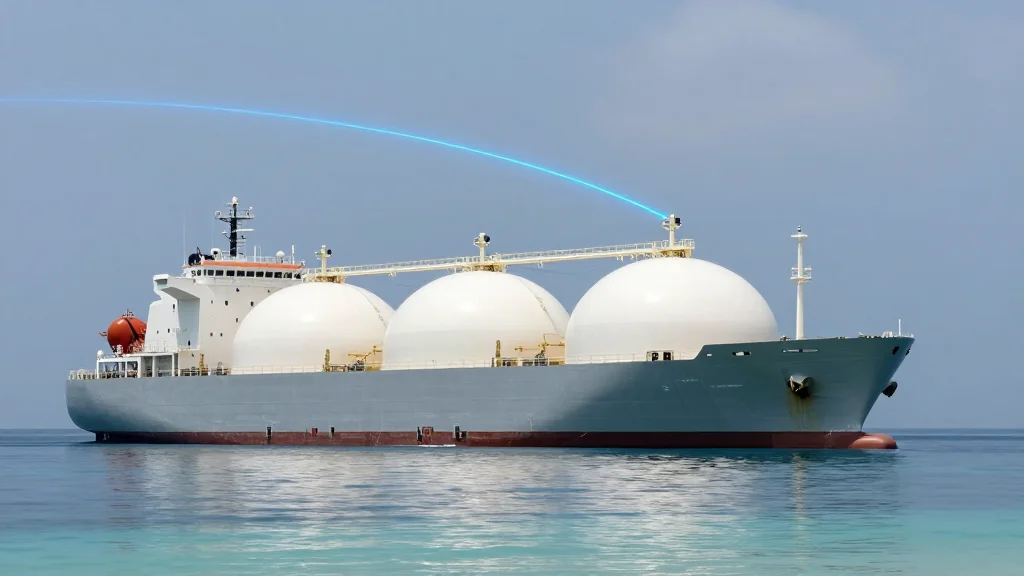
More Non-US LNG Could Soon Be Flowing Into Atlantic Basin
Why It Matters
The added supply diversifies the Atlantic basin’s gas sources, reducing reliance on Russian and U.S. pipelines. It also creates new revenue streams for Caribbean exporters and may lower LNG prices for import‑dependent markets.
Key Takeaways
- •Venezuela's gas output outlook improves markedly in 2024.
- •Trinidad & Tobago plan to boost LNG exports by late 2020s.
- •Increased non‑US LNG will diversify Atlantic basin supply.
- •New projects could add up to 5 mtpa of LNG capacity.
- •U.S. East Coast importers may benefit from competitive pricing.
Pulse Analysis
The Atlantic basin is witnessing a subtle shift in its LNG supply chain as non‑U.S. sources gain traction. Europe’s post‑war energy scramble and the U.S. East Coast’s growing demand for flexible gas have left a gap that Caribbean exporters are poised to fill. By tapping into new liquefaction projects, Trinidad and Tobago can offer a geographically proximate alternative to European buyers, while also serving the burgeoning U.S. market that seeks to diversify away from domestic pipeline constraints.
Venezuela’s recent surge in gas production stems from a combination of political stabilization, renewed foreign investment, and the reopening of key fields that were dormant for years. Although the country’s oil sector remains volatile, its natural‑gas reserves—estimated at over 300 billion cubic meters—are now being leveraged to support regional export ambitions. The improved outlook not only fuels domestic revenue but also creates a feedstock pipeline for Trinidad and Tobago’s planned liquefaction trains, effectively turning the twin‑nation corridor into a new LNG hub.
For importers, the influx of Caribbean LNG could translate into more competitive pricing and greater supply security. With the potential addition of up to five million tonnes per annum of capacity, buyers gain leverage against traditional suppliers such as Russia and the United States. Moreover, the diversification aligns with broader ESG goals, as shorter shipping routes reduce carbon intensity. Stakeholders should monitor contract negotiations and financing structures, as they will dictate how quickly this non‑U.S. LNG stream materializes and reshapes the Atlantic gas market.
More Non-US LNG Could Soon Be Flowing Into Atlantic Basin
Comments
Want to join the conversation?
Loading comments...