More On Batteries, Or How To Grow Lemons In Vermont
Why It Matters
It proves that affordable battery‑solar kits can make micro‑agriculture viable in temperate regions, cutting reliance on fossil generators and utility hookups. This model offers a replicable path to sustainable food production and resilience.
Key Takeaways
- •Portable battery stations combine inverter, charge controller, and multiple outputs
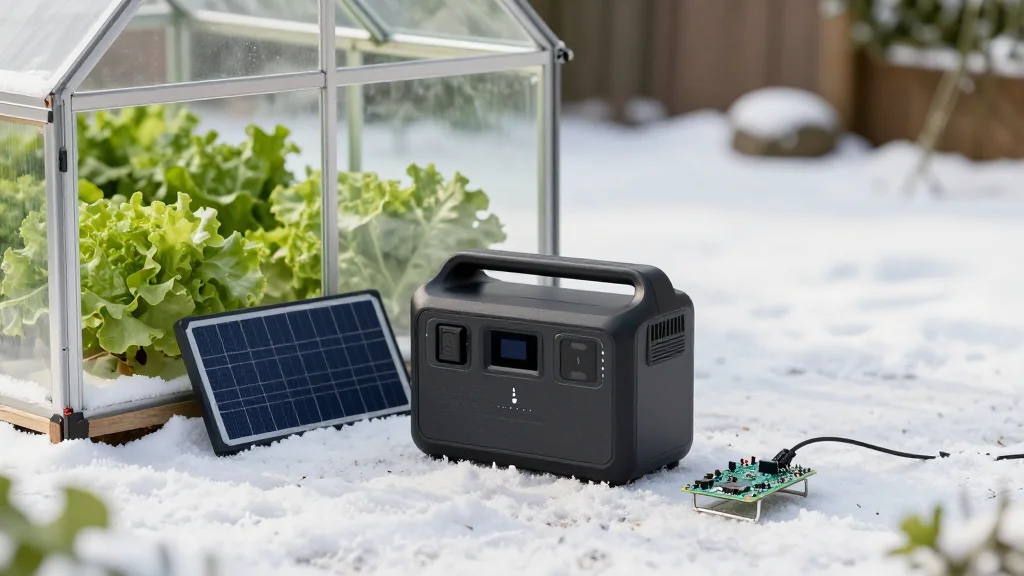
- •Solar‑charged batteries can run greenhouse heaters, pumps, and sensors
- •Raspberry Pi monitoring adds automated temperature alerts with under 10 W draw
- •Off‑grid setup cuts greenhouse downtime by up to a month each winter
Pulse Analysis
The market for portable power stations has exploded in the past five years, driven by advances in lithium‑ion chemistry and the integration of charge controllers, inverters, and multiple AC/DC outlets into a single box. Brands such as Anker Solix, Bluetti and Jackery now ship units that can be charged from the grid, a generator, or directly from photovoltaic panels, delivering anywhere from 500 Wh to several kilowatt‑hours of usable energy. Because they are compact, silent and free of exhaust, these systems have moved beyond emergency backup and are being adopted by campers, tiny‑home owners, and increasingly, small‑scale growers who need reliable, off‑grid power.
In a Vermont greenhouse, where winter temperatures regularly dip below freezing, a modest solar array paired with a 1‑kWh battery can keep essential systems running without a noisy diesel generator. The battery supplies just enough heat to prevent water tanks from freezing, powers aeration pumps, and runs a low‑power Raspberry Pi that logs temperature and sends Wi‑Fi alerts when thresholds are crossed. The thermal mass of the greenhouse water and latent heat of fusion amplify the modest energy input, extending the viable growing season by a month or more. The setup costs a fraction of installing a utility pole and eliminates fuel expenses.
This DIY configuration illustrates a larger shift toward decentralized, resilient food production. As urban and peri‑urban growers seek to reduce carbon footprints and protect against grid outages, portable solar‑battery kits provide a scalable solution that can be customized for anything from a single citrus tree to a multi‑tank aquaponic system. Industry analysts predict continued price drops and higher energy densities, making such installations increasingly affordable for hobbyists and small businesses alike. For entrepreneurs, the model offers a low‑capital entry point into sustainable agriculture, while homeowners gain food security and the satisfaction of growing fresh produce in climates once considered unsuitable.
More On Batteries, Or How To Grow Lemons In Vermont
Comments
Want to join the conversation?
Loading comments...