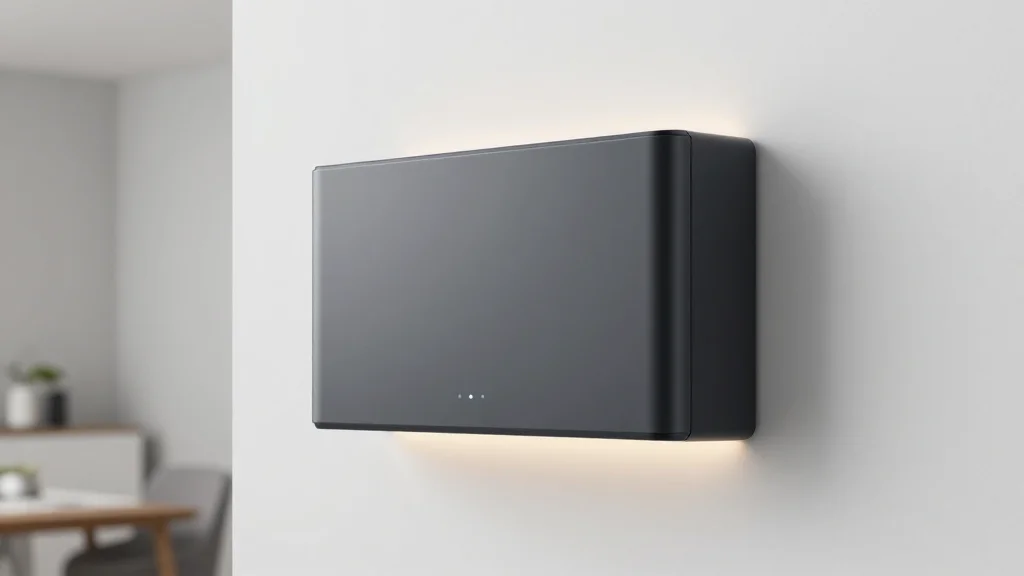
Most Home Batteries Were Never Designed for a Home, and That’s a Potential Problem
Why It Matters
Home‑specific batteries improve safety, usability and lifespan, accelerating household energy independence. The upcoming rebate changes make proper sizing critical for cost‑effective adoption.
Key Takeaways
- •EnergyLIB’s LIB HomeStack provides 16‑48 kWh modular capacity
- •Designed for homes with millisecond fault isolation and quiet operation
- •Up to 8,000 daily cycles equals roughly 22 years of use
- •Cheaper Home Batteries rebate changes start 1 May 2026
Pulse Analysis
Australia’s rooftop solar penetration now tops 30 percent, creating a burgeoning market for behind‑the‑meter storage. While solar panels capture daylight generation, homeowners need reliable batteries to shift excess energy to evening use and hedge against volatile wholesale prices. The surge in installations has exposed a mismatch: many battery models are repurposed from industrial settings, where size, noise and visual impact are secondary concerns. This misalignment can deter adoption, especially in densely populated suburbs where aesthetics and safety are paramount.
Safety and flexibility are becoming decisive factors as government rebates evolve. The federal Cheaper Home Batteries Program, slated for new eligibility rules on 1 May 2026, ties incentives to system size, pressuring consumers to choose correctly the first time. EnergyLIB’s LIB HomeStack tackles this by offering a stackable architecture—16 kWh, 32 kWh or 48 kWh—allowing households to scale capacity without costly retrofits. Its design incorporates millisecond‑level fault isolation, continuous cell‑level monitoring and a low‑profile enclosure, aligning with Australian standards for residential installations and reducing fire‑risk concerns that plague legacy industrial units.
For installers and retailers, the shift toward purpose‑built residential batteries opens new revenue streams. EnergyLIB’s partner program promises territory protection and brand support, encouraging local expertise to guide consumers through sizing, installation and maintenance. As batteries become integral to home energy management—balancing solar generation, peak‑shaving and backup power—the market is likely to favor solutions that combine durability, safety and aesthetic integration. Homeowners who adopt such systems can expect lower grid reliance, smoother bill profiles and a longer return on investment, reinforcing Australia’s trajectory toward a more resilient, decentralized power grid.
Most home batteries were never designed for a home, and that’s a potential problem
Comments
Want to join the conversation?
Loading comments...