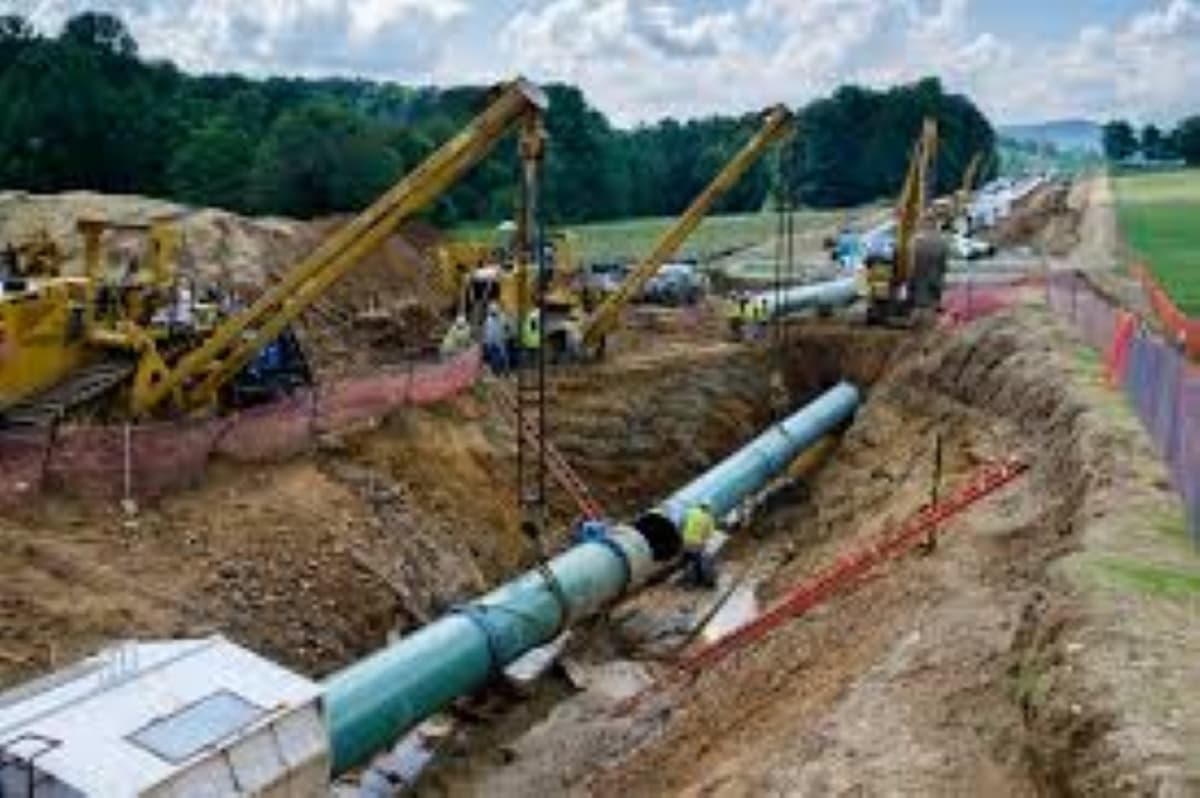
Mountain Valley Southgate Pipeline Advances, Court Rejects Environmental Groups Bid to Halt Project
Companies Mentioned
Why It Matters
The ruling reduces immediate legal risk, allowing the project to progress toward its 2028 service target, which could bolster energy reliability in the Southeast. Ongoing litigation, however, means the project’s ultimate fate still hinges on federal approvals and environmental scrutiny.
Key Takeaways
- •Fourth Circuit denied stay, permitting construction to continue
- •31.3‑mile, 30‑inch pipeline targets 550,000 dekatherms/day by 2028
- •EQT’s Mountain Valley expansion seeks energy reliability in the Southeast
- •Litigation over FERC approvals and water‑quality permits continues
- •Environmental groups claim project undermines climate goals and water protection
Pulse Analysis
The Fourth Circuit’s refusal to grant a stay marks a pivotal moment for the Mountain Valley Southgate extension, a project that has been mired in legal battles since its original 2020 approval. By upholding Virginia and North Carolina’s Section 401 water‑quality certifications, the court effectively permits the 31.3‑mile, 30‑inch conduit to move forward while the broader FERC-related challenges continue in lower courts. This outcome underscores how appellate courts can shape the timeline of large‑scale energy infrastructure, especially when plaintiffs fail to demonstrate a high likelihood of success on the merits.
Beyond the courtroom, the Southgate pipeline reflects a broader trend of expanding natural‑gas infrastructure in the U.S. Southeast. Growing industrial activity, new data‑center construction, and power‑generation needs have driven demand for a more diversified fuel mix. EQT’s plan to deliver roughly 550,000 dekatherms per day by 2028 promises to enhance supply security for manufacturers and utilities, potentially lowering exposure to volatile spot‑market prices. The project also aligns with regional economic development goals, promising jobs and tax revenue in both Virginia and North Carolina.
Nevertheless, the pipeline faces significant headwinds. Ongoing litigation over FERC permits and water‑quality impacts could trigger delays or require costly redesigns. Environmental groups argue the project conflicts with climate‑reduction targets and threatens waterways, echoing challenges that have stalled other high‑profile pipelines like Keystone XL. Investors and developers must therefore monitor regulatory developments closely, as any adverse ruling could reshape the project's economics and timeline. The ultimate success of Southgate will hinge on balancing energy‑security objectives with evolving environmental standards and market dynamics.
Mountain Valley Southgate Pipeline Advances, Court Rejects Environmental Groups Bid to Halt Project
Comments
Want to join the conversation?
Loading comments...