Musk’s AI Ambitions Run on Fossil Fuels Despite Tesla’s Clean Energy Legacy

Why It Matters
The reliance on fossil fuels raises ESG concerns for investors and could undermine Tesla’s green positioning, while shaping the broader AI industry’s energy strategy.
Key Takeaways
- •xAI spending $2.8 billion on natural‑gas turbine power.
- •$697 million invested in Tesla Megapacks for grid storage.
- •No significant purchases of Tesla solar panels reported.
- •Musk proposes orbital solar farms for AI by 2028.
- •Critics warn terrestrial solar remains cheaper and more feasible.
Pulse Analysis
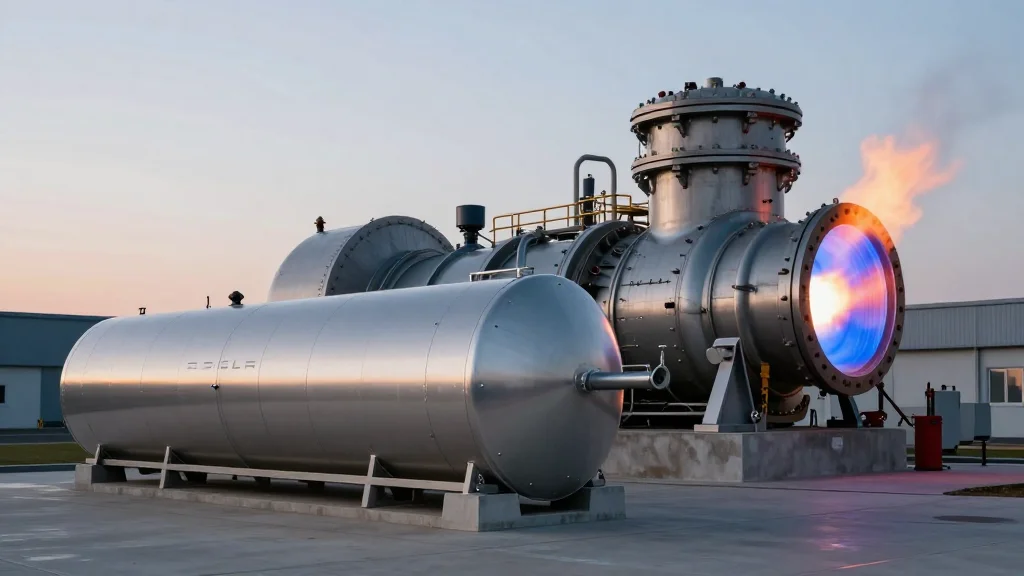
Artificial intelligence training consumes massive electricity, and the source of that power has become a strategic differentiator for tech firms. xAI’s recent filing shows a $2.8 billion commitment to natural‑gas turbines, a choice that starkly contrasts with Tesla’s public mission to eliminate hydrocarbon dependence. While natural gas offers reliable baseload for intensive GPU workloads, it also adds carbon emissions that clash with the sustainability narrative increasingly demanded by shareholders and regulators.
The $697 million investment in Tesla Megapacks signals an effort to buffer grid demand, yet the absence of substantial solar panel purchases suggests a reluctance to fully integrate renewable generation. Megapacks can store excess energy, but without clean input they merely shift fossil‑fuel consumption rather than reduce it. This gap raises ESG red flags for investors who expect Musk’s ecosystem to leverage internal synergies, especially as other AI leaders announce carbon‑neutral roadmaps.
Musk’s long‑term vision of orbital solar farms aims to sidestep terrestrial constraints by harvesting continuous sunlight in space, with a target rollout by 2028. While conceptually bold, the economics remain uncertain, and the technical challenge of routing power from orbit to Earth is unresolved. Meanwhile, critics point out that existing solar farms on the ground can be deployed faster and at lower cost, offering a pragmatic path to decarbonize AI compute. The debate underscores a broader industry dilemma: balancing rapid AI advancement with the imperative for sustainable energy solutions.
Musk’s AI Ambitions Run on Fossil Fuels Despite Tesla’s Clean Energy Legacy
Comments
Want to join the conversation?
Loading comments...