Why It Matters
Accurate hub‑height wind data de‑risks repowering projects, enhancing investor confidence and unlocking additional generation capacity on existing sites.
Key Takeaways
- •Nadara selects ZX 300e lidar fleet for UK repowering.
- •Turnkey solution includes field services and standalone power systems.
- •Direct hub‑height measurements replace legacy met‑mast data.
- •Reduces financial uncertainty, boosting lender confidence.
Pulse Analysis
The UK onshore wind market is entering a critical repowering phase, with many assets nearing the end of their design life. Operators like Nadara are seeking to replace older turbines with taller, higher‑capacity models, but the lack of reliable wind data at these new hub heights has been a persistent barrier. Standalone wind lidars, such as ZX Lidars’ ZX 300e, fill this gap by delivering continuous, IEC‑certified measurements across the full rotor‑swept area, eliminating the need for costly met‑mast installations and providing a clear, data‑driven basis for turbine selection and financial modeling.
Beyond technical validation, the financial implications of accurate wind profiling are profound. Lenders and investors rely on P50 and P90 forecasts to assess project viability; uncertainty in wind shear, veer, and vertical profiles can inflate risk premiums or stall financing altogether. By supplying bankable, long‑term data directly at proposed hub heights, the ZX 300e reduces these uncertainties, enabling tighter confidence intervals and more favorable loan terms. This data fidelity also supports regulatory approvals, as planners can demonstrate that repowered turbines will meet or exceed original performance expectations without adverse grid impacts.
The broader industry trend points toward increased adoption of lidar‑based measurement as a standard component of repowering strategies. As grid constraints and land‑use pressures limit new site development, maximizing output from existing farms becomes a cost‑effective growth pathway. Companies that integrate turnkey lidar solutions gain a competitive edge, accelerating project timelines and delivering higher returns on legacy assets. For stakeholders across the value chain—developers, financiers, and OEMs—the shift toward lidar‑enabled repowering signals a more data‑centric, lower‑risk future for onshore wind expansion.
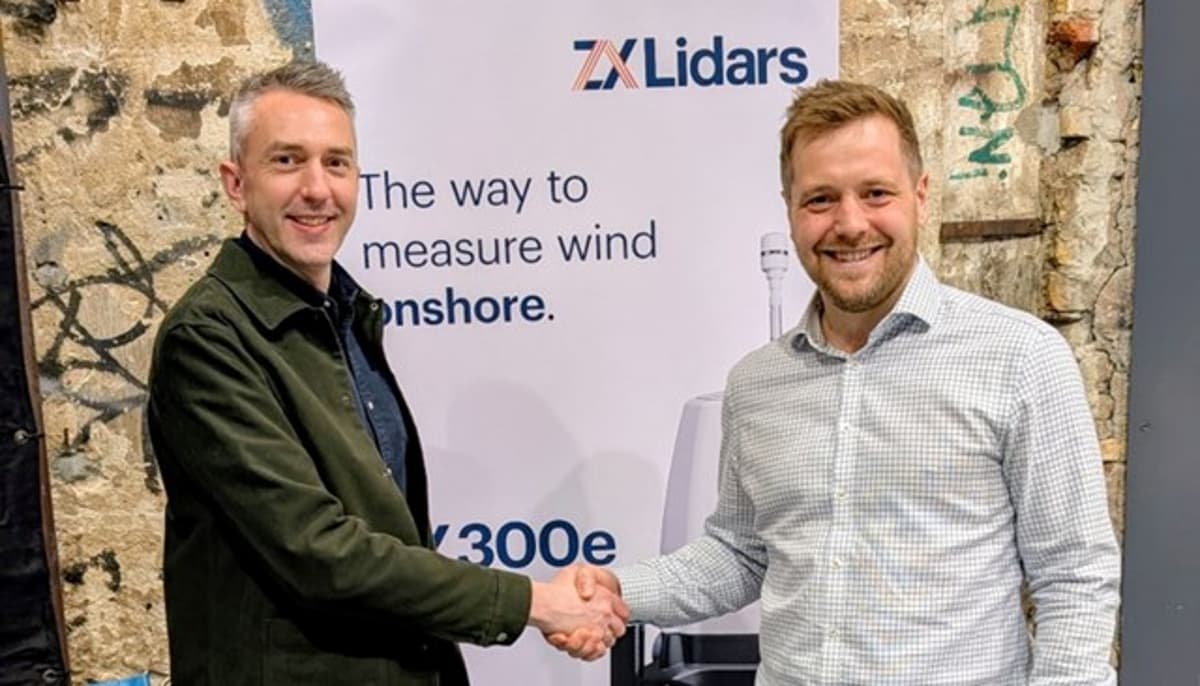
Nadara picks ZX Lidar for UK repowering


Comments
Want to join the conversation?
Loading comments...