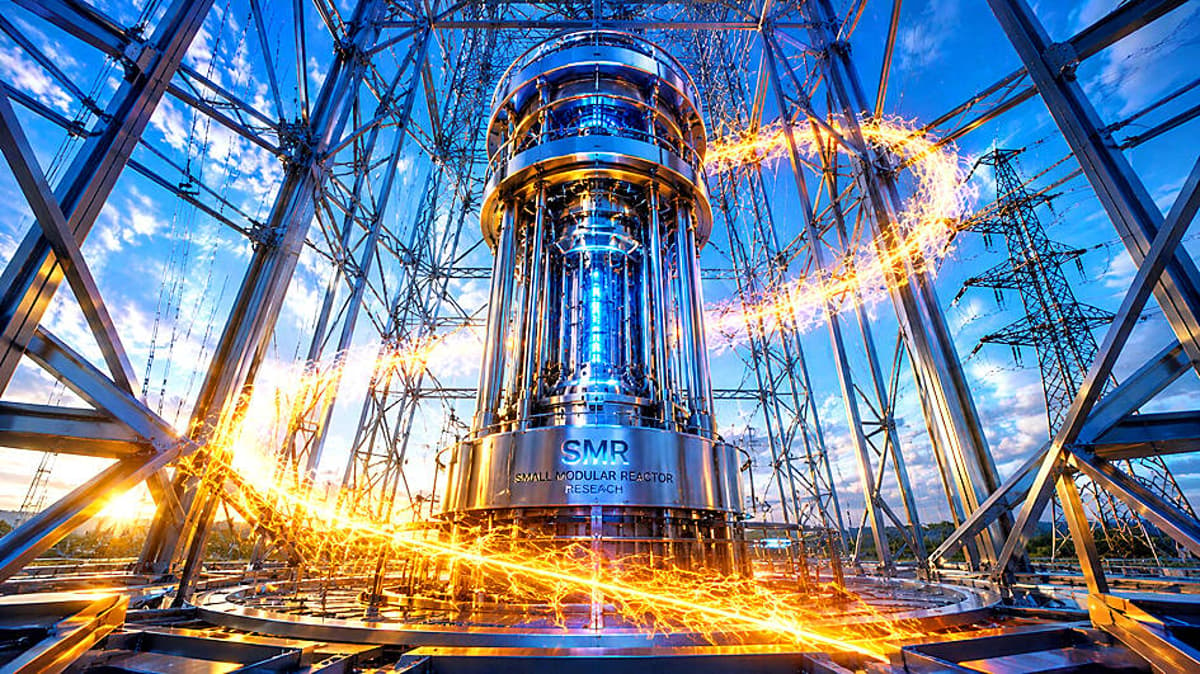
NARI Speeding up Nuclear Fusion, SMR Research
Why It Matters
The push positions Taiwan to join global advanced‑reactor initiatives and could diversify its energy mix amid climate goals, yet unresolved safety and waste issues may hinder public acceptance and policy implementation.
Key Takeaways
- •NARI received US$3.16 million for low‑carbon SMR research.
- •Taiwan allocated roughly US$1.5 million per year to fusion research since 2023.
- •SMRs generate 20‑30× more nuclear waste per electricity unit than large reactors.
- •Government signals openness to advanced nuclear if safety and waste concerns resolved.
- •Environmental groups cite seismic, site‑selection and proliferation risks for SMRs.
Pulse Analysis
Taiwan is navigating a delicate energy transition, balancing the need for reliable baseload power with ambitious carbon‑reduction targets. In June 2026, the National Atomic Research Institute announced an intensified focus on small modular reactors (SMRs) and nuclear‑fusion research, reflecting a broader governmental openness to next‑generation nuclear technologies. The institute secured US$3.16 million from the National Science and Technology Council to explore low‑carbon, high‑energy‑density SMR designs, and it has outlined a four‑year plan to assess deployment pathways. This move aligns Taiwan with international programs, such as the U.S. Department of Energy’s $3.2 billion advanced‑reactor demonstrations.
SMRs, typically ranging from 20 to 300 megawatts, promise quicker construction and modular scalability, but they still rely on fission and generate radioactive waste. Taiwanese analysts note that SMRs could produce 20‑30 times more waste per megawatt‑hour than conventional plants because they lack extensive shielding. The island’s seismic activity, tsunami risk, and potential geopolitical tensions further complicate siting decisions. Moreover, some designs call for enriched uranium up to five times higher than current reactors, raising proliferation concerns. Environmental groups therefore caution that without robust waste‑management and safety frameworks, public acceptance will remain fragile.
Parallel to SMR work, Taiwan is expanding its nuclear‑fusion program, which received roughly US$1.5 million annually since 2023, bringing total funding to about US$5 million. The research concentrates on magnetic‑confinement plasma physics in collaboration with leading universities and the National Center for High‑Performance Computing. While fusion offers the allure of minimal long‑term waste, challenges such as tritium supply, neutron‑induced material degradation, and the decades‑long timeline to commercial viability persist. Nonetheless, advancing both SMR and fusion pathways could provide Taiwan with strategic flexibility, reducing reliance on imported fossil fuels and strengthening energy security in a carbon‑constrained future.
NARI speeding up nuclear fusion, SMR research
Comments
Want to join the conversation?
Loading comments...