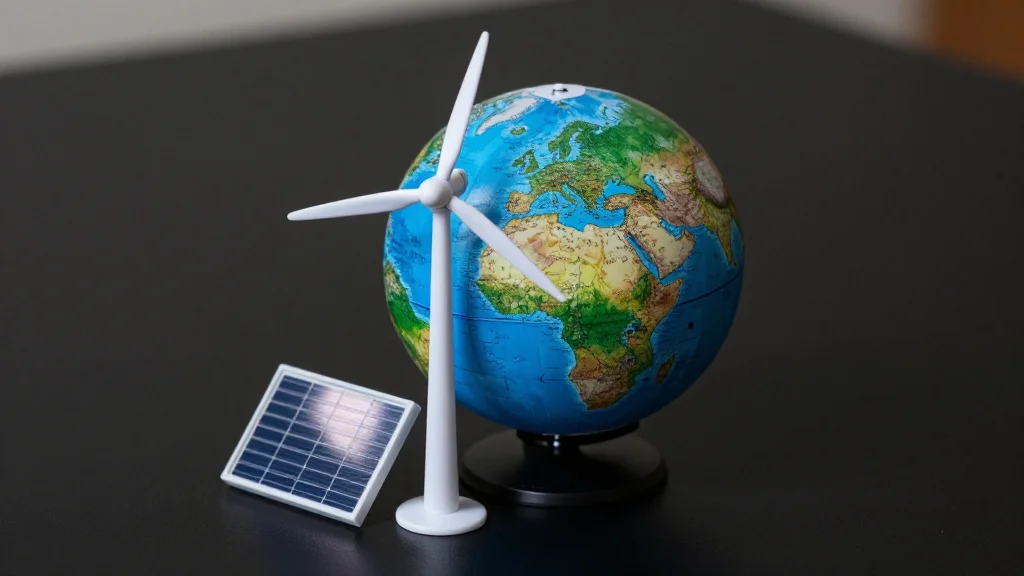
Nations Meet to Discuss Fossil Fuel Exit as Iran War Drives up Prices
Why It Matters
The summit could accelerate policy tools that help economies decouple from volatile fossil‑fuel markets, strengthening energy security while advancing climate goals.
Key Takeaways
- •60 nations gather in Colombia to share fossil‑fuel phase‑out strategies
- •Focus on financing, regulations, and planning, not new emission commitments
- •China, U.S., and Saudi Arabia skip, underscoring limited global participation
- •Iran war‑driven price spikes highlight urgency for energy diversification
- •Meeting aims to create investment conditions shifting industry from gas to electricity
Pulse Analysis
The Santa Marta gathering arrives at a moment when the Iran‑driven conflict has sent oil and gas prices soaring, exposing the fragility of global energy supply chains. Asian economies are scrambling for fuel, while European nations grapple with record‑high electricity bills, prompting policymakers to reconsider reliance on imported hydrocarbons. By convening a diverse group of 60 nations, the summit seeks to translate climate ambition into actionable mechanisms that can shield economies from geopolitical shocks and price volatility.
Unlike traditional UN climate talks that chase consensus on emission caps, this meeting zeroes in on the nuts and bolts of a fossil‑fuel exit. Delegates will debate the design of green bonds, carbon‑pricing reforms, and subsidy phase‑outs that can incentivize a shift from natural gas to renewable electricity. The focus on regulatory and planning instruments reflects a pragmatic turn, aiming to create a predictable investment climate for utilities and industrial players eager to decarbonize without jeopardizing competitiveness.
The absence of the world’s top polluters—China, the United States, and Saudi Arabia—underscores both the limits and the potential of a voluntary coalition. While the summit may not rewrite global climate agreements, its outcomes could seed national policies that feed into future COP negotiations, nudging the broader community toward more concrete action. For businesses, the emerging toolkit offers clearer signals for capital allocation, risk management, and long‑term strategy in a world where energy security and climate resilience are increasingly intertwined.
Nations meet to discuss fossil fuel exit as Iran war drives up prices
Comments
Want to join the conversation?
Loading comments...