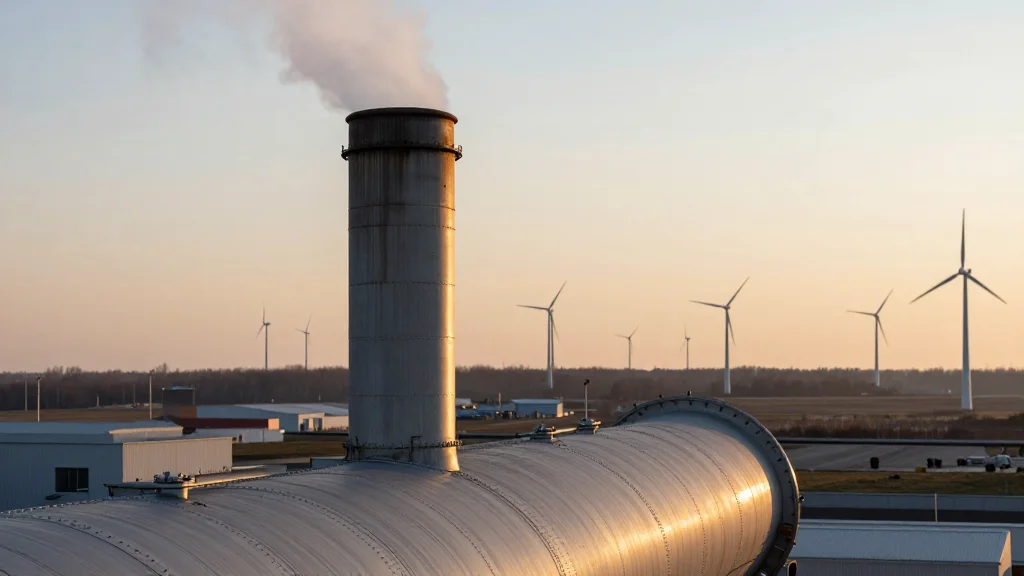
Natural Gas Power Burn Hits 13-Week High as Wind Output Stalls
Why It Matters
A surge in natural‑gas generation amid dwindling wind output tightens storage and raises fuel‑price exposure, reshaping the U.S. power mix and highlighting grid‑reliability challenges.
Key Takeaways
- •Natural gas generation rose to 175.5 GW, a 13‑week high.
- •Wind output fell 27.7 GW, lowest since October.
- •Total U.S. electricity generation dropped 29.8 GW week‑over‑week.
- •Gas price climbed to $2.08/MMBtu, up 13 cents.
- •Coal generation increased to 64.8 GW, supporting grid.
Pulse Analysis
The latest EIA weekly storage report paints a clear picture of a power market in transition. Natural‑gas plants, already the backbone of U.S. electricity, surged to 175.5 GW, driven by a 13‑week streak of higher generation. Meanwhile, the average gas price nudged upward to $2.08 per MMBtu, reflecting tighter supply balances as storage levels dip. This combination of higher output and rising costs signals that gas‑fired generation is becoming an increasingly expensive but essential resource for meeting demand.
Wind’s sharp decline—down 27.7 GW to just 39.7 GW—was the most pronounced among all fuels. Meteorological patterns over the past weeks have left key wind corridors, especially in the South Central region, unusually calm, curtailing output to its lowest level since the previous autumn. The shortfall forced grid operators to lean on gas plants, compressing storage inventories and amplifying price pressure. For utilities, the volatility underscores the need for diversified resources and robust forecasting tools to mitigate the risk of wind intermittency.
Looking ahead, the data suggests a tightening feedback loop: weaker renewables push more gas onto the grid, which in turn inflates fuel prices and storage constraints. Policymakers and investors will likely scrutinize this dynamic as they weigh the merits of expanding battery storage, enhancing transmission, or accelerating offshore wind projects to buffer against similar wind lulls. In the near term, natural‑gas generators are poised to retain a dominant role, but the market’s sensitivity to weather‑driven renewable swings could reshape investment priorities across the energy sector.
Natural Gas Power Burn Hits 13-Week High as Wind Output Stalls
Comments
Want to join the conversation?
Loading comments...