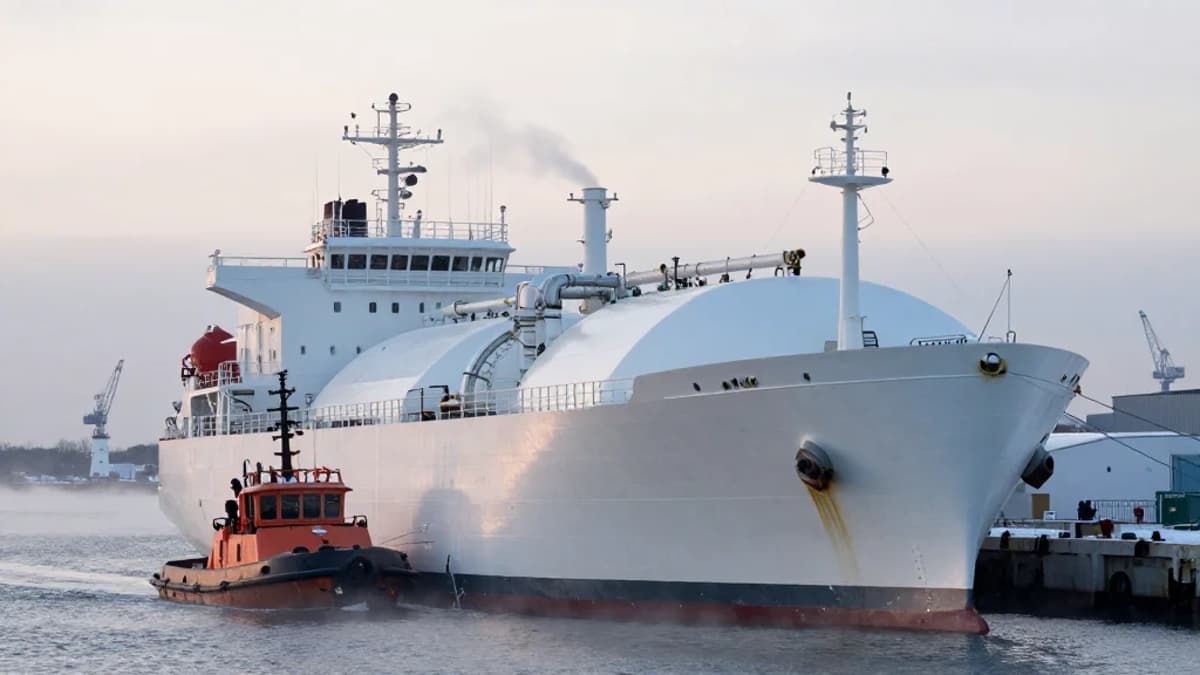
New England Receives Another LNG Import Cargo as Winter Takes Its Toll
Companies Mentioned
Why It Matters
The additional cargo highlights the region’s dependence on imported LNG to offset winter demand spikes, reinforcing price pressure and supply chain importance for New England’s energy security.
Key Takeaways
- •Everett terminal received four LNG cargoes this winter
- •Winter weather spikes demand, keeping Northeast prices elevated
- •Excelerate Shenandoah sourced gas from Trinidad's Atlantic terminal
- •Last cargo unloaded at Everett on Jan 22, 2024
- •Terminal handled six cargoes during previous winter season
Pulse Analysis
New England’s energy mix has increasingly leaned on liquefied natural gas (LNG) imports to bridge the gap between domestic production and winter heating demand. The Everett terminal, situated in Boston Harbor, serves as a critical entry point for cargoes arriving from the Caribbean and Atlantic basins. This week’s delivery by the Excelerate Shenandoah, sourced from the Atlantic LNG facility in Trinidad and Tobago, represents the fourth cargo received at Everett since the season’s start. Over the past winter the terminal handled six shipments, illustrating the region’s growing reliance on offshore supply lines during cold spells.
The surge in shipments reflects the broader dynamics of the global LNG market, where winter demand in the United States pushes spot prices to multi‑year highs. As pipelines strain under peak consumption, import terminals like Everett become price‑setting hubs, translating higher freight and regasification costs into elevated retail rates for consumers. Caribbean exporters, notably Trinidad’s Atlantic LNG, have capitalized on this environment, offering flexible contracts and rapid turnaround times. Vessels such as the Shenandoah, operated by Excelerate, provide the agility needed to meet tight delivery windows, reinforcing the strategic value of a diversified supply chain.
Looking ahead, the continued reliance on LNG imports raises questions about New England’s long‑term energy strategy. Investments in additional regasification capacity and on‑shore storage could mitigate seasonal price spikes, while policy incentives for renewable heating may gradually reduce demand for fossil‑based gas. Meanwhile, market participants will monitor geopolitical shifts and vessel availability, as any disruption in Caribbean supply routes could reverberate through the Northeast’s power grid. The current cargo flow underscores the delicate balance between securing reliable winter fuel and transitioning toward a lower‑carbon future.
New England Receives Another LNG Import Cargo as Winter Takes its Toll


Comments
Want to join the conversation?
Loading comments...