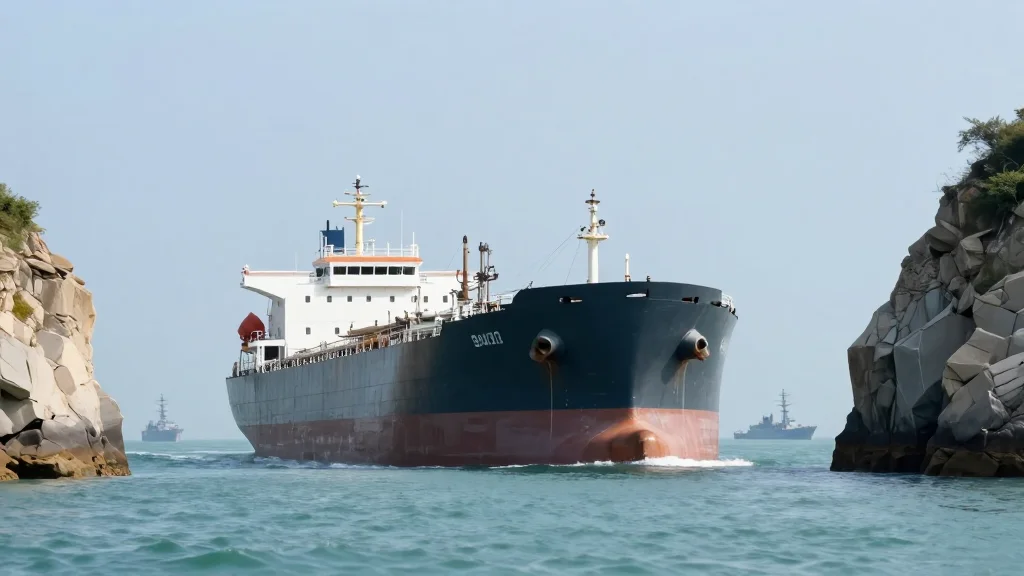
New Episode: How Have Global Oil Supply Chains Shifted Around the Iran Conflict?
Why It Matters
Disruptions threaten energy security and price stability, prompting shifts in trade routes and investment strategies across the oil sector.
Key Takeaways
- •Hormuz closure forces rerouting through alternative pipelines
- •Saudi output increased to offset Iranian shortfall
- •European refiners face higher freight costs
- •Market volatility spikes amid geopolitical uncertainty
Pulse Analysis
The escalation between the United States, Israel and Iran has sent shockwaves through the world’s oil logistics network. The closure of the Strait of Hormuz—through which roughly 20% of global oil passes—combined with U.S. naval blockades of Iranian tankers, has choked traditional export lanes. Producers in Saudi Arabia and the United Arab Emirates are scrambling to re‑balance supply, while shippers seek alternate corridors such as the Red Sea‑Suez route and overland pipelines to mitigate bottlenecks.
In response, Saudi Arabia has lifted crude output by an estimated 300,000 barrels per day, aiming to fill the gap left by Iranian shortfalls. The UAE is similarly boosting its offshore capacity and redirecting cargoes toward Asian markets, where demand remains robust. European refiners, however, are bearing the brunt of higher freight rates and longer transit times, eroding margins and prompting a reevaluation of sourcing strategies. Meanwhile, traders are pricing in a risk premium that has pushed Brent crude above $90 per barrel, reflecting heightened geopolitical uncertainty.
The longer‑term implications extend beyond immediate price spikes. Energy firms are accelerating investments in strategic reserves and diversifying supply portfolios to hedge against future chokepoints. Policymakers in consuming nations are revisiting energy security frameworks, emphasizing domestic production and renewable integration to reduce reliance on volatile routes. For investors, the episode underscores the importance of monitoring geopolitical risk as a core driver of oil market dynamics, shaping everything from contract negotiations to capital allocation decisions.
New episode: How have global oil supply chains shifted around the Iran conflict?
Comments
Want to join the conversation?
Loading comments...