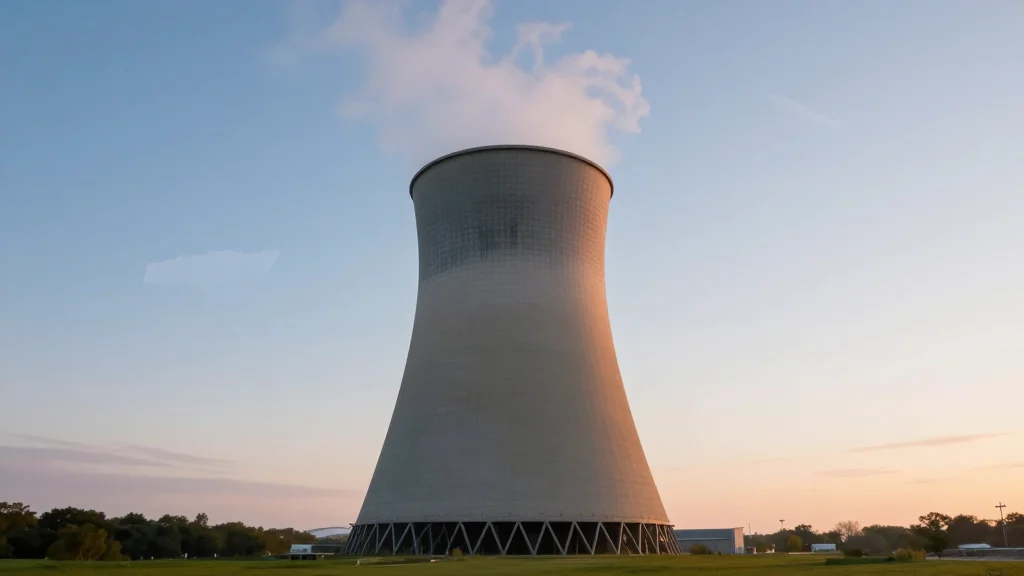
New Jersey Becomes Second State This Year to Lift Its Nuclear Moratorium
Why It Matters
Lifting the moratorium positions New Jersey to expand low‑carbon generation at a time when utilities seek reliable alternatives to intermittent renewables, and it signals broader regulatory openness to next‑generation nuclear technologies nationwide.
Key Takeaways
- •NJ repeals 1970s nuclear moratorium, clearing legal barrier.
- •Hope Creek and Salem supply 40% of state electricity, 80% carbon‑free.
- •Law now requires modern, proven waste storage, removing outdated disposal clause.
- •Opens path for 1,100 MW of advanced reactors, including SMRs.
Pulse Analysis
New Jersey's decision to overturn its nuclear moratorium marks a pivotal shift in state energy policy. The original ban, enacted in the 1970s, hinged on a federal waste‑disposal requirement that has never been satisfied, effectively freezing new nuclear projects for nearly half a century. By replacing that clause with a mandate for modern, proven storage methods, the legislation aligns state law with current industry practices and removes a major regulatory hurdle for developers.
The repeal arrives amid a national resurgence of interest in nuclear power as a climate solution. Federal initiatives are now emphasizing fuel recycling and the development of small modular reactors (SMRs), which promise lower upfront costs and flexible siting. New Jersey's existing infrastructure—particularly the Hope Creek and Salem plants that already deliver 40% of the state's electricity and 80% of its carbon‑free output—provides a solid foundation for scaling up. The state’s amendment last year to allow SMR development further positions it to attract private investment and potentially host a DOE‑backed nuclear innovation campus.
For the broader market, New Jersey's move could act as a catalyst for other states with dormant nuclear bans. Utilities seeking stable baseload capacity may now view the Garden State as a viable testing ground for advanced reactors, accelerating the commercial rollout of SMRs and larger Generation III+ designs. The anticipated 1,100 MW of new capacity could generate roughly 9 TWh annually, offsetting fossil‑fuel generation and reinforcing regional grid resilience. Investors and equipment manufacturers, especially those in New Jersey's own Holtec International, stand to benefit from the renewed policy momentum.
New Jersey becomes second state this year to lift its nuclear moratorium
Comments
Want to join the conversation?
Loading comments...