New Transformer in Works for Australia’s Most Powerful Battery, but Return to Full Service Pushed Out Again
•February 25, 2026
0
Why It Matters
The prolonged capacity shortfall limits the battery’s ability to deliver its promised renewable‑energy firming, affecting grid reliability and Australia’s clean‑energy transition timeline.
Key Takeaways
- •Transformer fault caused tank wall rupture
- •Battery operating at 50% capacity
- •Replacement transformer due Q3 2026
- •Second transformer remains offline as precaution
- •Battery still averting NSW blackouts
Pulse Analysis
Australia’s Waratah Super Battery, the continent’s largest lithium‑ion storage project, was conceived as a cornerstone for replacing aging coal generation on the New South Wales grid. At its full 850 MW output, the facility would have supplied enough power to meet the demand of roughly 1.5 million homes, while its 1680 MWh capacity could smooth intermittent renewable generation. Its strategic location on the former Munmorah coal site underscores a broader shift toward decarbonising the nation’s energy mix, positioning the battery as a critical “shock absorber” for the state’s electricity market.
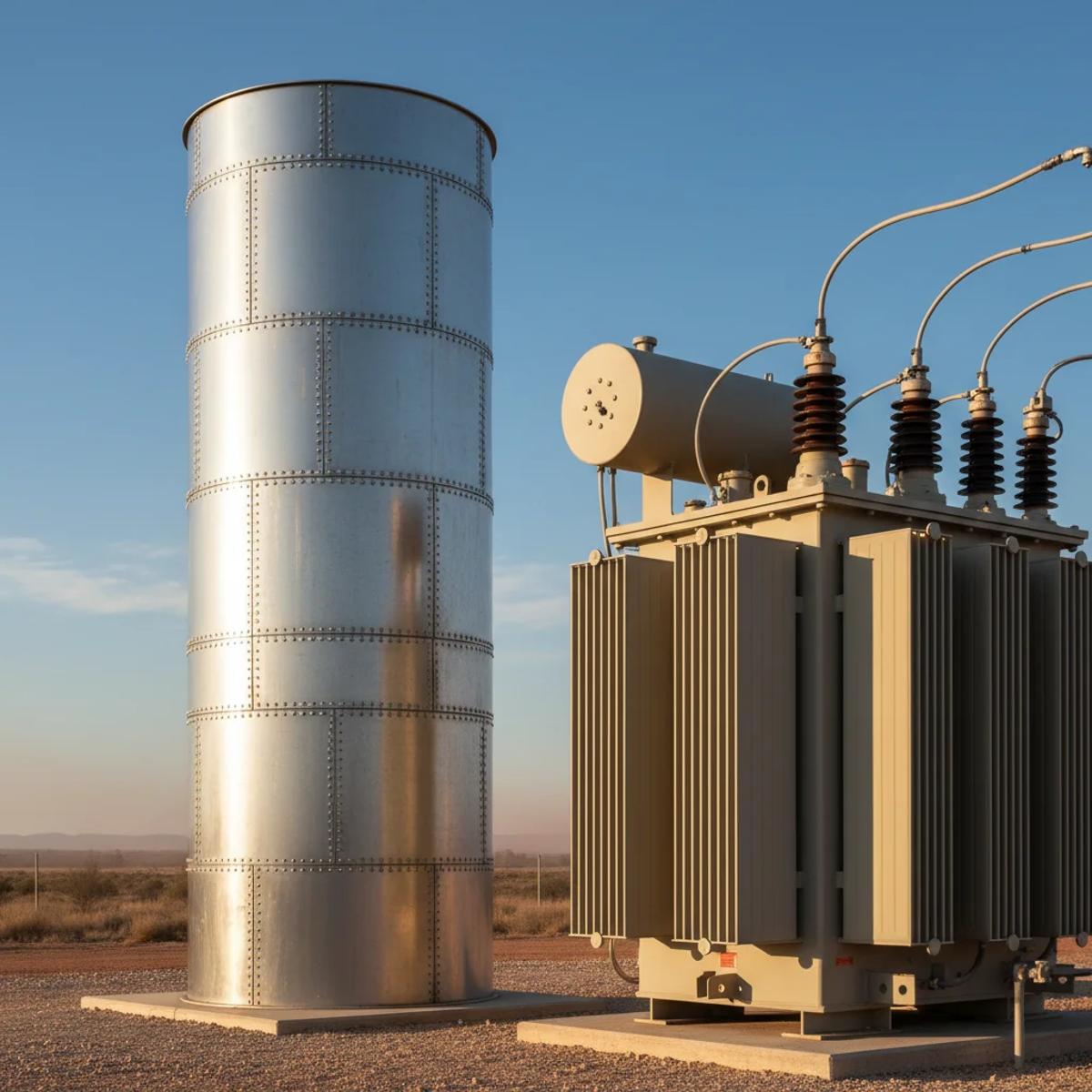
The October 2025 transformer failure exposed vulnerabilities in high‑voltage equipment used for megawatt‑scale storage. An internal fault damaged windings and triggered an over‑pressure event that burst the tank wall, forcing the unit to self‑drain. Investigations remain open, but the incident forced the battery to run on a single transformer, halving its dispatchable power to 350 MW. Akaysha Energy has engaged Wilson Transformer Company to produce a replacement, with production already underway and delivery targeted for Q3 2026. A parallel remediation program will bring the second offline transformer back into service, aiming for full three‑transformer operation by the end of 2026.
The delay highlights the challenges of scaling up grid‑scale storage in a market still reliant on legacy infrastructure. While the battery continues to support the Australian Energy Market Operator during peak demand and coal plant outages, its reduced capacity limits the amount of renewable energy that can be reliably integrated. The episode underscores the importance of robust component design, local manufacturing capabilities, and proactive risk management for future projects. As Australia pushes toward its 2030 net‑zero targets, ensuring the reliability of such large‑scale batteries will be pivotal for maintaining grid stability and fostering investor confidence in the clean‑energy sector.
New transformer in works for Australia’s most powerful battery, but return to full service pushed out again
0
Comments
Want to join the conversation?
Loading comments...