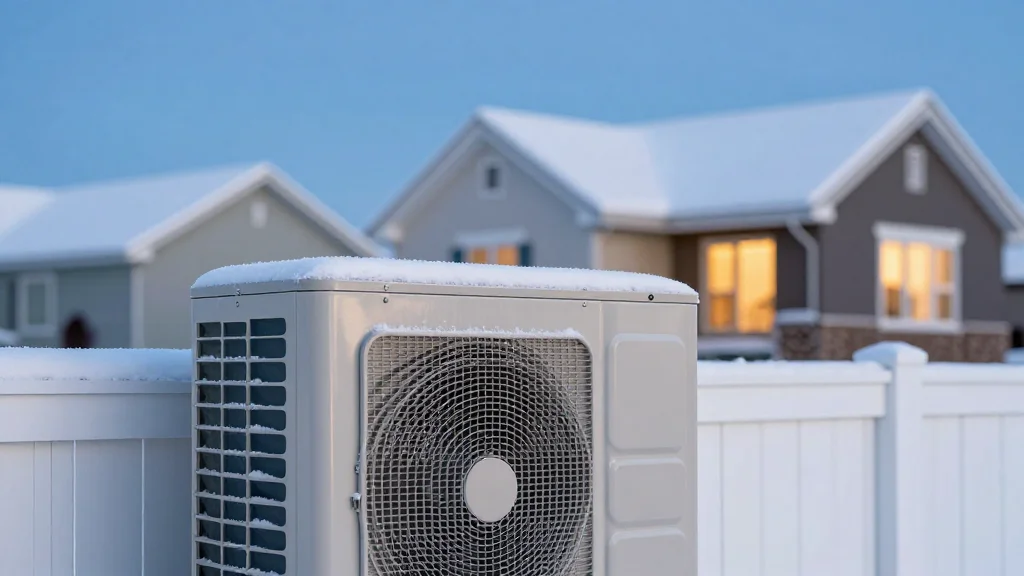
New Winter Rates Saved at Least $37M for Massachusetts Heat-Pump Owners
Why It Matters
The discount removes a key cost barrier to electrifying home heating, accelerating decarbonization goals while keeping bills affordable for consumers. It also creates a policy template that other states can replicate to boost heat‑pump adoption nationwide.
Key Takeaways
- •Massachusetts' seasonal rates cut winter electricity 4.3‑7.5¢/kWh for heat‑pump owners.
- •Over 140,000 households saved roughly $37 million, averaging $250 each.
- •Proposed deeper cuts could boost median savings to $687 per home.
- •Rhode Island and New York are evaluating similar discounted heat‑pump rates.
- •Rate discounts aim to remove unfair delivery charges and spur electrification.
Pulse Analysis
The Massachusetts Department of Public Utilities’ seasonal rate program tackles a long‑standing pricing distortion: heat‑pump owners traditionally pay higher delivery charges despite using the grid during off‑peak winter hours. By shaving 4.3 to 7.5 cents per kilowatt‑hour from the standard winter rate, the state not only delivered $37 million in consumer savings but also demonstrated how utility tariffs can be aligned with climate policy. This approach directly addresses the affordability hurdle that has slowed residential electrification, especially in older, drafty homes that dominate the New England housing stock.
Early data suggest the rate cut is more than a financial nicety; it could materially accelerate heat‑pump adoption. Analysts at Switchbox estimate that without any discount, 45 % of Massachusetts homes would already see savings, a figure that jumps to 64 % with the current rates and could exceed 80 % if deeper cuts are approved. The proposed 12‑to‑17‑cent discount would raise the median winter saving to $687, making heat‑pump conversion financially compelling even for households still reliant on natural gas or heating oil. Utilities argue that the discount is revenue‑neutral because winter delivery costs are low, and the proposed adjustments maintain overall utility earnings while shifting cost burdens more equitably.
Massachusetts’ experiment is quickly becoming a playbook for neighboring states. Rhode Island’s utility and the Conservation Law Foundation have filed a proposal mirroring the Massachusetts model, while New York’s climate regulators are reviewing a Switchbox report that quantifies potential savings for millions of gas‑using customers. If these initiatives gain regulatory approval, the United States could see a cascade of rate reforms that remove the last major economic obstacle to full‑scale building decarbonization, reinforcing the grid’s role in meeting state and federal climate targets. The ripple effect may also stimulate manufacturers, installers, and financing firms, creating a broader economic uplift tied to clean‑energy policy.
New winter rates saved at least $37M for Massachusetts heat-pump owners
Comments
Want to join the conversation?
Loading comments...