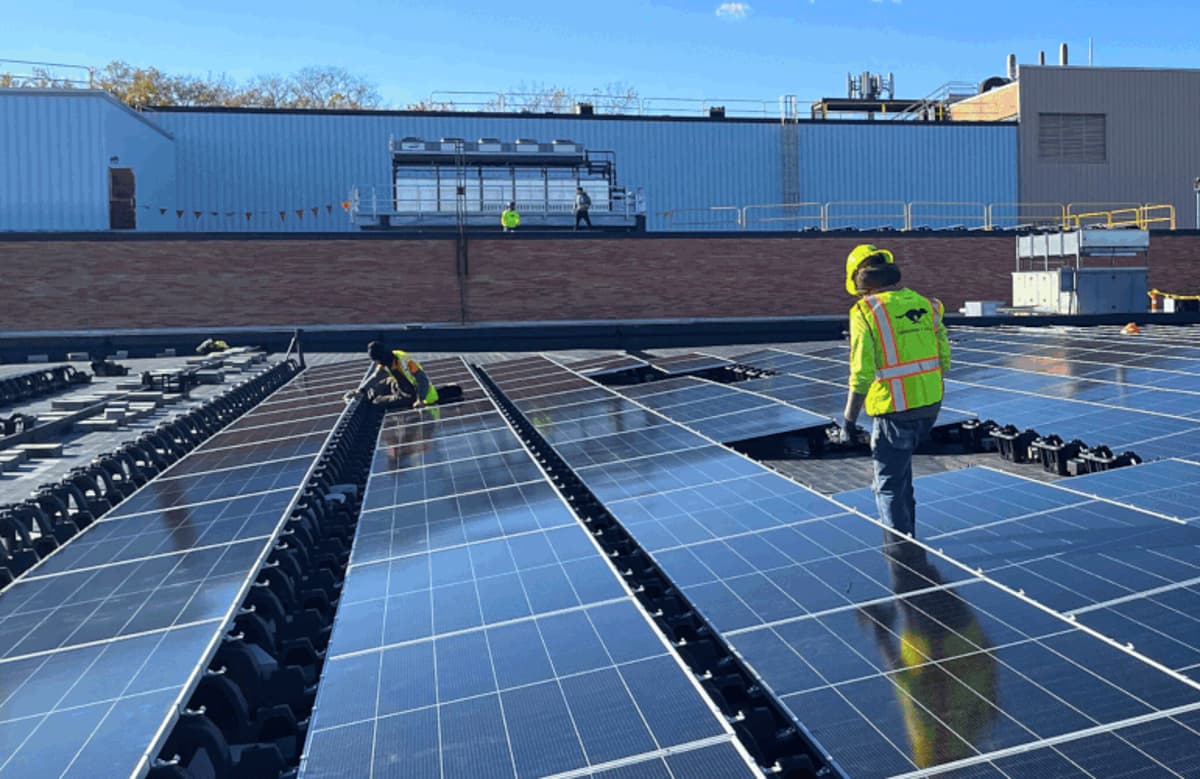
New York Prioritizes Solar in 2027 State Budget
Why It Matters
The investment accelerates New York’s clean‑energy transition, creating jobs and lowering electricity costs while setting a template for other states to modernize grid interconnections.
Key Takeaways
- •NY budget allocates $200 M to NY‑Sun for rooftop and community solar
- •Program aims to add roughly 1 GW of new solar capacity statewide
- •Flexible interconnection reforms could boost Upstate community solar by 97 %
- •Utilities must adopt smart‑grid controls, improving grid reliability and cost transparency
- •Investment expected to create well‑paid jobs and accelerate New York’s emissions‑free goal
Pulse Analysis
New York’s FY 2027 budget signals a decisive push toward distributed renewable energy, allocating $200 million to the NY‑Sun initiative. The program, managed by NYSERDA, focuses on expanding rooftop and community solar projects, a strategy that aligns with the state’s aggressive climate targets and its aim to decarbonize the power sector by 2030. By funneling resources into solar installations, the budget not only addresses climate goals but also taps into a growing market segment that offers predictable, low‑cost electricity for residential and commercial customers.
Beyond financing, the budget introduces a suite of interconnection reforms that require utilities to implement flexible, smart‑grid‑controlled connections. A recent NYSERDA‑funded study demonstrated that such flexibility could increase community‑solar capacity in Upstate New York by nearly 100 percent, unlocking previously constrained sites. These reforms are expected to streamline permitting, reduce bottlenecks, and improve grid resilience, making it easier for developers to bring projects online and for utilities to manage distributed generation without compromising reliability.
For the broader energy industry, New York’s approach serves as a benchmark for integrating policy, finance, and technology. The emphasis on cost transparency and wireless alternatives for utility projects could lower capital expenditures, while the job‑creation promise—well‑paid positions in installation, operations, and maintenance—adds a socioeconomic dimension to the clean‑energy narrative. As other states watch New York’s rollout, the combination of substantial funding, regulatory innovation, and clear emissions‑reduction pathways may catalyze similar initiatives nationwide, reshaping the U.S. solar market landscape.
New York prioritizes solar in 2027 state budget
Comments
Want to join the conversation?
Loading comments...