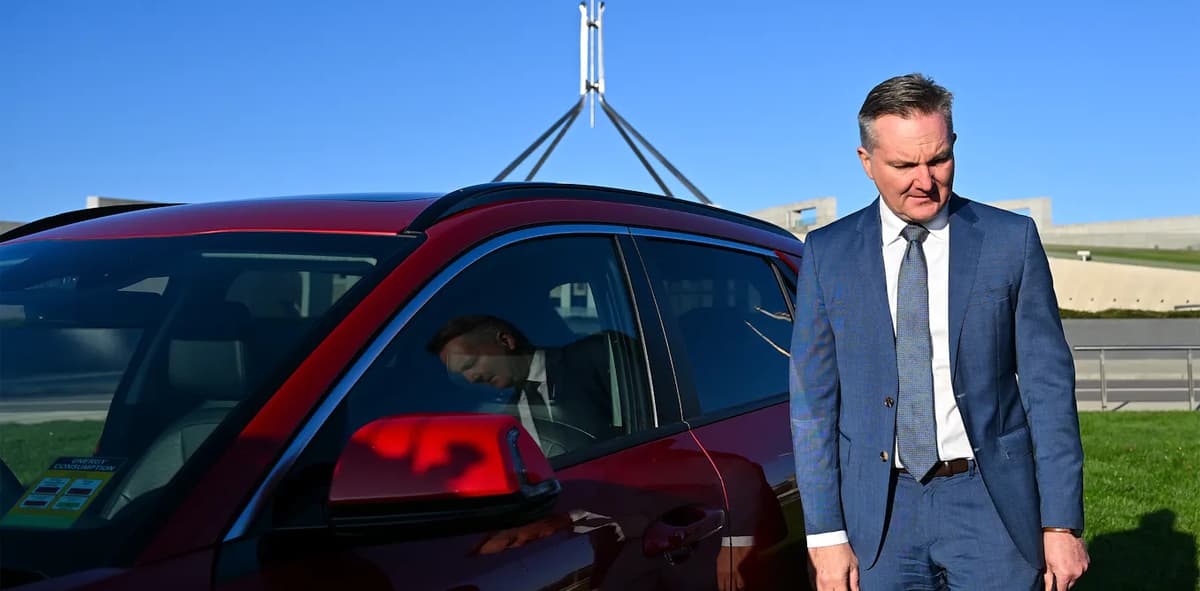
Next Week’s Budget to Reduce Electric Vehicle FBT Concession
Why It Matters
By reducing the tax break, the government aims to curb fiscal pressure while still incentivizing cheaper, mass‑market EVs, shaping Australia’s transition to sustainable transport and influencing automaker pricing strategies.
Key Takeaways
- •Budget cuts EV fringe benefit tax, saving ~US$1.1 billion.
- •Full 25% FBT discount applies to EVs under US$49,500 from 2029.
- •EVs over US$49,500 receive 25% discount only between 2027‑2029.
- •No impact on existing leases; import tariffs remain waived.
Pulse Analysis
The Australian government’s 2025‑26 budget arrives at a pivotal moment for electric mobility. In March, electric and plug‑in hybrid vehicles accounted for nearly 23 % of new car registrations, up sharply from under 2 % in mid‑2022, reflecting a rapid market maturation. Yet the generous fringe benefit tax (FBT) exemption has become a sizable fiscal line item, projected to cost the Treasury around US$1.1 billion over the next four years. To preserve budget sustainability while keeping the transition to low‑emission transport on track, policymakers have opted to scale back the concession.
The reform introduces a three‑stage rollout. The current full exemption persists until the end of March 2025, after which a 25 % discount on payable FBT will apply only to EVs priced at or below AUD 75,000 (approximately US$49,500) between April 2027 and April 2029. Vehicles above that threshold but still under the luxury car tax limit will receive the same 25 % discount during the interim period. From April 1 2029 onward, all EVs below the luxury‑tax ceiling qualify for the 25 % discount, while existing leases remain unaffected and import tariffs stay waived.
These adjustments send a clear market signal: manufacturers must focus on cost‑competitive models to capture a broader consumer base, especially outside major cities where uptake is strongest. By retaining a partial tax benefit, the government balances fiscal prudence with continued encouragement for cleaner fleets, aligning with Australia’s emissions‑reduction targets. Industry observers expect the price‑cap to spur domestic assembly and more aggressive pricing from overseas suppliers, potentially accelerating the shift from internal‑combustion vehicles while safeguarding the nation’s budgetary health.
Next week’s budget to reduce electric vehicle FBT concession
Comments
Want to join the conversation?
Loading comments...