NextGen Nano Plans £300m Agrivoltaics Programme
Why It Matters
The project tackles Africa’s twin challenges of energy poverty and malnutrition, offering a scalable solution that merges renewable power with climate‑controlled agriculture. It positions transparent OPV technology as a catalyst for sustainable development and new investment opportunities.
Key Takeaways
- •£300m agrivoltaics pilot in West Africa.
- •Transparent OPV film achieves 85% energy efficiency.
- •Combines greenhouse food production with renewable electricity.
- •Targets nutrient‑dense crops to combat vitamin A, iron deficiencies.
- •Plans global rollout with governments, banks, investors.
Pulse Analysis
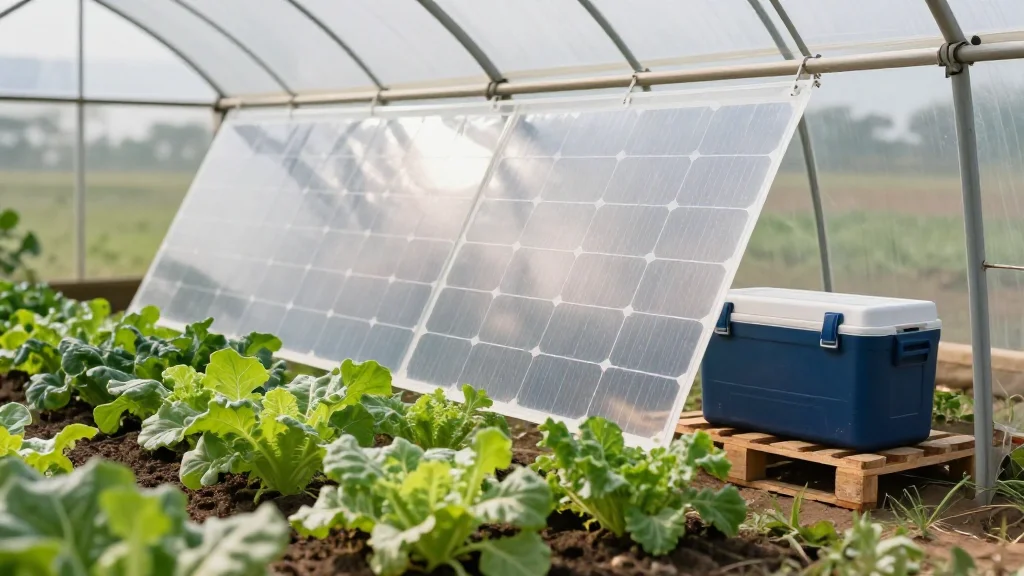
Agrivoltaics is emerging as a frontier where renewable energy and agriculture intersect, and NextGen Nano’s PolyPower film pushes the envelope with its transparent, flexible design and 85 percent energy efficiency. By embedding these panels into greenhouse roofs and tunnel covers, the company creates dual‑use surfaces that harvest sunlight while allowing optimal light transmission for crops. This approach aligns with a broader shift toward integrated infrastructure, especially in regions where land scarcity and grid limitations demand innovative solutions.
Beyond power generation, the West African pilot targets pressing public‑health concerns. Nutrient‑dense leafy vegetables such as amaranth and moringa are cultivated under controlled conditions, directly addressing vitamin A and iron deficiencies that contribute to childhood blindness and anemia. Simultaneously, the generated electricity powers refrigeration units for vaccines and medicines, strengthening cold‑chain logistics in remote clinics. By coupling food security with health‑care resilience, the project illustrates how agrivoltaic systems can deliver multi‑sector benefits that traditional farming or solar farms alone cannot achieve.
Financially, the £300 million rollout signals confidence from development banks, governments, and private investors in the commercial viability of organic photovoltaic technology. The World Bank’s forecast of a $1 trillion African agribusiness market by 2030 provides a massive addressable opportunity, while nearly 600 million people remain off‑grid. If the pilot demonstrates cost‑effective scalability, it could catalyze a wave of similar deployments across the continent and beyond, establishing a new asset class that merges renewable energy, food production, and essential services under a single, replicable model.
NextGen Nano plans £300m agrivoltaics programme
Comments
Want to join the conversation?
Loading comments...