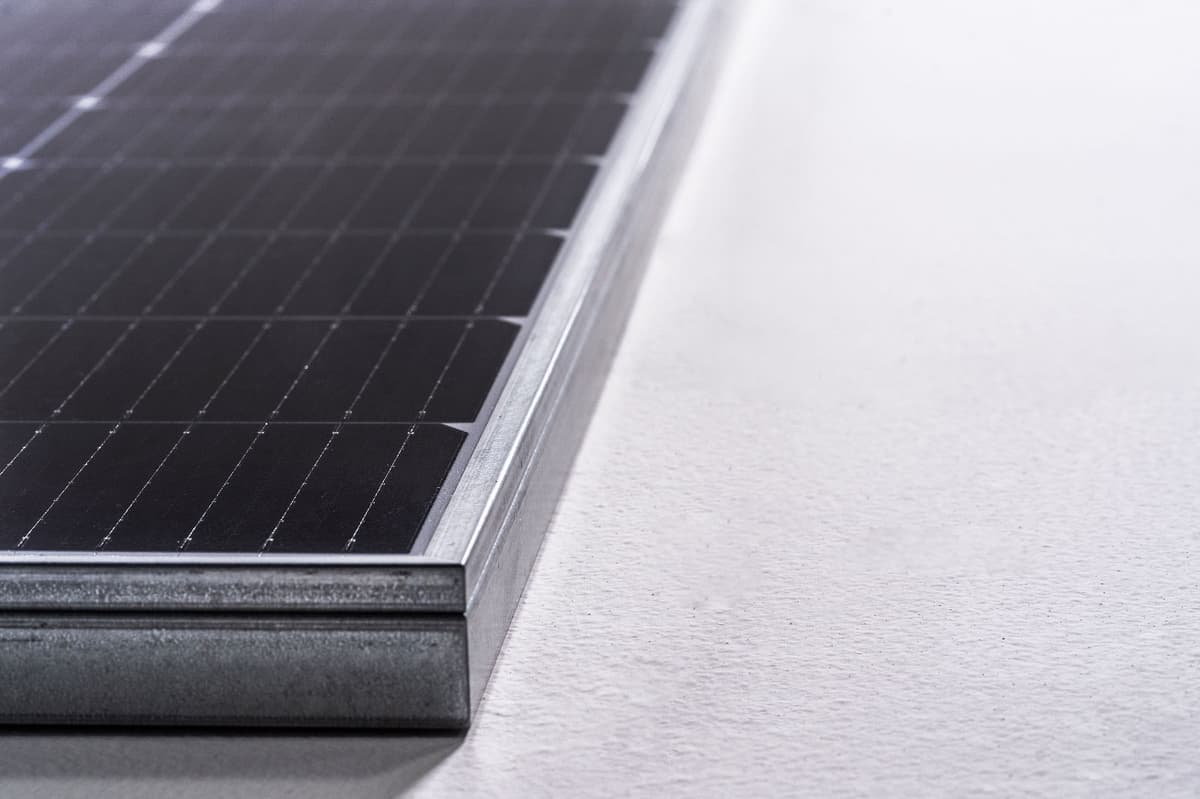
Nextpower to Supply Steel Frames to Jinko’s US Panel Assembly Operations
Why It Matters
The contract strengthens the domestic solar supply chain, boosts U.S. content credits, and improves long‑term module reliability for utility‑scale projects.
Key Takeaways
- •Nextpower to deliver >1 GW steel frames, up to 3 GW.
- •Supply supports Jinko’s Jacksonville plant, production by mid‑2026.
- •Steel frames increase tracker projects’ domestic content by 6%.
- •Expansion strengthens U.S. solar manufacturing and supply chain resilience.
- •Steel frames improve module durability and structural performance.
Pulse Analysis
The solar industry is gradually moving away from aluminum‑based trackers toward steel‑encased modules, a trend accelerated by recent Treasury guidance that rewards domestic content. Steel frames not only meet the 6 percent domestic‑content threshold for tracker projects, but they also offer superior torsional stiffness and lower deflection under wind loads. As manufacturers seek to lock in cost‑effective, resilient solutions, steel’s price stability and abundant U.S. supply chain make it an attractive alternative. Analysts estimate that steel‑frame adoption could grow to 30 percent of new utility‑scale tracker installations by 2028, driven by both performance data and policy incentives.
Nextpower’s multi‑year contract with Jinko Solar cements the company’s role as a primary steel‑frame supplier for the U.S. market. The agreement guarantees more than 1 GW of frames, with the option to scale to 3 GW by 2029, directly feeding Jinko’s Jacksonville, Florida, assembly line slated for mid‑2026 output. By expanding its manufacturing footprint in Memphis and other southeastern sites, Nextpower shortens logistics, lowers transportation costs, and reinforces a domestic supply loop that aligns with the Inflation Reduction Act’s tax credit criteria. This synergy enables Jinko to market modules that combine high durability with a clear “Made in America” pedigree.
The partnership signals a broader industry validation of steel frames as a durability‑focused, policy‑compatible technology. Independent testing has shown that steel‑encased modules sustain less deflection during high‑wind events, translating into longer warranty periods and lower O&M costs for utilities. As utility‑scale developers increasingly factor lifecycle performance into bid evaluations, the availability of domestically produced steel frames could become a decisive procurement criterion. Looking ahead, the scaling of steel‑frame capacity may spur further innovations in module design, potentially unlocking new cost curves for the next generation of U.S. solar projects.
Nextpower to supply steel frames to Jinko’s US panel assembly operations


Comments
Want to join the conversation?
Loading comments...