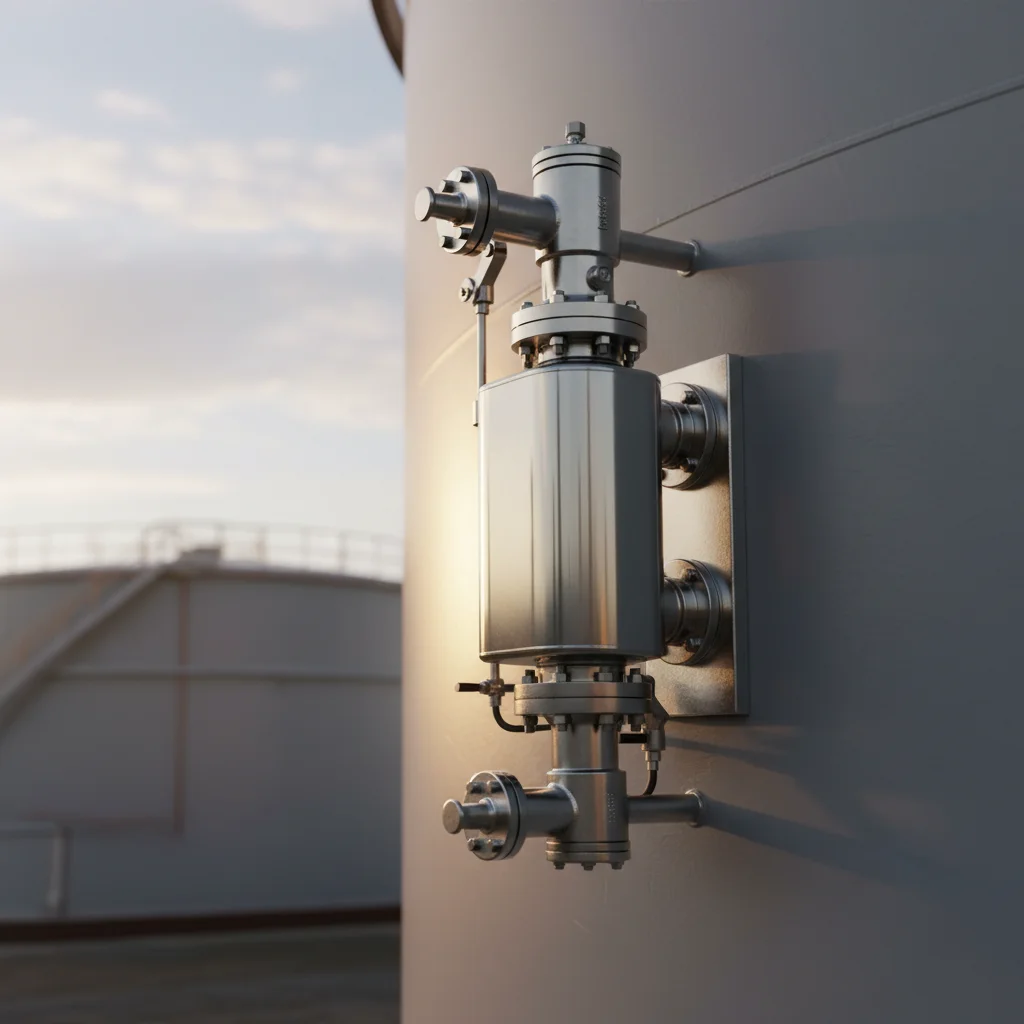
Non-Installation of Vapour Recovery System: NGT Dismisses BPCL's Appeal Against ₹1 Crore Fine
Why It Matters
The ruling reinforces strict enforcement of India’s environmental regulations on the oil sector, signaling that non‑compliance will attract substantial penalties and swift judicial backing. It also underscores the judiciary’s role in driving faster adoption of emission‑control technologies.
Key Takeaways
- •BPCL fined ₹1 crore (~$120k) for missing VRS deadline
- •NGT upheld CPCB's order, rejecting BPCL's appeal
- •Supreme Court ruling forces CPCB to enforce VRS installation
- •Non‑compliance risked release of harmful organic compounds
- •BPCL granted four‑week extension to pay the fine
Pulse Analysis
India’s push for cleaner fuel handling has intensified after the Supreme Court’s 2023 directive mandating the Central Pollution Control Board to enforce vapour recovery systems (VRS) at petroleum storage sites. VRS technology captures volatile organic compounds that would otherwise escape into the atmosphere, reducing both health hazards and greenhouse gas emissions. For oil majors like BPCL, installing VRS stage IA across dozens of terminals represents a significant capital outlay, but the environmental payoff aligns with global decarbonisation goals and domestic air‑quality targets.
The National Green Tribunal’s recent decision to uphold a ₹1 crore fine—roughly $120,000—highlights the judiciary’s willingness to back regulatory agencies when compliance lags. By dismissing BPCL’s appeal, the NGT affirmed that the CPCB acted within its statutory powers, especially after the Supreme Court clarified that extensions to the VRS deadline were not permissible. This legal reinforcement sends a clear message to the broader energy sector: environmental compensation orders are final, and attempts to delay compliance will face stiff resistance.
For the industry, the ruling may accelerate investment in emission‑control infrastructure, as firms anticipate tighter scrutiny and potential penalties. While the immediate financial impact of a $120,000 fine appears modest for a conglomerate like BPCL, the reputational risk and operational disruptions from non‑compliance could be far costlier. Companies are likely to prioritize VRS deployment, integrate real‑time monitoring, and improve reporting to avoid future fines, thereby fostering a more sustainable fuel supply chain across India’s rapidly growing market.
Non-installation of vapour recovery system: NGT dismisses BPCL's appeal against ₹1 crore fine
Comments
Want to join the conversation?
Loading comments...