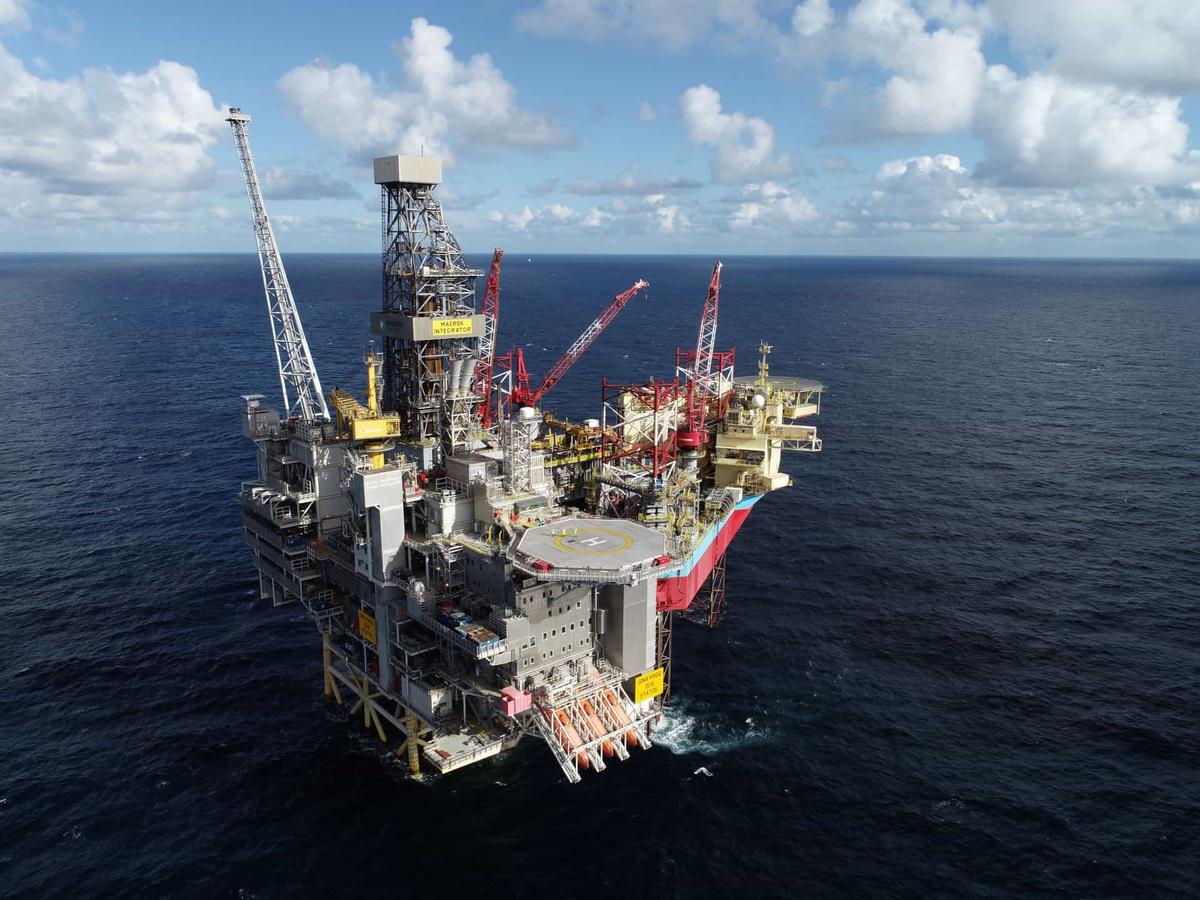
North Sea Field’s Start-Up Augments Europe’s Gas Arsenal 48-Years After Discovery
Why It Matters
Eirin quickly converts a marginal discovery into a new, low‑carbon gas source, bolstering Europe’s diversification away from Russian supplies and proving fast, cost‑effective offshore development.
Key Takeaways
- •Eirin field adds 270 mcm/year gas, extending Gina Krog to 2036
- •Project cost NOK 4.5 bn (~US$463 m) achieved in three years
- •Electrified platform cuts emissions to ~3 kg CO₂ per barrel
- •Gas delivered via Baltic Pipe strengthens Poland’s energy security
- •Subsea tie‑back showcases rapid, cost‑effective development of mature assets
Pulse Analysis
Norway has become Europe’s most reliable gas supplier since the 2022‑23 energy shock, and the Eirin field underscores that trend. Discovered in 1978 but shelved for decades, the field was reassessed after Russia’s invasion of Ukraine, prompting a swift investment decision in early 2023. By tying the subsea reservoir to the already electrified Gina Krog platform, Equinor and Orlen avoided the cost of a new surface facility, delivering gas to market in just three years and at a capital outlay of roughly US$463 million. The project’s rapid timeline highlights how mature offshore assets can be repurposed with minimal environmental impact, thanks to shore‑supplied renewable power that keeps emissions around 3 kg CO₂ per barrel of oil equivalent.
The technical approach leverages a subsea tie‑back to the Sleipner‑A hub, allowing Eirin’s 270 million cubic metres of annual gas output to flow directly into the existing North Sea export network. This integration extends the Gina Krog platform’s life by seven years, adding an estimated 9.7 million barrels of oil equivalent to the field’s cumulative recovery. The low‑carbon profile, combined with a streamlined decision‑making process that took only 4.5 months from investment approval to production, sets a benchmark for future marginal field developments across the Norwegian Continental Shelf.
Strategically, the gas is routed through the Nybro entry point into the Baltic Pipe, delivering a steady supply to Poland and reinforcing the broader European gas corridor. For Orlen, the partnership secures a domestic‑like source of gas, reducing reliance on volatile geopolitics. The success of Eirin signals that other dormant discoveries could be similarly revived, offering a cost‑effective pathway to augment Europe’s energy security while meeting decarbonisation goals.
North Sea field’s start-up augments Europe’s gas arsenal 48-years after discovery
Comments
Want to join the conversation?
Loading comments...