North Sea’s First Methane-Certified ‘Grade A’ Gas Project Launched by ONE-Dyas
Why It Matters
Grade A methane certification differentiates N05‑A in a market demanding transparent, low‑emission gas, unlocking premium pricing and regulatory compliance for European buyers.
Key Takeaways
- •First offshore gas project with MiQ Grade A certification.
- •50 Bcm recoverable resources across Dutch and German waters.
- •Platform powered entirely by renewable offshore wind electricity.
- •Certification enhances marketability to low‑emission gas buyers.
- •Sets benchmark for methane‑controlled offshore production in Europe.
Pulse Analysis
Methane emissions have become a focal point for regulators, investors, and energy buyers, prompting the industry to adopt rigorous measurement and verification standards. MiQ’s Grade A certification, awarded after an independent Intertek audit, signals that a project’s methane intensity meets the highest tier of transparency and performance. This framework not only satisfies tightening EU climate directives but also provides a credible data set that can be leveraged in sustainability reporting and ESG assessments, positioning certified assets as preferred supply sources.
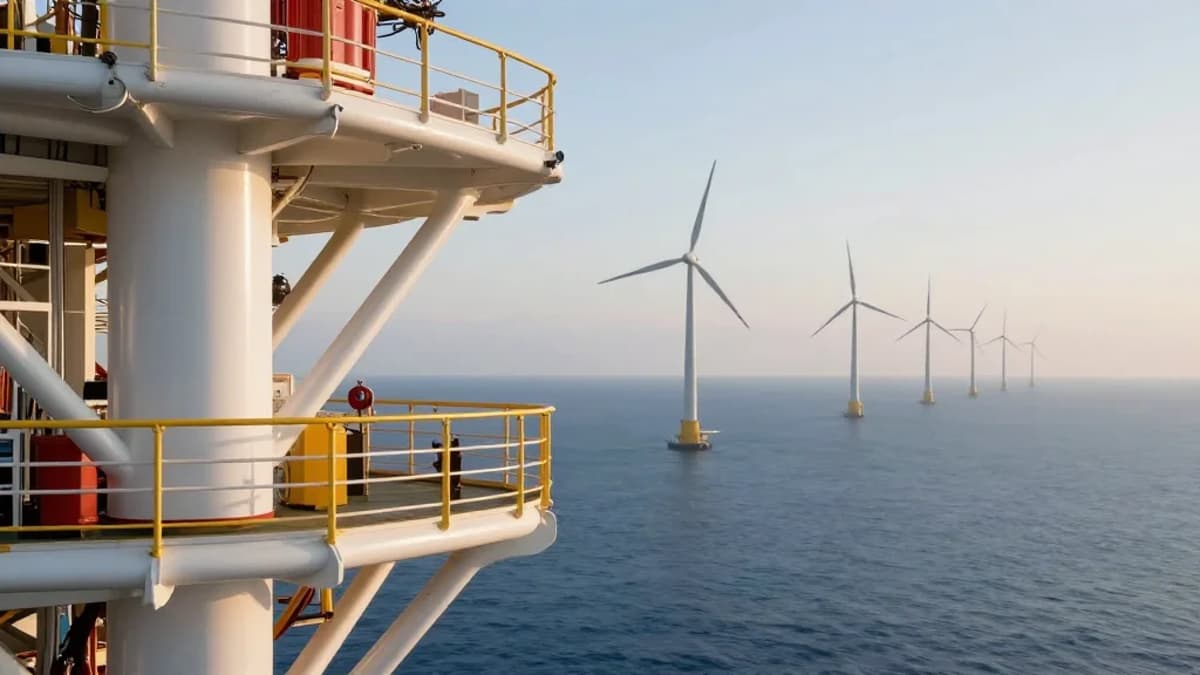
The N05‑A installation distinguishes itself by coupling offshore gas extraction with a fully electrified operating model. By sourcing all power from the nearby Riffgat offshore wind farm via subsea cable, the platform eliminates diesel generators, reducing both direct CO₂ emissions and indirect methane slip associated with combustion‑based equipment. This renewable‑powered approach, combined with stringent operational controls, drives the low methane intensity required for Grade A status. The project’s 50 billion cubic metres of recoverable gas, now certified as low‑emission, offers a tangible example of how electrification can reconcile fossil‑fuel production with climate goals.
For European utilities and industrial consumers, the certified gas presents a differentiated product that can meet emerging low‑carbon procurement mandates. Buyers can now trace emissions back to the wellhead, supporting corporate net‑zero targets and satisfying mandatory disclosure regimes. The market response is likely to manifest as premium pricing for Grade A gas and increased investor confidence in offshore projects that adopt similar decarbonisation pathways. As more operators pursue MiQ certification, the N05‑A benchmark may accelerate a broader shift toward electrified, methane‑controlled offshore production across the continent.
North Sea’s first methane-certified ‘Grade A’ gas project launched by ONE-Dyas


Comments
Want to join the conversation?
Loading comments...