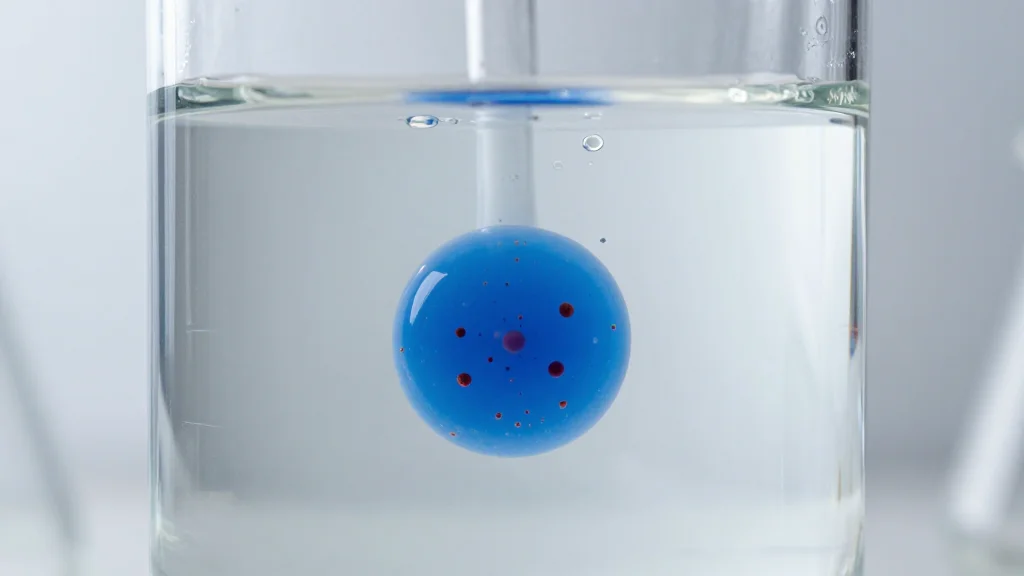
Northwestern Chemists Convert Methane to Methanol in Single-Step Plasma Process

Why It Matters
Methanol is a cornerstone of the global chemicals industry and is increasingly viewed as a transitional fuel for shipping and power generation. The current production pathway is energy‑intensive and a major source of CO₂, limiting the sector’s ability to meet climate targets. By offering a low‑temperature, low‑pressure alternative that can be powered by renewables, the plasma‑bubble reactor could cut both operating costs and emissions, accelerating the decarbonization of a massive industrial segment. Beyond cost and emissions, the technology could democratize methanol production. Smaller, modular reactors would lower the capital threshold for new entrants, fostering competition and resilience in supply chains that are currently dominated by a handful of large integrated producers. This shift could also enable regions with abundant natural gas but limited infrastructure to generate high‑value chemicals locally, supporting economic development while reducing transport‑related emissions.
Key Takeaways
- •Northwestern researchers convert methane to methanol in a single step using plasma bubbles and copper‑oxide catalyst.
- •Process operates at ambient pressure and low temperature, avoiding the 800 °C, 200‑300 atm conditions of conventional steam‑reforming.
- •Global methanol production exceeds 110 million metric tons annually, underpinning plastics, adhesives and emerging clean‑fuel markets.
- •The new method could lower energy consumption and CO₂ emissions if powered by renewable electricity.
- •Next steps include scaling the reactor, improving energy efficiency and demonstrating continuous operation.
Pulse Analysis
The plasma‑driven methane‑to‑methanol conversion arrives at a moment when the chemicals sector is under pressure to decarbonize. Historically, the industry’s reliance on steam‑reforming has locked it into a high‑energy, high‑emissions paradigm that is difficult to retrofit with renewables. By sidestepping the thermodynamic ceiling of conventional processes, the Northwestern team introduces a fundamentally different reaction pathway that leverages electrical energy—an increasingly low‑cost, carbon‑free input in many regions.
From a market perspective, the breakthrough could erode the competitive advantage of incumbent producers that have invested heavily in large‑scale, high‑pressure reactors. If the plasma technology can achieve comparable throughput at lower capital expense, it may catalyze a wave of modular plants, especially in gas‑rich basins where pipeline infrastructure is limited. This decentralization would not only diversify supply but also reduce transportation emissions associated with moving raw natural gas to centralized facilities.
However, the path to commercialization is fraught with challenges. The current laboratory setup consumes significant electricity, and the overall energy efficiency—measured as kilowatt‑hours per kilogram of methanol—must be competitive with the heat‑fuel mix of steam‑reforming. Moreover, catalyst longevity and reactor fouling under continuous operation remain open questions. Investors and industry players will likely fund pilot projects that integrate renewable power sources, seeking to validate both the economic and environmental claims. If successful, the technology could become a cornerstone of a greener chemicals economy, linking abundant natural gas reserves with the clean‑energy transition.
Northwestern chemists convert methane to methanol in single-step plasma process
Comments
Want to join the conversation?
Loading comments...