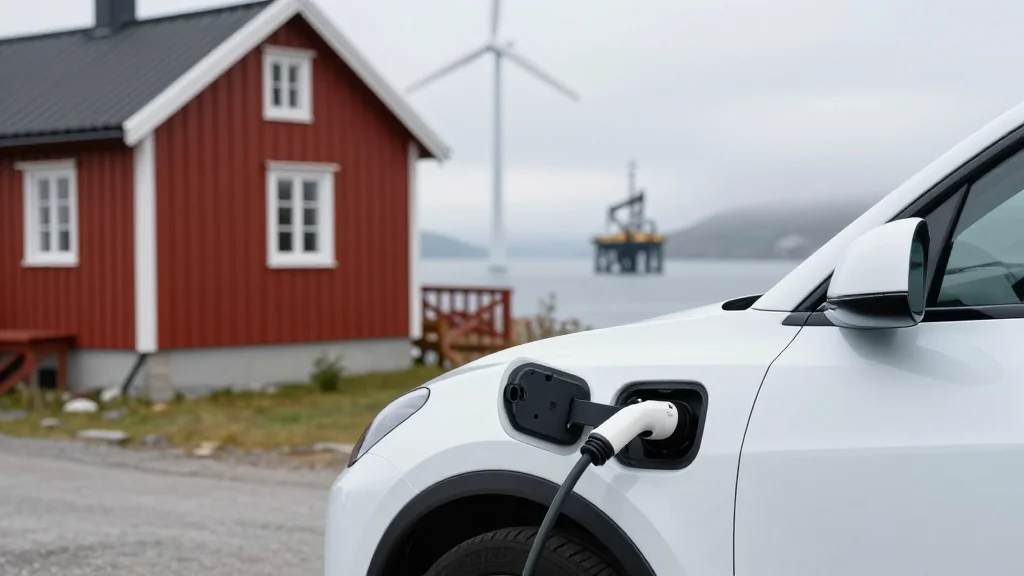
Norway Can Teach the UK About Energy Security – but the Lesson Is Not More North Sea Drilling
Why It Matters
Shifting UK consumption toward electricity reduces vulnerability to oil‑gas price swings and avoids costly, long‑lead‑time fossil‑fuel projects. It also aligns with net‑zero objectives while enhancing supply resilience.
Key Takeaways
- •Norway’s oil/gas share in energy mix is 42% vs UK’s 75%
- •Heat pumps in Norway are 662 per 1,000 homes; UK has 24
- •UK new oil/gas projects need ~15 years to produce
- •EVs make up 32% of Norway’s fleet, under 6% in UK
- •Electrification could cut UK fossil fuel imports by roughly 50%
Pulse Analysis
The geopolitical fallout from the US‑Israel strikes on Iran has reignited concerns over energy security, especially for import‑dependent nations like the United Kingdom. While the North Sea still supplies roughly half of the UK’s oil and gas consumption, global market dynamics dictate price, leaving households and industry exposed to sudden spikes. Norway’s experience demonstrates that a nation can be a net exporter of fossil fuels yet keep domestic consumption low by prioritising electricity for heating, transport and industry. This model reduces reliance on volatile overseas supplies and creates a buffer against geopolitical disruptions.
Norway’s transition was driven by deliberate policy tools: generous subsidies for heat‑pump installation, training programmes for installers, and a clear regulatory roadmap that encouraged electric vehicle adoption. Today, Norway boasts 662 heat pumps per 1,000 homes and electric vehicles account for 32% of its passenger‑car fleet, with EVs making up 98% of new car sales. These figures contrast sharply with the UK’s 24 heat pumps per 1,000 homes and under‑6% EV penetration. The Norwegian state’s stake in Equinor also provides fiscal capacity to fund the electrification push—an advantage the fully privatized UK oil sector lacks.
For the UK, the path forward lies in replicating the structural elements of Norway’s success rather than chasing new North Sea licences. Accelerating heat‑pump retrofits, bolstering building‑insulation standards, and expanding EV charging infrastructure can collectively shift a larger share of energy demand onto electricity, which is increasingly sourced from renewables. While upfront costs and grid upgrades pose challenges, the long‑term payoff includes reduced import dependence, lower emissions, and a more resilient energy system. Policymakers should therefore focus on targeted incentives, streamlined permitting, and public‑private partnerships to fast‑track electrification, positioning the UK for a more secure and sustainable energy future.
Norway can teach the UK about energy security – but the lesson is not more North Sea drilling
Comments
Want to join the conversation?
Loading comments...