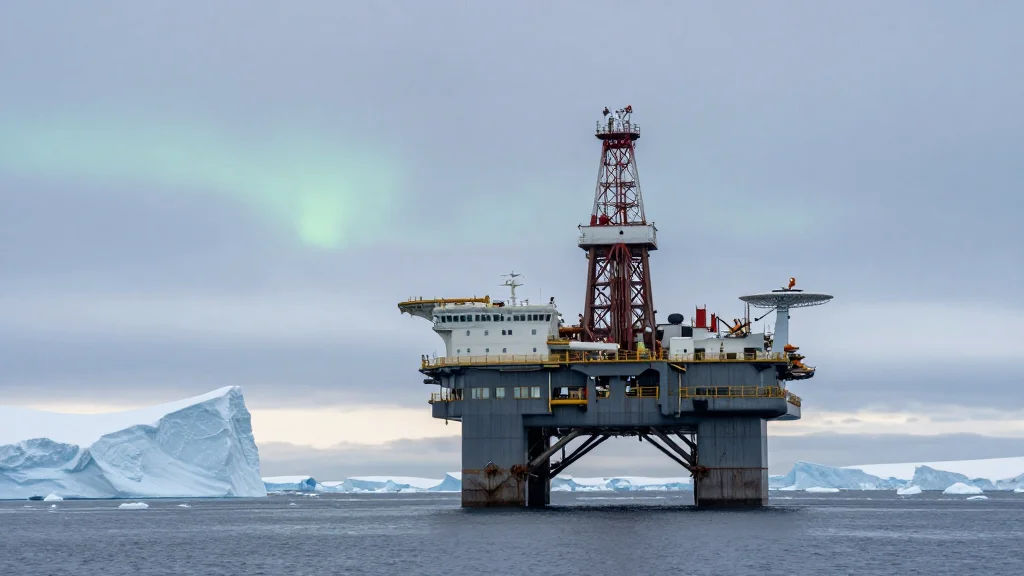
Norway Challenges EU to Call US Gas ‘Safer’ than Arctic Reserves
Why It Matters
If the EU reclassifies US LNG as a lower‑risk fuel, it could shift investment toward American projects and away from Arctic extraction, reshaping Europe’s energy mix and climate strategy. The decision also highlights how supplier nations leverage regulatory language to protect market share.
Key Takeaways
- •Norway urges EU to deem US LNG safer.
- •EU currently classifies all fossil fuels equally.
- •Arctic gas extraction poses higher environmental risks.
- •US LNG seen as bridge to decarbonisation.
- •Norway balances climate goals with gas export revenue.
Pulse Analysis
The European Union’s energy taxonomy has become a battlefield for competing narratives about what constitutes a "green" or "low‑risk" fuel. While the bloc currently groups all fossil fuels under a single, high‑risk category, Norway’s appeal to re‑label US liquefied natural gas as safer reflects a strategic effort to carve out a niche for imported gas that can serve as a transitional bridge to renewable energy. By distinguishing US LNG from Arctic offshore gas, Norway hopes to influence EU procurement rules, potentially unlocking financing and market access for American projects that meet stricter environmental standards.
Norway’s stance is rooted in both environmental and geopolitical calculations. Arctic gas extraction carries heightened risks, including oil spills, methane leaks, and disruption of fragile marine ecosystems. In contrast, US LNG facilities are often situated onshore or in well‑regulated coastal zones, offering clearer pathways for emissions monitoring and carbon capture. Moreover, aligning with US energy exports strengthens Norway’s diplomatic ties with Washington, a crucial ally in the broader contest over energy security amid Russia’s reduced gas supplies to Europe.
The implications extend beyond regulatory semantics. Should the EU adopt a differentiated classification, investors may redirect capital toward US LNG projects, accelerating the construction of new terminals and pipelines. This shift could diminish demand for Arctic gas, easing pressure on the delicate polar environment while providing Europe with a more diversified supply portfolio. For Norway, the move balances its ambition to meet climate targets with the economic reality of remaining a major gas exporter, illustrating how policy framing can influence global energy flows and the race toward decarbonisation.
Norway challenges EU to call US gas ‘safer’ than Arctic reserves
Comments
Want to join the conversation?
Loading comments...