Why It Matters
The dry result underscores the geological risk in mature North Sea blocks and may delay development of the Skoll and Hati prospects, affecting partner capital allocation and Norway’s production outlook.
Key Takeaways
- •34/8‑A‑37 H drilled to 6,662 m measured depth, classified as dry
- •Hydrocarbon shows found in Statfjord and Lunde formations
- •29th well in licence 120, operated by Equinor with three partners
- •Plugged and abandoned; future exploration may be reassessed
Pulse Analysis
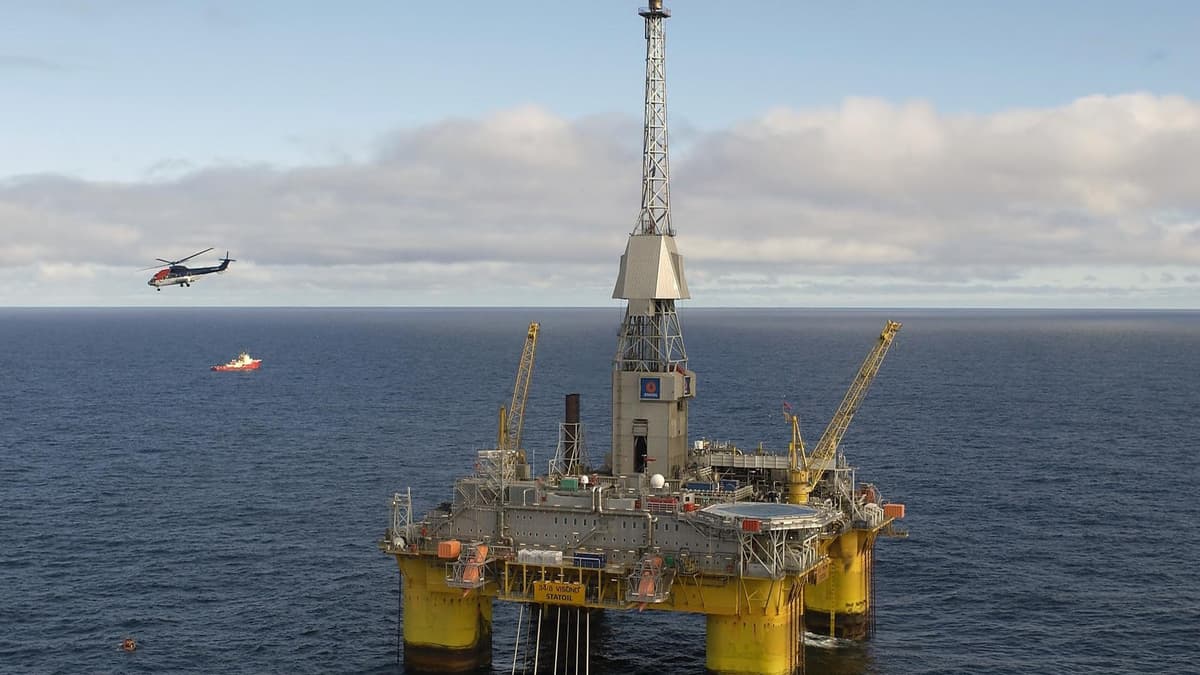
Norway’s North Sea remains a cornerstone of European energy supply, with production licences dating back to the mid‑1980s still generating new drilling campaigns. Licence 120, awarded in August 1985, covers the Skoll and Hati prospects roughly 140 km west of Florø. Equinor, Norway’s state‑owned champion, continues to lead exploration from the Visund A platform, leveraging existing infrastructure to keep costs competitive. The recent wildcat, 34/8‑A‑37 H, represents the 29th well the consortium has sunk into this mature block, reflecting a long‑term commitment to uncovering untapped reserves.
The well was drilled to a vertical depth of 3,081 m and a measured depth of 6,662 m, intersecting both the Statfjord Group and the Lunde Formation. While the Statfjord sandstones displayed good reservoir quality and the Lunde layers showed moderate to good quality, hydrocarbon shows were insufficient to declare a commercial discovery, leading to a dry‑well classification. Plugging and abandonment were completed promptly, but the effort still incurred multi‑million‑dollar expenses, underscoring the financial risk inherent in deep‑water exploration even with advanced seismic data.
From a strategic perspective, the dry outcome may prompt the partners—Equinor, Repsol, ConocoPhillips and Petoro—to recalibrate their drilling schedule and allocate capital toward higher‑probability targets elsewhere in the North Sea. Nonetheless, the presence of hydrocarbon shows suggests that the reservoir architecture is not entirely barren, keeping the prospects viable for future appraisal or sidetrack wells. Investors will watch how the consortium integrates this data into its field development plan, as any delay could modestly temper Norway’s incremental production forecasts for the coming decade.
Norway: Dry well in license awarded in 1985
Comments
Want to join the conversation?
Loading comments...