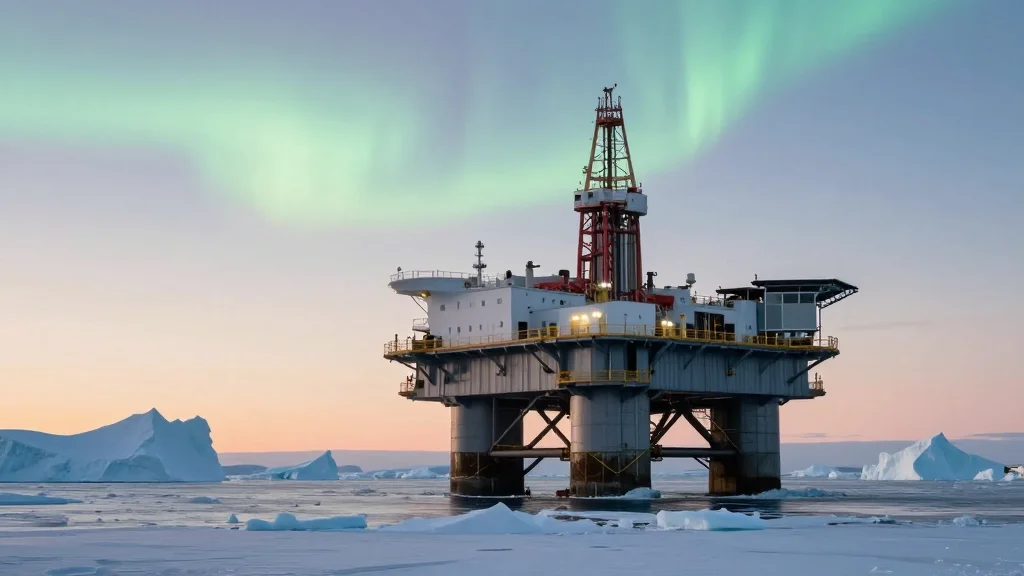
Norway’s Oil Export Earnings Surge 68% to $6.1 Bn as Iran War Fuels Prices

Why It Matters
The surge in Norway’s oil earnings illustrates how geopolitical shocks can rapidly re‑price global energy markets, benefitting exporters outside the conflict zone. For Europe, Norway’s windfall provides a short‑term buffer against supply disruptions, but also underscores the continent’s dependence on external oil sources. Long‑term, the shift toward Arctic offshore development signals a strategic pivot that could reshape global supply dynamics, especially as mature North Sea fields wind down. Furthermore, the episode highlights the political dimension of energy security: comments from high‑profile figures like Donald Trump amplify the narrative that Western energy markets are being reshaped by Middle‑East instability. Policymakers will need to balance short‑term price gains with the environmental and logistical challenges of Arctic extraction, while investors watch for how quickly new discoveries can be monetised.
Key Takeaways
- •Norway’s crude‑oil export revenue hit 57.4 bn kroner ($6.1 bn) in March, up 68% YoY.
- •Average oil price reached 1,014 kroner ($107.52) per barrel, the highest since Sep 2023.
- •Natural‑gas export revenues rose 19% to over 69 bn kroner ($7.3 bn).
- •Trade surplus climbed to 97.5 bn kroner ($10.3 bn), a 2023 peak.
- •Barents Sea holds ~80% untapped resources; Norwegian Sea ~50% remains undiscovered.
Pulse Analysis
The March earnings spike is less a sign of structural strength than a symptom of a temporary price shock. Historically, Norway’s oil revenue growth has been modest, tracking global price trends rather than outpacing them. The current surge, driven by the Iran war, is likely to recede if the conflict de‑escalates or if OPEC adjusts output to stabilise prices. However, Norway’s proactive push into the Barents and Norwegian Seas could create a new growth engine, albeit one fraught with higher capital costs, harsher operating conditions, and heightened environmental scrutiny.
From a market‑share perspective, Norway is positioning itself as a reliable alternative to Middle‑East supplies for Europe. The country’s ability to lock in longer‑term contracts at premium prices could lock in revenue streams that offset the inevitable decline of North Sea production. Yet, the Arctic push also introduces geopolitical risk, as Russia and other Arctic stakeholders may contest expanded Norwegian activity.
Investors should watch two key metrics: the speed of development approvals for Barents Sea projects and the trajectory of global oil prices post‑conflict. If Norway can bring new Arctic fields online within the next five years, it could sustain a higher revenue baseline and reinforce Europe’s energy security. Conversely, a rapid price correction or regulatory setbacks in the Arctic could return Norway to a more modest growth path, making the March surge a fleeting blip rather than a new norm.
Norway’s Oil Export Earnings Surge 68% to $6.1 bn as Iran War Fuels Prices
Comments
Want to join the conversation?
Loading comments...