Norway’s Sovereign Wealth Fund — Built Entirely From Oil Revenue — Is Now the Single Largest Investor in the Global Energy Transition, and It Owns Roughly 1.5% of Every Publicly Traded Company on Earth
Companies Mentioned

Why It Matters
The fund’s scale and patient capital reshape global capital flows, accelerating the financing of the energy transition and forcing corporations worldwide to improve ESG transparency.
Key Takeaways
- •Fund holds ~1.5% of every listed global company.
- •Largest institutional investor in energy transition assets worldwide.
- •Capital originates from Norway’s oil and gas revenues since 1996.
- •Long‑term mandate drives shift from fossil equities to renewables.
- •Exclusion list targets coal, tobacco, munitions, not major oil majors.
Pulse Analysis
Norway’s Government Pension Fund Global, created in 1996 by channeling all state petroleum revenues, now controls roughly 1.5 % of every publicly traded company, amounting to stakes in about 9,000 firms across 70 countries. The fund’s principal is legally untouchable; only the expected real return may be drawn for the national budget, forcing a perpetual, intergenerational investment horizon that extends well beyond typical five‑year asset‑manager cycles. This unique architecture turns a depleting oil resource into a permanent claim on the global productive economy.
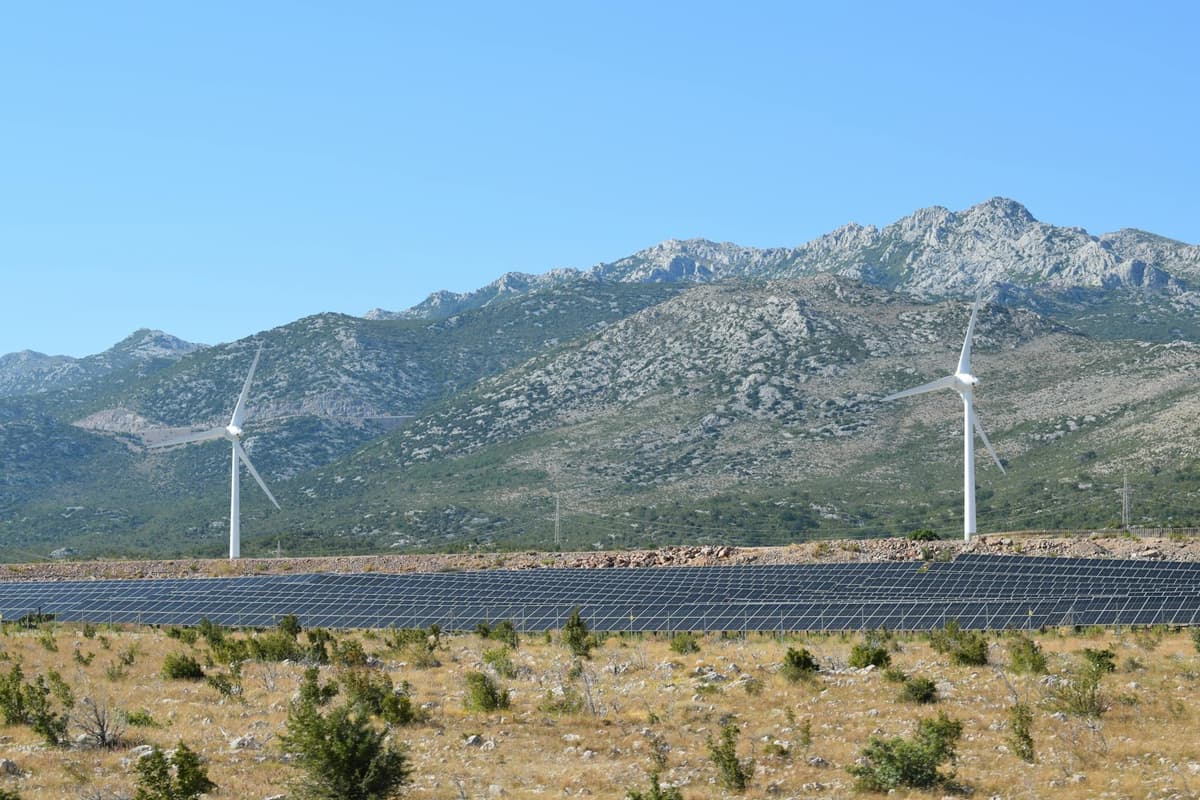
Over the past decade the fund has become the world’s largest single institutional investor in the energy transition, allocating billions of dollars to solar, wind, grid‑storage and electrification companies, as well as direct stakes in unlisted renewable infrastructure such as Dutch offshore wind farms and Spanish solar arrays. The shift is not driven by moral licensing but by a disciplined, long‑duration risk‑management view: fossil‑fuel equities lose relative value over a 40‑year horizon, while renewable assets promise more stable, inflation‑linked cash flows. This mirrors a broader industry trend where ESG considerations are now core to investment models rather than optional add‑ons.
The fund’s 1.5 % ownership gives it outsized voting power, allowing it to push for greater ESG transparency and climate‑aligned strategies across a swath of corporations. Its exclusion list—targeting coal, tobacco, cluster munitions and severe environmental violators—demonstrates a pragmatic, actuarial approach rather than pure virtue signaling. By redeploying oil‑derived surplus into the very infrastructure that will replace hydrocarbons, Norway illustrates how patient sovereign capital can finance systemic change. Other sovereign wealth funds and pension plans are likely to emulate this model as they confront similar generational budgeting pressures.
Norway’s sovereign wealth fund — built entirely from oil revenue — is now the single largest investor in the global energy transition, and it owns roughly 1.5% of every publicly traded company on Earth
Comments
Want to join the conversation?
Loading comments...