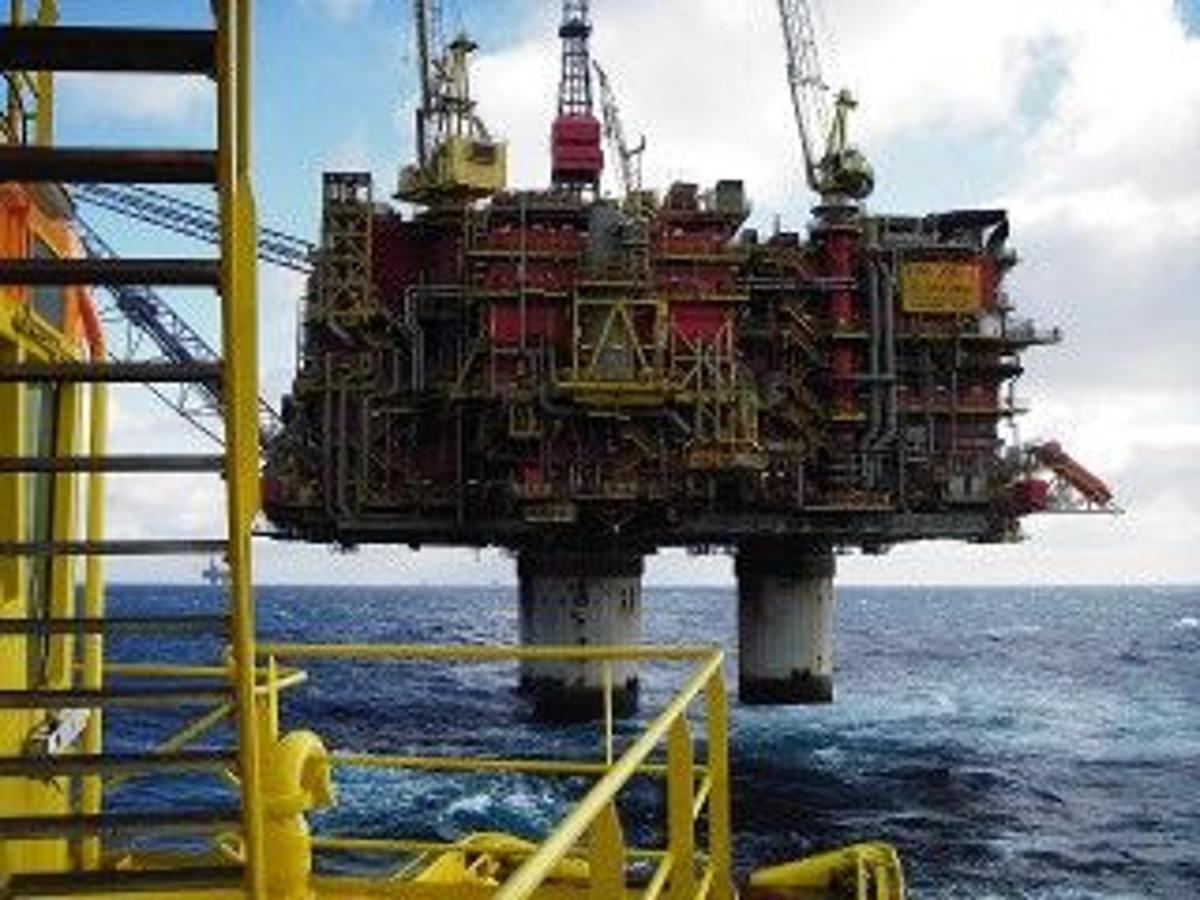
Norway's Underwater Wealth. How the Land of Fjords Protects Its Treasure?
Why It Matters
The security of Norway’s offshore gas and oil assets is pivotal for European energy stability, and heightened Russian aggression threatens both supply continuity and regional geopolitical balance.
Key Takeaways
- •Norway's gas shelf yields >$110 M daily, 30% EU/UK supply
- •2026 petroleum cash flow projected at $74 B, up from 2025
- •Russia threatens sabotage of subsea pipelines, cables, and rigs
- •Norway earmarks $12.6 B for new submarines, frigates, and ASW helicopters
- •NATO creates Far‑North hub to protect critical underwater infrastructure
Pulse Analysis
Norway’s offshore petroleum sector remains a cornerstone of European energy security, delivering roughly a third of the EU and United Kingdom’s natural‑gas consumption. The fiscal impact is substantial: daily revenues exceed $110 million and the government forecasts net cash flows of $74 billion for 2026, reinforcing the country’s fiscal surplus and funding for public services. This economic weight, however, makes the continental shelf a high‑value target for hostile actors seeking to disrupt Europe’s energy supply chain.
Since early 2026, Russian hybrid tactics have escalated, ranging from sophisticated cyber‑attacks on critical infrastructure to unprecedented GPS‑signal interference in Norway’s northern regions. Intelligence agencies report increased espionage, seabed mapping by civilian vessels, and attempts to recruit Ukrainian refugees for intelligence work. These activities aim to undermine the integrity of subsea pipelines, fiber‑optic cables, and drilling platforms, echoing the sabotage of Nord Stream and Balticconnector that exposed the vulnerability of underwater assets.
In response, Norway is investing roughly $12.6 billion to overhaul its naval capabilities, commissioning four Type 212CD submarines built with Germany, acquiring British Type 26 frigates, and adding anti‑submarine helicopters. The partnership with the United Kingdom, highlighted by joint visits to the RFA Proteus and the coast‑guard vessel Bison, signals a strategic shift toward regional cooperation. Coupled with NATO’s establishment of a Far‑North hub for critical underwater infrastructure protection, these measures aim to deter aggression, secure energy flows, and preserve stability across the Arctic and broader European markets.
Norway's underwater wealth. How the land of fjords protects its treasure?
Comments
Want to join the conversation?
Loading comments...