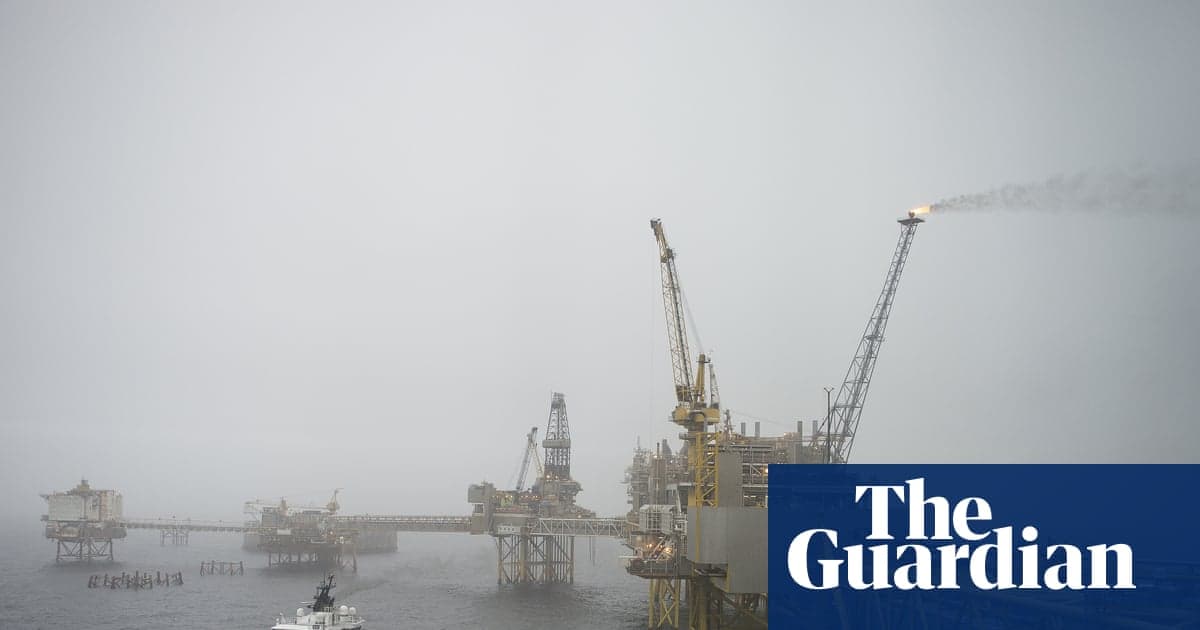
Norwegian Government Attacked over Decision to Reopen North Sea Gasfields
Why It Matters
Reactivating the gasfields secures short‑term European energy supplies but deepens Norway’s reliance on fossil fuels, intensifying the climate‑policy debate and influencing regional energy markets.
Key Takeaways
- •Norway will spend ~ $2 bn to restart three North Sea gasfields
- •70 new offshore areas opened for exploration, licences due Sept 1
- •Equinor’s Q1 output rose 9%, hitting 2.31 m boe/d
- •Critics label the move greenwashing, warning of marine risks
- •Gas will flow to Germany, oil to the UK via pipelines
Pulse Analysis
The timing of Norway’s decision reflects a broader geopolitical shockwave. After the US‑Israel strike on Iran, oil and gas prices surged, prompting European nations to scramble for secure supplies. Norway, already a key gas exporter, positioned itself as a stabilising force by pledging to revive dormant fields and expand its offshore licence pool. This strategy not only cushions Europe from Middle‑East disruptions but also leverages record production gains at state‑owned Equinor, which logged a 9% rise in output in Q1, delivering 2.31 million barrels of oil‑equivalent per day.
Domestically, the policy has ignited a political firestorm. Opposition parties and environmental NGOs argue the move contradicts Norway’s climate commitments and risks severe marine impacts, especially as new licences push drilling closer to shorelines. The government defends the plan as essential for long‑term energy security, citing the need to offset reduced Russian supplies after the Ukraine war and to provide stable gas to Germany. The $2 billion investment underscores the high stakes of balancing economic benefits—job creation and export revenue—against escalating climate pressures.
Looking ahead, the reopening of the Albuskjell, Vest Ekofisk and Tommeliten Gamma fields will shape Europe’s energy landscape through 2048. While the gas will bolster German supply chains, the associated oil exports to the UK could influence British market dynamics amid its own fossil‑fuel licensing debates. Analysts will watch how Norway’s expanded exploration agenda interacts with global decarbonisation trends, potentially setting a precedent for other oil‑rich nations navigating the tension between short‑term security and long‑term sustainability.
Norwegian government attacked over decision to reopen North Sea gasfields
Comments
Want to join the conversation?
Loading comments...