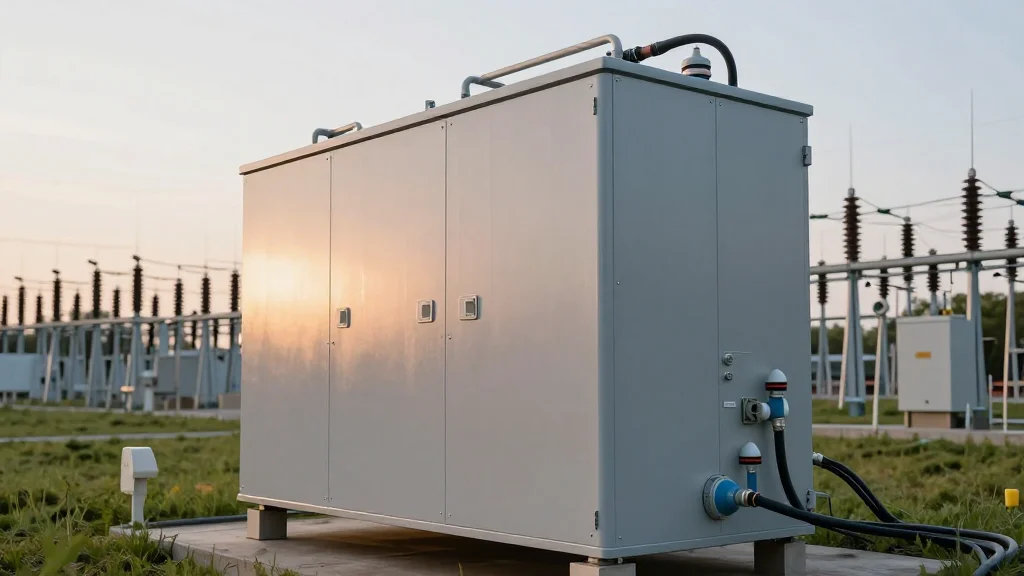
Not-for-Profit Utilities Turn to Energy Storage as Data Centers Drive Cost, Reliability Concerns
Companies Mentioned
Why It Matters
Energy storage gives non‑profit utilities a cost‑effective tool to manage price spikes and reliability without a regulated return on capital, directly protecting member rates. The shift bolsters grid resilience and accelerates renewable integration across the U.S. power sector.
Key Takeaways
- •Cooperatives testing residential batteries to cut wholesale power costs.
- •Rural co‑ops hold 439 MW storage, aiming to triple by 2028.
- •Peak‑shaving storage reduces demand charges and defers grid upgrades.
- •Remote utilities use BESS to avoid $20k‑per‑day fuel losses.
- •Investor‑owned pilots spark debate over utility‑owned vs. customer‑owned storage.
Pulse Analysis
Rising wholesale electricity prices, driven in part by data‑center demand, have forced not‑for‑profit utilities to look beyond traditional demand‑response programs. Battery energy storage systems (BESS) offer a dual benefit: they can be charged when wholesale rates are low and discharged during price spikes, directly lowering members’ bills. As battery costs continue to fall and energy‑density improves, cooperatives are increasingly comfortable testing behind‑the‑meter solutions, such as the residential pilots at Meeker Energy, which promise resilience and a new revenue stream without the fuel‑cost risk of propane generators.
Across the United States, cooperative utilities are deploying storage at both the customer and distribution‑level. Projects range from Guadalupe Valley’s discounted residential battery rollout, slated to grow from 2 MW to 50 MW, to Blue Ridge Power Agency’s 25 MW of distribution‑connected storage that charges during off‑peak periods. In Tennessee, EPB’s 45 MW/95 MWh front‑of‑the‑meter batteries shave demand peaks, reducing its monthly demand charge from the Tennessee Valley Authority, which can represent a third of its power costs. Remote utilities, from Alaska’s Homer Electric Association to Hawaii’s Kaua‘i Island Cooperative, use multi‑megawatt BESS installations to avoid costly fuel burn during outages, saving millions over project lifetimes.
The broader industry sees these cooperative initiatives as a proving ground for larger‑scale storage strategies. While investor‑owned utilities like Xcel Energy test utility‑owned virtual power plants, cooperatives favor customer‑owned assets that keep financial risk with ratepayers but deliver clear, quantifiable savings. As the National Rural Electric Cooperative Association projects a three‑fold increase in storage capacity by 2028, policymakers and regulators are watching to ensure that incentives align with reliability goals without distorting market competition. The rapid adoption of storage by non‑profit utilities signals a pivotal shift toward a more resilient, cost‑effective, and renewable‑friendly grid.
Not-for-profit utilities turn to energy storage as data centers drive cost, reliability concerns
Comments
Want to join the conversation?
Loading comments...