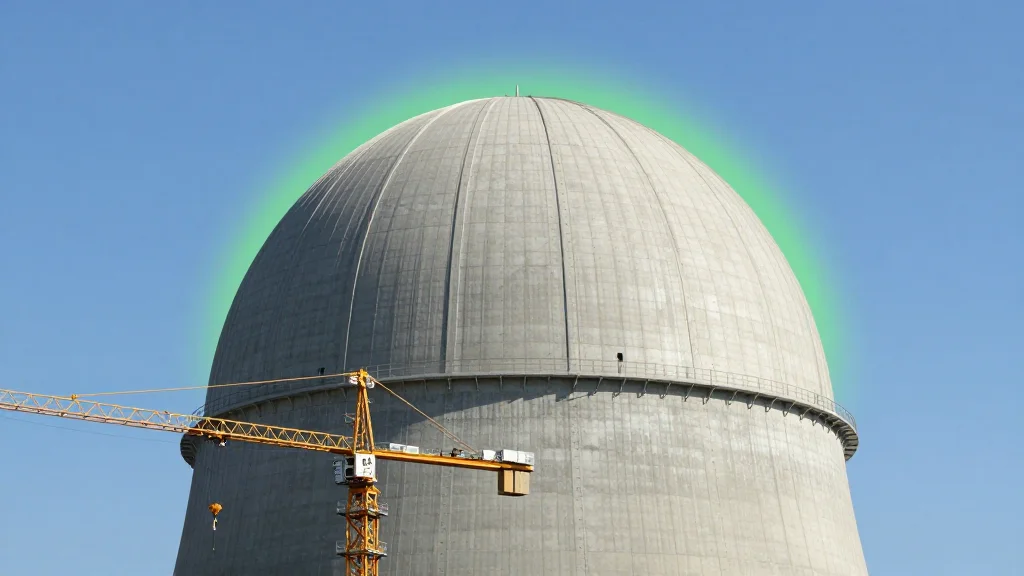
Nuclear Past and Present Collide in Ontario’s Port Hope – by Rob Ferguson (Toronto Star – April 13, 2026)
Key Takeaways
- •$2.6 billion cleanup (≈ $1.9 billion USD) runs through 2032.
- •Ontario plans 10,000 MW nuclear plant near Port Hope.
- •Cleanup addresses soil from WWII-era uranium refining for Manhattan Project.
- •Residents face health concerns amid new power‑station proposal.
- •Project underscores Canada’s shift toward low‑carbon electricity.
Pulse Analysis
Port Hope’s quiet streets mask a complex nuclear legacy. During World War II, Eldorado Nuclear refined uranium that powered the Manhattan Project, leaving behind decades of low‑level radioactive waste. Today, a $2.6 billion (about $1.9 billion USD) federal remediation effort is scrubbing contaminated soil from residential areas, schools and parks, a process now slated to continue until 2032. The cleanup underscores the long‑term environmental costs of early atomic‑age activities and the regulatory challenges of managing legacy sites in densely populated regions.
Against this backdrop, the Ontario government is pushing forward with one of the world’s largest nuclear power projects—a 10‑gigawatt, 10,000‑megawatt facility slated for the Port Hope outskirts. The plant is positioned as a cornerstone of the province’s strategy to replace aging fossil‑fuel generation and meet ambitious carbon‑reduction targets. By adding a massive baseload of clean energy, the project promises job creation, stable electricity rates, and a hedge against future energy shortages, aligning with broader North American trends toward expanding nuclear capacity as a low‑carbon bridge.
For local residents, the simultaneous presence of a historic cleanup and a future megaproject creates a palpable tension. While some view the new plant as an economic lifeline, others worry about cumulative health risks, increased traffic and the psychological impact of living near both a remediation zone and a high‑security nuclear site. The situation serves as a microcosm of Canada’s broader dilemma: balancing the urgent need for clean, reliable power with the responsibility to remediate past environmental harms. How policymakers navigate this balance will shape public confidence in nuclear energy and set precedents for future projects across the country.
Nuclear past and present collide in Ontario’s Port Hope – by Rob Ferguson (Toronto Star – April 13, 2026)
Comments
Want to join the conversation?