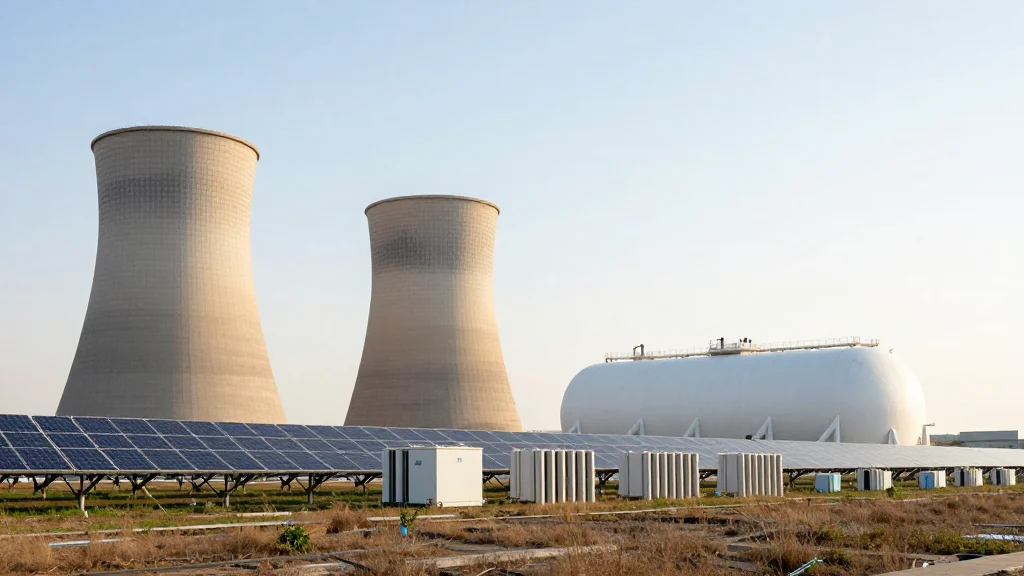
Nuclear Power Plants in Germany: What Happens to Former Nuclear Sites After the Nuclear Phase-Out
Companies Mentioned
Why It Matters
Reusing nuclear sites accelerates Germany’s renewable rollout and preserves valuable grid assets, reducing the need for new land and infrastructure. The shift also creates new revenue streams and jobs in emerging clean‑energy sectors.
Key Takeaways
- •Grohnde to host 72 MW solar park and large battery storage
- •Gundremmingen eyed for southern Germany’s large‑scale storage and hydrogen hub
- •Isar site combines battery, solar, and flexible gas generation
- •Philippsburg serves as key HVDC node with future battery storage
- •Lingen leverages existing gas network to develop hydrogen production
Pulse Analysis
Germany’s nuclear phase‑out, completed in 2023, left a portfolio of high‑capacity sites with robust grid connections, transmission infrastructure and extensive land parcels. Rather than abandoning these assets, operators and utilities are converting them into multi‑purpose energy hubs. At Grohnde, the plan integrates a 72 MW photovoltaic field with a large‑scale battery system, creating a north‑south power flow node that can balance intermittent renewables. Similar initiatives at Gundremmingen and Isar focus on large‑capacity storage and flexible gas‑fired generation, ensuring that former baseload plants can now provide rapid response services essential for a grid dominated by wind and solar.
The strategic repurposing aligns with Germany’s broader energy‑transition goals, particularly the push for hydrogen and sector coupling. Lingen’s proximity to existing gas pipelines makes it an ideal location for electrolyzer clusters, turning surplus renewable electricity into green hydrogen for industry and transport. Meanwhile, Philippsburg’s role as a key HVDC converter node supports the Ultranet 2 GW link, and planned battery installations will enhance cross‑border power exchange. By leveraging existing transmission corridors, these projects avoid the lengthy permitting processes and public opposition often associated with new greenfield developments.
From a market perspective, the transformation of nuclear sites creates new investment opportunities and jobs in construction, operations, and technology services. It also mitigates the financial impact of decommissioning by generating revenue streams from storage, solar, and hydrogen assets. As Europe seeks to secure energy independence post‑Ukraine conflict, Germany’s model of reusing legacy nuclear infrastructure could serve as a blueprint for other nations facing similar de‑commissioning challenges, reinforcing the country’s position as a leader in the clean‑energy transition.
Nuclear Power Plants in Germany: What Happens to Former Nuclear Sites After the Nuclear Phase-Out
Comments
Want to join the conversation?
Loading comments...