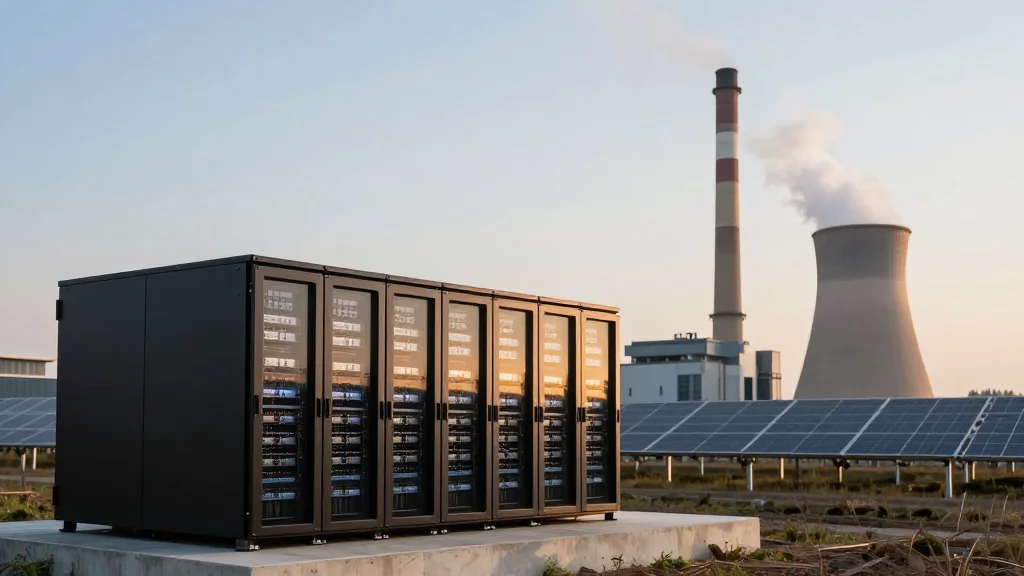
NV Energy Mulls Fossil‑Fuel Expansion to Power Data‑Center Boom

Companies Mentioned
Why It Matters
The NV Energy decision sits at the intersection of two powerful forces: the rapid expansion of AI‑driven data centers and the urgency of climate commitments. If the utility proceeds with fossil‑fuel projects, Nevada could miss its 2030 renewable target, weakening its reputation as a clean‑energy leader and potentially inviting federal scrutiny. Conversely, a failure to secure adequate power could drive data‑center developers to other states, eroding economic benefits tied to tax breaks and job creation. The case also serves as a bellwether for other jurisdictions grappling with similar load spikes. How Nevada balances reliability, cost, and decarbonization will inform policy choices in fast‑growing tech hubs across the country, from North Carolina to Texas, and could accelerate industry‑wide moves toward on‑site renewable generation or hybrid gas‑renewable solutions.
Key Takeaways
- •NV Energy may need three times Las Vegas’s current electricity load for new data centers.
- •State clean‑energy goal: 50% renewable power by 2030 could be jeopardized.
- •Shawn Elicegui highlighted unprecedented data‑center interest as the driver.
- •Switch data center operates on 1 GW of on‑site solar, showing a renewable alternative.
- •Legislators are weighing tighter regulations versus incentives to keep data centers in Nevada.
Pulse Analysis
NV Energy’s predicament underscores a structural mismatch between legacy grid planning and the emergent demand profile of AI‑intensive workloads. Traditional utilities design capacity expansions on decadal forecasts, assuming gradual growth in residential and commercial demand. Data centers, however, can add megawatts in a matter of months, driven by corporate AI strategies that are themselves subject to rapid shifts in cloud pricing and chip availability. This volatility forces utilities to either over‑build, risking stranded assets, or to lean on flexible, carbon‑intensive peakers.
Nevada’s unique policy mix—no corporate income tax, generous land‑use incentives, and a historically aggressive renewable agenda—has made it a magnet for the industry. The Switch example proves that on‑site renewables can meet the reliability needs of hyperscale facilities, but such projects require capital, land, and regulatory approvals that most operators lack. As a result, the default fallback remains natural gas, which offers dispatchability at a lower capital cost than building dedicated storage or large‑scale solar‑plus‑battery farms.
Looking ahead, the state’s regulatory commission will likely demand a detailed emissions accounting framework before green‑lighting any new fossil‑fuel plants. If NV Energy can demonstrate a credible pathway to integrate more on‑site renewables, demand‑response, and battery storage, it may avoid expanding its carbon footprint while still meeting data‑center needs. Failure to do so could trigger a policy backlash, prompting stricter siting rules or higher carbon‑pricing mechanisms that would reshape the economics of data‑center expansion not just in Nevada but across the nation.
NV Energy Mulls Fossil‑Fuel Expansion to Power Data‑Center Boom
Comments
Want to join the conversation?
Loading comments...