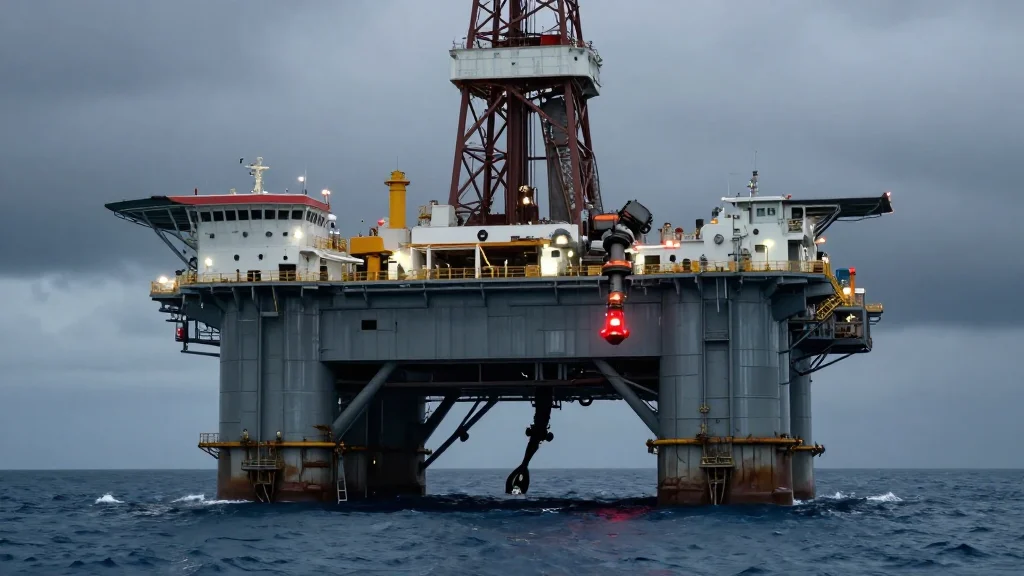
Odfjell Updates on Deepwater Rig that Dropped Its BOP
Why It Matters
The extended downtime trims Odfjell's deepwater drilling availability, potentially tightening supply in a market already constrained by high oil prices. It also underscores growing regulatory focus on BOP reliability across Europe’s offshore sector.
Key Takeaways
- •Odfjell's Deepsea Atlantic rig lost its blowout preventer
- •Repair timeline estimated at three to four months
- •Downtime reduces Odfjell's deepwater capacity by ~15%
- •Incident may trigger tighter European offshore safety reviews
Pulse Analysis
The loss of a blowout preventer on a deepwater rig is a red flag for the offshore industry, where BOPs serve as the final barrier against uncontrolled hydrocarbon releases. While such failures are rare, they attract intense scrutiny because the equipment must operate under extreme pressure, temperature, and corrosive conditions. Recent advances in BOP design and real‑time monitoring have improved reliability, yet the Deepsea Atlantic incident highlights that even leading operators can encounter unforeseen mechanical issues, prompting a reassessment of maintenance protocols and spare‑part logistics.
Odfjell Drilling’s estimate of a three‑to‑four‑month repair window reflects both the complexity of sourcing a replacement BOP and the need for rigorous testing before the rig can return to service. The outage temporarily removes roughly 15% of the company’s deepwater drilling capacity, a notable dip given the current bullish oil price environment. Investors are watching how Odfjell manages the cost implications, which could run into tens of millions of dollars when factoring in charter losses, repair expenses, and potential insurance deductibles. The firm’s proactive communication and alignment with classification societies aim to mitigate reputational risk and preserve client confidence.
Beyond Odfjell, the incident may accelerate regulatory momentum in the European Union, where authorities are tightening offshore safety standards after high‑profile accidents elsewhere. Enhanced inspection regimes, mandatory BOP performance data reporting, and stricter certification criteria could increase compliance costs for all deepwater operators. For the broader market, any prolonged reduction in drilling supply can tighten the balance between demand and output, supporting higher crude prices in the near term. Stakeholders—from investors to service providers—should monitor how the industry adapts its risk management and technology investments in response to this event.
Odfjell updates on deepwater rig that dropped its BOP
Comments
Want to join the conversation?
Loading comments...