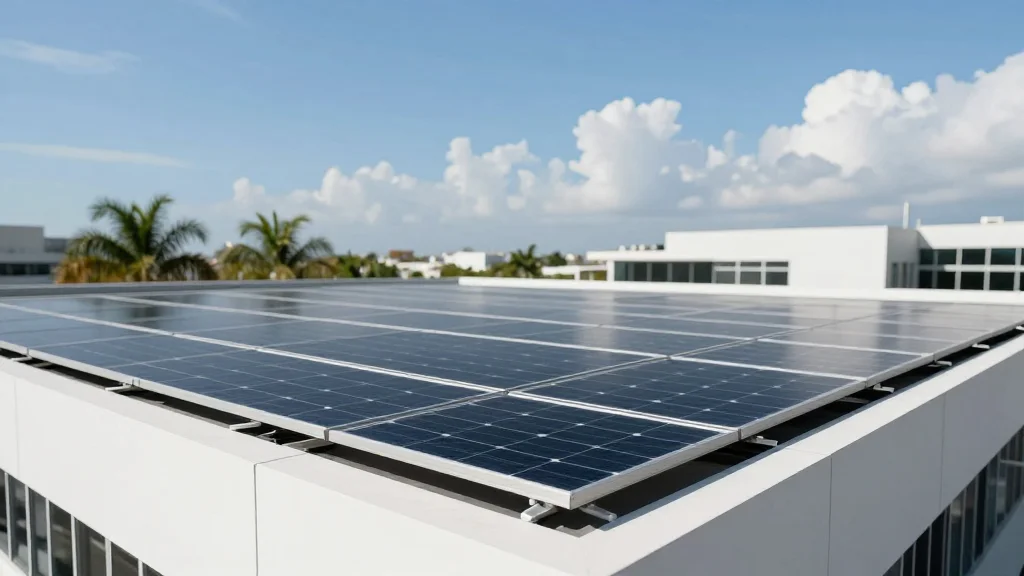
Odisha Governor Inaugurates 485 kWp Rooftop Solar Power Plant at Lok Bhavan
Why It Matters
The deployment demonstrates how government‑owned complexes can accelerate renewable adoption, reducing reliance on imported fuels and showcasing a replicable model for India’s net‑zero ambitions.
Key Takeaways
- •Lok Bhavan’s rooftop solar capacity now totals 635 kW
- •NBCC installed 485 kW across multiple campus buildings
- •Governor highlighted EV adoption and fuel blending to cut oil imports
- •Project aligns with PM’s Surya Ghar Yojana for low‑cost solar
- •Initiative moves Odisha toward net‑zero emissions
Pulse Analysis
India’s renewable energy drive has increasingly focused on rooftop solar as a low‑cost, scalable solution for both urban and institutional users. Central policies such as the Surya Ghar Yojana and state‑level subsidies have lowered capital barriers, encouraging public agencies to lead by example. Odisha, a state with abundant solar irradiance, has leveraged these incentives to showcase how government facilities can integrate clean power without compromising operational needs, reinforcing the national agenda of energy security and climate resilience.
The Lok Bhavan project illustrates this approach in practice. NBCC installed a 485 kW system across seven campus structures, including a 191 kW array in the Abhishek banquet hall and smaller installations in the garage, administrative block and residences. Combined with earlier installations, the complex now generates 635 kW, enough to offset a significant portion of its electricity demand and move the site toward its net‑zero target. By publicizing the capacity breakdown, the governor highlighted the tangible benefits of distributed generation—reduced grid load, lower utility bills, and a demonstrable commitment to sustainability for a high‑visibility government entity.
Beyond the immediate energy savings, the inauguration signals broader market implications. The governor’s emphasis on electric vehicles, ethanol blending (E20/E85), and flex‑fuel options underscores a holistic strategy to cut oil imports and diversify India’s energy mix. As more state governments replicate similar rooftop projects, demand for solar EPC services, financing models, and smart‑grid integration will rise. Stakeholders—from manufacturers to investors—should watch Odisha’s rollout as a bellwether for how policy, public procurement, and climate goals can converge to accelerate India’s transition to a low‑carbon economy.
Odisha Governor inaugurates 485 kWp rooftop solar power plant at Lok Bhavan
Comments
Want to join the conversation?
Loading comments...