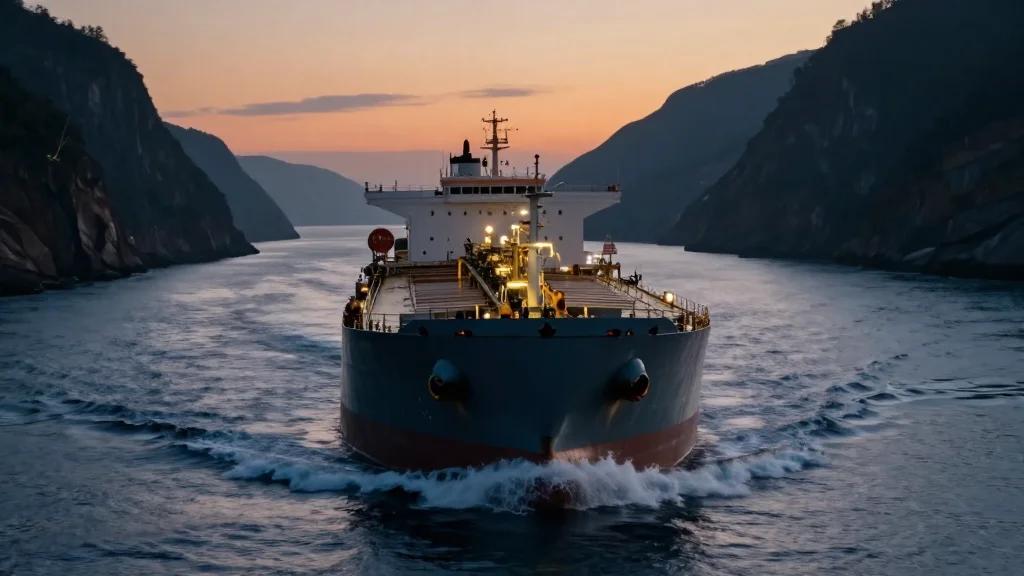
Oil and Gas Execs Don’t Expect Hormuz Traffic to Normalize Until August
Companies Mentioned
Why It Matters
Extended Hormuz bottlenecks will lift shipping costs and reshape U.S. supply dynamics, pressuring margins and influencing investment decisions across the energy sector.
Key Takeaways
- •79% expect Hormuz traffic normal by August at earliest
- •48% see high chance of disruption within five years
- •36% forecast shipping costs rise $2‑$4 per barrel post‑conflict
- •70% anticipate higher U.S. oil output in 2027 due to war
- •Baker Hughes assumes conflict lasts until June, strait reopens second half
Pulse Analysis
The dueling blockades by the United States and Iran have turned the Strait of Hormuz into a logistical choke point, prompting the Federal Reserve Bank of Dallas to poll 120 energy firms. The majority of respondents (79%) now project that normal traffic won’t resume until August at the earliest, with a sizable minority pushing the timeline to November. This consensus reflects not only the immediate military stalemate but also the broader uncertainty surrounding diplomatic negotiations, as Iran’s latest proposal to reopen the waterway remains unreceptive to U.S. demands.
Higher freight rates are the most immediate financial repercussion. Over a third of executives (36%) expect shipping costs to climb between $2 and $4 per barrel once hostilities subside, while another 23% foresee increases exceeding $6 per barrel. Those cost pressures feed directly into commodity pricing, eroding profit margins for refiners and downstream players. Simultaneously, 70% of surveyed firms anticipate a boost in U.S. crude output by 2027, positioning domestic production as a hedge against supply volatility from the Persian Gulf. This strategic pivot underscores how geopolitical risk can accelerate investment in alternative supply sources.
Looking ahead, nearly half of respondents (48%) deem further geopolitical disruptions “very likely” within the next five years, signaling that the Hormuz impasse may be a symptom of a longer‑term volatility cycle. Energy companies are therefore re‑evaluating risk management frameworks, from diversifying shipping routes to bolstering inventory buffers. Investors should monitor both diplomatic developments and the evolving cost structure, as prolonged uncertainty could reshape global oil pricing dynamics and influence capital allocation across the sector.
Oil and gas execs don’t expect Hormuz traffic to normalize until August
Comments
Want to join the conversation?
Loading comments...